
 EN
EN

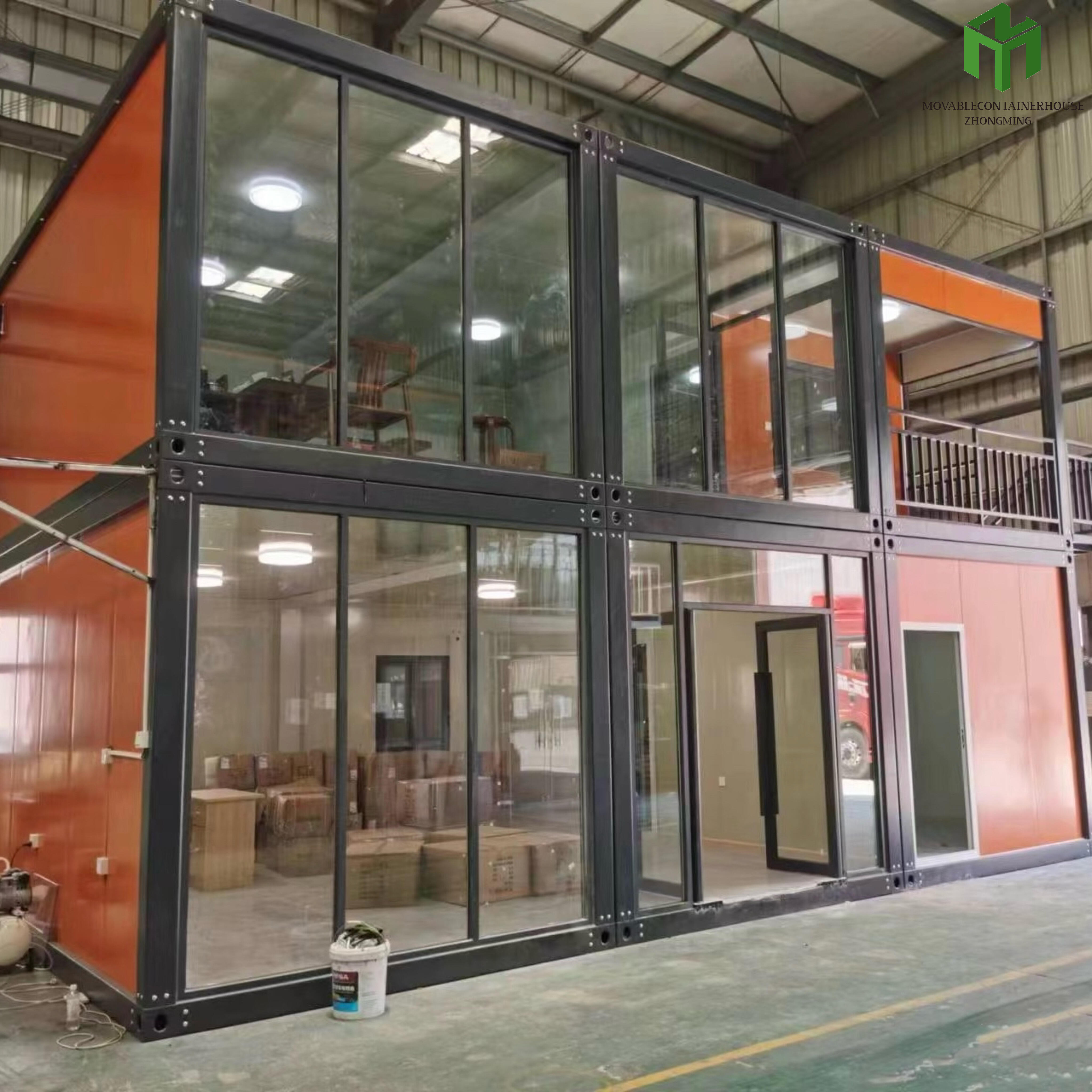
Familiile moderne explorează din ce în ce mai mult soluții inovatoare de locuire care combină accesibilitatea, durabilitatea și practicitatea. Casa container cu două niveluri a devenit o alternativă convingătoare față de metodele tradiționale de construcție, oferind avantaje unice pentru gospodăriile în creștere. Aceste structuri utilizează containere maritime reutilizate pentru a crea spații de locuit pe mai multe niveluri, care maximizează atât suprafața utilă, cât și eficiența verticală. În contextul creșterii prețurilor imobiliare și al preocupărilor legate de mediu, locuințele bazate pe containere oferă familiilor oportunitatea de a deveni proprietari, reducând în același timp impactul ecologic.
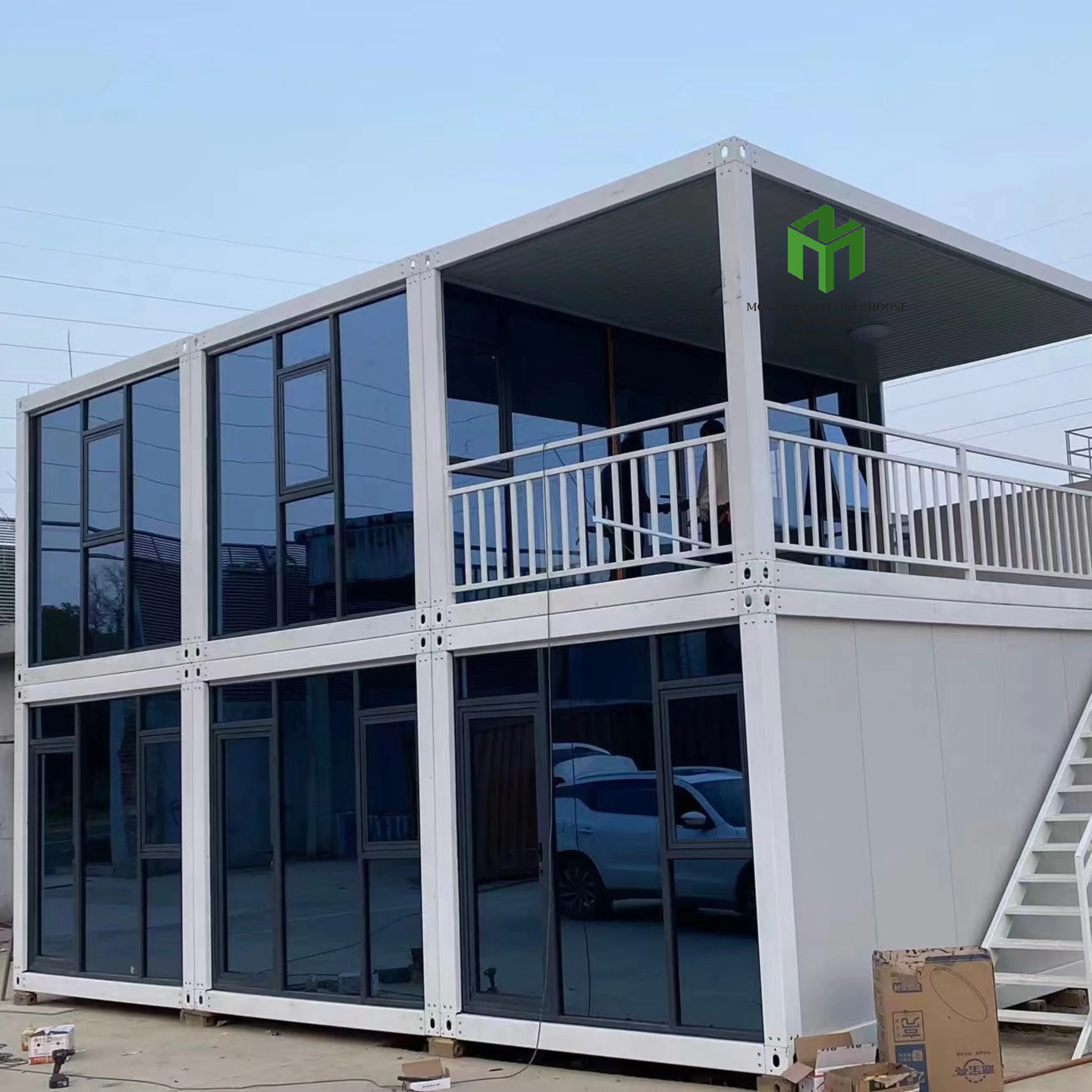
Conceptul de transformare a containerelor maritime industriale în spații rezidențiale a câștigat o importanță semnificativă în diverse piețe din întreaga lume. Familii care iau în considerare această opțiune de locuință beneficiază de timpi de construcție redusi, integritate structurală sporită și flexibilitatea de a-și personaliza mediul locuibil în funcție de nevoile specifice. Configurația casei pe 2 niveluri din container permite gospodăriilor să separe eficient spațiile private de cele comune, menținând în același timp o amprentă compactă a clădirii.
Avantajele locuirii în containere pe mai multe niveluri
Optimizarea spațiului și funcționalitate
Configurațiile cu două niveluri ale containerelor maximizează spațiul locuibil disponibil în limitele reduse ale terenului, fiind astfel deosebit de potrivite pentru mediile urbane unde costul terenurilor este ridicat. Abordarea verticală a designului permite familiilor să creeze zone distincte pentru diferite activități, parterul găzduind în mod obișnuit spații comune precum bucătăria, sala de mese și zona de zi. Nivelurile superioare pot include dormitoare, băi și spații private de lucru, oferind o separare naturală între funcțiile publice și private ale familiei.
Structurile container oferă o flexibilitate excepțională în planificarea amenajării interioare, deoarece pereții nepurtători pot fi modificați sau eliminați pentru a crea spații deschise. Această adaptabilitate se dovedește valoroasă pentru familiile care cresc și care ar putea avea nevoie să reconfigureze spațiile pe măsură ce copiii îmbătrânesc sau nevoile gospodăriei se schimbă. Caracterul modular al containerelor maritime permite și posibilități de extindere în viitor, permițând proprietarilor să adauge unități suplimentare orizontal sau vertical, pe măsură ce cerințele se modifică.
Eficiență costuri și gestionarea bugetului
Beneficiile financiare ale alegerii unei case din containere cu două niveluri depășesc economiile inițiale de construcție și includ costuri reduse pentru utilități și întreținere. Casele din containere au în mod tipic proprietăți superioare de izolare termică atunci când sunt modificate corespunzător, ceea ce duce la cheltuieli mai mici pentru încălzire și răcire pe parcursul anului. Construcția din oțel oferă o durabilitate excelentă față de elementele meteo, reducând costurile pe termen lung de întreținere și reparații comparativ cu materialele tradiționale de construcție.
Termenele de construcție pentru casele din containere sunt semnificativ mai scurte decât cele ale proiectelor imobiliare convenționale, permițând familiilor să se mute în noile lor locuințe mai devreme și evitând astfel cheltuielile prelungite pentru cazare temporară. Caracterul prefabricat al containerelor maritime presupune că o mare parte din lucrările structurale are loc în afara șantierului, minimizând întârzierile cauzate de vreme și reducând costurile cu forța de muncă asociate cu perioadele prelungite de construcție.
Considerații de proiectare pentru locuitul familial
Aranjamentul camerei și soluții pentru intimitate
Planificarea eficientă a unei case din containere cu două niveluri necesită o atenție deosebită la dinamica familială și nevoile de intimitate. Parterul servește în mod obișnuit ca spațiu principal de adunare, incluzând bucătărie, zonă pentru mese și living într-o configurație deschisă care promovează interacțiunea familială. Așezarea strategică a ferestrelor și ușilor sporește distribuția luminii naturale, păstrând în același timp un nivel adecvat de intimitate pentru utilizare rezidențială.
Proiectarea etajului se concentrează pe crearea unor spații confortabile pentru dormit și refugii private pentru membrii familiei. Dimensiunile containerelor se pretează în mod natural la amenajări eficiente ale dormitoarelor, iar printr-o planificare atentă se pot integra suită matrimonială, camere pentru copii și băi comune. Izolarea fonică între nivele devine deosebit de importantă în configurațiile de containere cu mai multe niveluri, pentru a asigura o conviețuire liniștită între membrii familiei care au programe diferite.
Caracteristici de siguranță și integritate structurală
Modern casa din container cu două étaje proiectele includ sisteme complete de siguranță, cum ar fi instalarea corespunzătoare a scărilor, planificarea ieșirilor de urgență și considerente privind prevenirea incendiilor. Construcția din containere metalice oferă avantaje structurale inerente, asigurând o rezistență superioară la activitatea seismică, vânturile puternice și alte dezastre naturale, comparativ cu metodele tradiționale de construcție în cadre.
Ingineria profesională asigură o susținere corectă a fundației pentru configurațiile multi-nivel ale containerelor, în timp ce conformitatea cu normele de construcții abordează integrarea sistemelor electrice, de canalizare și HVAC. Aceste considerente de siguranță sunt deosebit de importante pentru familiile cu copii mici, unde balustradele sigure, elementele de siguranță pentru copii și ieșirile de urgență adecvate devin elemente esențiale ale proiectării.
Impactul asupra mediului și sustenabilitatea
Reciclarea și conservarea resurselor
Beneficiile de mediu ale construcției unei case din containere cu două niveluri depășesc cu mult simpla reciclare a containerelor maritime. Fiecare container reutilizat reprezintă o conservare semnificativă a resurselor, eliminând necesitatea a mii de kilograme de materiale de construcție tradiționale și prevenind deșeurile industriale să ajungă la gropile de gunoi. Această abordare bazată pe reciclare este în concordanță cu conștientizarea tot mai mare privind mediul înconjurător, printre familiile care caută soluții de trai durabile.
Construcția unei case din containere generează de obicei mai puține deșeuri de construcție în comparație cu metodele tradiționale de construcție, deoarece măsurătorile precise și prefabricarea reduc tăierea excesivă a materialelor și necesitatea eliminării acestora. Construcția din oțel oferă, de asemenea, o reciclare excelentă la finalul duratei utile de viață a structurii, creând un ciclu de sustenabilitate închis care beneficiază de sănătatea pe termen lung a mediului.
Eficiență energetică și integrare a tehnologiilor verzi
Designurile moderne de case din containere cu două etaje pot integra ușor sisteme de energie regenerabilă, aparate eficiente din punct de vedere energetic și tehnologii pentru casă inteligentă, care reduc impactul asupra mediului în timp ce scad costurile utilităților. Instalarea panourilor solare pe acoperișurile containerelor se dovedește deosebit de eficientă datorită suprafeței plate și rezistente oferite de containerele maritime. De asemenea, pot fi integrate sisteme de colectare a apei de ploaie pentru a sprijini practicile durabile de utilizare a apei.
Amprenta redusă a caselor din containere promovează în mod natural conservarea energiei prin necesaruri mai mici de încălzire și răcire. Amplasarea strategică a ferestrelor, izolația corespunzătoare și proiectarea eficientă a sistemelor HVAC lucrează împreună pentru a minimiza consumul de energie, menținând totodată condiții confortabile de locuit pentru membrii familiei pe parcursul variațiilor sezoniere.
Considerații practice pentru implementarea în familie
Reglementări privind zonarea și autorizațiile de construcție
Familii care iau în considerare o casă din containere cu două etaje trebuie să navigheze printre reglementările locale de zonare și cerințele privind autorizațiile de construcție, care variază semnificativ între diferite jurisdicții. Unele municipalități au adoptat locuințele din containere ca soluții inovatoare de locuințe accesibile, în timp ce altele mențin politici restrictive care pot limita sau interzice astfel de construcții. Consultarea timpurie a departamentelor locale de urbanism ajută la identificarea eventualelor obstacole regulate și a cerințelor de conformitate.
Conformitatea cu normele de construcție pentru casele din containere necesită adesea servicii profesionale de arhitectură și inginerie pentru a garanta că modificările structurale respectă standardele de siguranță pentru locuințe. Aceste cerințe includ proiectarea corectă a fundației, instalarea sistemului electric, integrarea instalațiilor sanitare și măsuri de prevenire a incendiilor care să fie în conformitate cu normele locale de construcții rezidențiale și cu cerințele asigurărilor.
Considerente privind finanțarea și asigurarea
Finanțarea tradițională prin ipotecă pentru proiecte de case din containere în două nivele poate necesita creditorii specializați, familiarizați cu metodele alternative de construcție, deoarece unele instituții financiare ezită să finanțeze proiecte de locuințe netraditionale. Familii ar trebui să cerceteze opțiunile de credit pentru construcție, programele de finanțare alternative și creditorii experimentați cu proiecte de case din containere pentru a asigura finanțarea adecrată pentru obiectivele lor rezidențiale.
Asigurarea pentru casele din containere necesită o evaluare atentă a termenilor poliței și a limitărilor de acoperire, deoarece unele polițe standard de asigurare pentru proprietăți rezidențiale s-ar putea să nu abordeze corespunzător aspectele unice ale construcției din containere. Furnizorii specializați de asigurări oferă adesea opțiuni mai bune de acoperire și o înțelegere mai profundă a riscurilor și beneficiilor asociate cu casele din containere, asigurând o protecție adecvată pentru investițiile familiei.
Valoare pe Termen Lung și Considerente de Piață
Valoarea Proprietății și Potențialul de Revânzare
Piața de reședere pentru proprietăți din case container cu două etaje continuă să evolueze pe măsură ce acceptul consumatorilor crește și tot mai mulți cumpărători recunosc beneficiile soluțiilor alternative de locuire. Proprietățile din piețe progresiste, cu o conștientizare puternică a aspectelor de mediu și cu provocări legate de accesibilitatea locuințelor, tind să înregistreze un potențial mai mare de apreciere pentru casele container bine concepute. Proiectarea profesională și calitatea construcției influențează semnificativ valoarea pe termen lung și vandabilitatea proprietății.
Cercetările de piață indică faptul că casele container care beneficiază de finisaje de înaltă calitate, sisteme eficiente energetic și elemente de design gândite atent obțin valori superioare la revânzare comparativ cu transformările de bază. Familille care investesc în locuințe container ar trebui să dea prioritate serviciilor de proiectare profesionale și unei construcții de calitate pentru a-și proteja interesele financiare pe termen lung, în timp ce beneficiază imediat de avantajele soluțiilor inovatoare de locuire.
Factori de Păstrare și Longevitate
Întreținerea corespunăta a unei case din containere în două nivele se concentreează în principal pe protejarea suprafețelor din oțel împotriva coroziunii și asigurarea integrității structurale pe termen lung. Inspecția și întreținerea regulată a învelișurilor exterioare, scurgerea corespunătoare în jurul fundațiilor și intervenția rapidă în cazul oricărei infiltrări de umiditate ajută la păstrarea structurii containerului pentru decenii de serviciu fiabil.
Originea industrială a containerelor de transport implică faptul că sunt proiectate pentru medii marine aspre și utilizare intensivă, oferind avantaje inerente de durabilitate față de materialele tradiționale de construcție rezidențială. Prin aplicarea unor practici corespunzătoare de întreținere, casele din containere pot oferi locuințe fiabile pentru familii pe parcerea mai multor decenii, menținând standardele de soliditate structurală și confort locuibil.
Întrebări frecvente
Cât costă o casă din containere în două nivele comparativ cu construcția tradițională
Costul unei case din containere cu două etaje se situează în mod tipic între 60-80% din costurile construcțiilor tradiționale, în funcție de locație, finisaje și gradul de personalizare. Transformările de bază ale containerelor încep de la aproximativ 100-150 dolari pe metru pătrat, în timp ce proiectele personalizate de lux pot ajunge la 200-250 dolari pe metru pătrat. Aceste costuri includ achiziția containerului, modificările, lucrările de fundație și instalarea profesională, fiind semnificativ mai accesibile decât casele tradiționale similare în majoritatea piețelor.
Care sunt limitările de spațiu într-o casă din containere cu două etaje
Containerii standard de transport măsoară 8 picioare lățime și 8,5 picioare înălțime în interior, ceea ce creează anumite constrângeri spațiale care necesită soluții creative de proiectare. Totuși, se pot combina mai mulți containeri orizontal sau vertical pentru a crea spații locuibile mai mari, iar modificările interioare pot elimina pereții pentru a obține planuri deschise. Configurațiile cu două niveluri oferă în mod tipic între 320 și 640 de metri pătrați pe nivel, în funcție de dimensiunea containerului și opțiunile de configurare.
Sunt casele din containere potrivite pentru familiile cu copii
O casă din containere cu două niveluri, bine proiectată, poate oferi o locuință excelentă pentru familie, cu elemente de siguranță adecvate, amenajarea spațiilor corespunzătoare și modificări prietenoase pentru copii. Aspectele cheie de luat în considerare includ o scară sigură, spațiu suficient în dormitoarele pentru copii, izolație corespunzătoare pentru controlul zgomotului și dotări sigure pentru copii în toată casa. Mulți părinți apreciază faptul că locuințele din containere oferă copiilor oportunități unice de a învăța despre sustenabilitate și soluții inovatoare de trai.
Ce autorizații sunt necesare pentru construirea unei case din containere cu două etaje
Cerințele privind autorizațiile de construcție pentru o casă din containere cu două niveluri variază în funcție de locație, dar în mod tipic includ autorizații pentru construcții rezidențiale, autorizații electrice, autorizații pentru instalații sanitare și autorizații pentru sisteme mecanice. Unele autorități locale pot solicita aprobări suplimentare pentru metode alternative de construcție sau autorizații speciale pentru locuințe din containere. Consultarea unui specialist din departamentul local de urbanism la începutul procesului de planificare ajută la identificarea tuturor autorizațiilor necesare și asigură conformitatea cu reglementările locale.
Cuprins
- Avantajele locuirii în containere pe mai multe niveluri
- Considerații de proiectare pentru locuitul familial
- Impactul asupra mediului și sustenabilitatea
- Considerații practice pentru implementarea în familie
- Valoare pe Termen Lung și Considerente de Piață
-
Întrebări frecvente
- Cât costă o casă din containere în două nivele comparativ cu construcția tradițională
- Care sunt limitările de spațiu într-o casă din containere cu două etaje
- Sunt casele din containere potrivite pentru familiile cu copii
- Ce autorizații sunt necesare pentru construirea unei case din containere cu două etaje