
 EN
EN

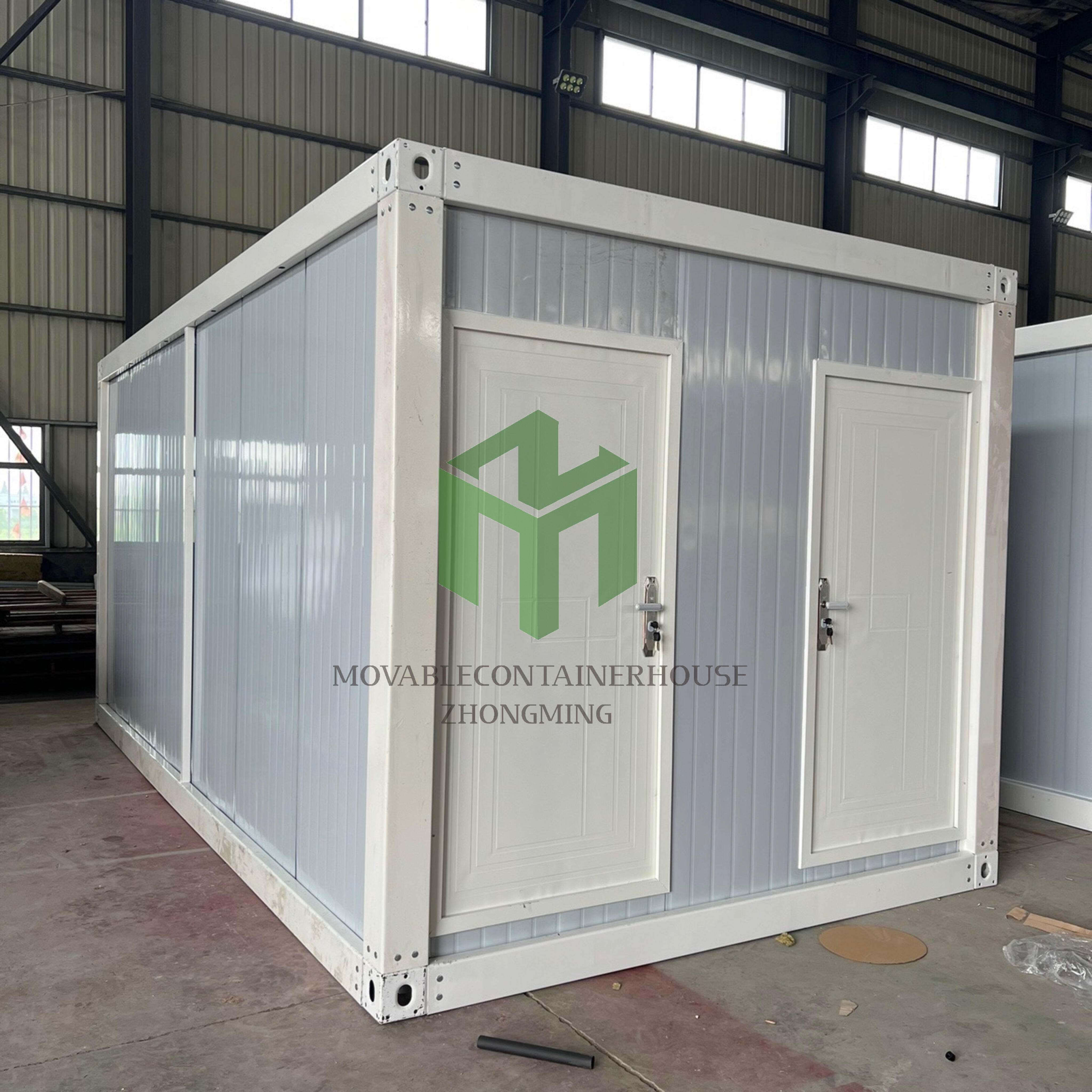
Растущая озабоченность вопросами экологической устойчивости побуждает многих домовладельцев искать альтернативные решения для жилья, которые минимизируют их воздействие на окружающую среду. Дом из контейнера представляет собой один из самых инновационных и экологически осознанных подходов к современному проживанию. Эти переоборудованные морские контейнеры предлагают уникальное сочетание доступности, долговечности и ответственного отношения к окружающей среде, которое традиционным строительным методам трудно превзойти. По мере того как изменение климата продолжает ставить под сомнение традиционные методы строительства, движение за дома из контейнеров становится жизнеспособным решением для тех, кто стремится сократить своё воздействие на окружающую среду, сохраняя при этом комфортный уровень жизни.

Сокращение строительных отходов и расхода материалов
Снижение потребности в сырьевых материалах
Традиционное строительство домов создает значительные отходы и требует больших объемов сырья, что способствует вырубке лесов и истощению ресурсов. Дом из контейнера значительно снижает нагрузку на окружающую среду за счет использования существующих стальных конструкций, которые в противном случае оказались бы на свалках. Повторное использование контейнеров устраняет необходимость в древесине, бетонных блоках и других строительных материалах, обычно требуемых для традиционного жилья. Такой подход позволяет сохранять природные ресурсы, одновременно обеспечивая прочный фундамент для устойчивых жилых пространств.
Стальной каркас контейнерного дома требует минимальной дополнительной конструктивной поддержки, что снижает общий расход материалов примерно на 60–80 % по сравнению с традиционными методами строительства. Это значительное сокращение использования материалов приводит к меньшему воздействию на окружающую среду на протяжении всего процесса строительства. Кроме того, стандартизированные размеры морских контейнеров упрощают процесс строительства, сокращая отходы, возникающие при раскрое и подгонке материалов по индивидуальным размерам.
Устранение строительного мусора
Строительные площадки для традиционных домов обычно производят тонны отходов, включая излишки пиломатериалов, бетона, гипсокартона и упаковочных материалов. Процесс строительства домов из контейнеров практически устраняет эти отходы за счёт использования уже существующих конструкций, требующих лишь целенаправленных изменений. Точное планирование, необходимое при модификации контейнеров, обеспечивает эффективное использование материалов с минимальным количеством обрезков или избыточных запасов.
Модульная конструкция контейнерных зданий позволяет проводить модификации на заводе, где отходы можно перерабатывать более эффективно, чем на традиционных строительных площадках. Контролируемая среда обеспечивает лучшее управление материалами и снижает воздействие на окружающую среду, связанное с утилизацией строительного мусора. В результате получается более чистый строительный процесс, соответствующий принципам устойчивого строительства.
Энергоэффективность и снижение углеродного следа
Улучшенные теплоизоляционные свойства
Современные проекты домов из контейнеров включают передовые системы теплоизоляции, которые зачастую превосходят тепловые характеристики обычных домов. Стальная конструкция обеспечивает отличную прочность, одновременно позволяя полностью установить теплоизоляцию, что сводит к минимуму теплопередачу. Правильно выполненная изоляция контейнерного дома может обеспечить значения термического сопротивления (R-value), сопоставимые или лучше, чем у традиционных каркасных домов, что приводит к значительной экономии энергии на отопление и охлаждение.
Компактная конструкция большинства домов из контейнеров естественным образом уменьшает объём пространства, требующего климат-контроля, что приводит к снижению энергопотребления. Стратегическое размещение окон и системы вентиляции в домах из контейнеров могут максимизировать естественное освещение и циркуляцию воздуха, дополнительно сокращая потребность в искусственном освещении и механической вентиляции. Эти элементы дизайна способствуют значительно меньшему углеродному следу по сравнению с более крупными домами, построенными традиционным способом.
Интеграция возобновляемой энергии
Характерная плоская крыша контейнерный дом предоставляет идеальную платформу для установки солнечных панелей, делая интеграцию возобновляемых источников энергии практичной и экономически выгодной. Конструкционная прочность стальных контейнеров легко выдерживает солнечные батареи без необходимости дополнительного усиления, в отличие от многих традиционных кровельных систем, которые требуют значительной модификации для размещения систем возобновляемой энергии.
Сниженные энергетические потребности домов из контейнеров делают их отличным выбором для автономного проживания, полностью обеспечиваемого возобновляемыми источниками энергии. Системы аккумуляторных батарей могут легче удовлетворять энергетические потребности таких эффективных домов, обеспечивая полную независимость от генерации электроэнергии на основе ископаемого топлива. Эта возможность позволяет рассматривать жизнь в домах из контейнеров как путь к углеродно-нейтральным или даже углеродно-отрицательным жилищным решениям.
Системы сохранения и управления водными ресурсами
Оптимизация сбора дождевой воды
Прямоугольная форма и металлическая кровля домов из контейнеров создают идеальные условия для систем сбора дождевой воды. Гладкая, непроницаемая поверхность крыш контейнеров эффективно направляет дождевую воду в системы сбора с минимальными потерями на поглощение или испарение. Эта собранная вода может использоваться для бытовых нужд, систем орошения и аварийных запасов воды, снижая зависимость от муниципальных водоснабжающих систем и подземных водных ресурсов.
Сообщества домов из контейнеров часто используют общие системы сбора дождевой воды, которые эффективно обслуживают несколько блоков. Стандартизированные размеры контейнеров облегчают проектирование интегрированных систем водоснабжения, способных обрабатывать и распределять собранную дождевую воду по жилым комплексам. Эти системы могут включать компоненты фильтрации и очистки, делающие дождевую воду пригодной для всех бытовых нужд, включая питьевые цели.
Внедрение рециркуляции серой воды
Компактные сантехнические системы в домах из контейнеров делают рециркуляцию серой воды практичной и экономически выгодной. Серую воду из раковин, душевых и стиральных машин можно легко направлять через системы очистки для повторного использования на полив или сливы в унитазах. Такой подход к рециркуляции позволяет сократить общее потребление воды на 30–50 % по сравнению с традиционными домами, не имеющими систем рециркуляции.
Продвинутые проекты домов из контейнеров включают встроенные системы очистки серых вод, которые обрабатывают сточные воды на месте, устраняя необходимость подключения к централизованным системам очистки сточных вод. Эти децентрализованные системы снижают экологическое воздействие, связанное с транспортировкой и очисткой сточных вод, обеспечивая устойчивое управление водными ресурсами в удалённых или автономных районах.
Эффективность использования земли и сохранение экосистем
Строительство с меньшим занимаемым пространством
Компактная концепция проектирования, присущая строительству домов из контейнеров, способствует эффективному использованию земли, сохраняя природные экосистемы и сельскохозяйственные угодья. Типичный дом из контейнера требует значительно меньшей площади по сравнению с обычными жилыми домами, что позволяет достигать более высокой плотности населения без расширения городской застройки. Эффективное использование земли помогает защитить места обитания диких животных, болота и плодородные почвы от давления жилищного строительства.
Развитие домов из контейнеров может использовать ранее освоенные или загрязненные участки, которые могут быть непригодны для традиционных методов строительства. Модульная природа этих конструкций позволяет творчески использовать площадки, сохраняя существующую растительность и природные особенности местности. Такой подход обеспечивает застройку с сохранением экосистемных функций и биоразнообразия в жилых районах.
Обратимое воздействие застройки
В отличие от традиционного строительства, которое необратимо изменяет характеристики земли, установка домов из контейнеров может проектироваться с минимальным воздействием на участок и возможностью демонтажа. Фундаменты, необходимые для контейнерных домов, как правило, менее масштабны по сравнению с фундаментами обычных домов, зачастую используются свайные или плитные системы, которые сохраняют структуру почвы и режимы дренажа. Такой обратимый подход к застройке гарантирует, что земля может вернуться в естественное состояние, если изменятся потребности в жилье.
Возможность перемещения многих проектов домов из контейнеров позволяет гибко использовать землю в ответ на изменяющиеся природные условия или потребности сообщества. Эта гибкость снижает необходимость освоения новых территорий, поскольку существующие контейнерные дома можно переместить на более подходящие участки по мере изменения обстоятельств.
Сокращение отходов за счёт адаптивного повторного использования
Продление срока эксплуатации контейнеров
Срок службы морских контейнеров обычно составляет 15–20 лет в транспортных целях до вывода из грузоперевозок. Перепрофилирование таких контейнеров в жилые строения продлевает их полезный срок эксплуатации на десятилетия, предотвращая преждевременную утилизацию и максимизируя экологические затраты, понесённые при первоначальном производстве. Один дом из контейнера может служить в качестве жилья 50–100 лет, значительно увеличивая отдачу от экологических издержек производства стали.
Прочность стальных конструкций обеспечивает устойчивость контейнерных домов к воздействию окружающей среды, которое со временем может привести к разрушению других строительных материалов. Такая долговечность снижает необходимость в частых капитальных ремонтах или заменах, что в свою очередь уменьшает образование строительных отходов и расход дополнительных ресурсов. Прочный характер контейнерного строительства обеспечивает устойчивую основу для длительного жилищного использования с минимальными требованиями к обслуживанию.
Интеграция циркулярной экономики
Строительство контейнерных домов является примером принципов циклической экономики, превращая отходы в ценные жилищные активы. Этот подход демонстрирует, как потоки промышленных отходов можно перенаправить на продуктивное использование, способствуя достижению целей экологической и экономической устойчивости. Успешная реализация проектов по строительству контейнерных домов стимулирует аналогичные подходы к адаптивному повторному использованию в других отраслях и потоках материалов.
Модульная конструкция контейнерных домов облегчает их будущую разборку и повторное использование компонентов, когда здания достигнут конца срока своей эксплуатации. Стальные компоненты могут быть переработаны в новые контейнеры или другие стальные изделия, что поддерживает циклический поток материалов и предотвращает накопление отходов. Планирование утилизации обеспечивает вклад контейнерных домов в устойчивые материальные циклы на протяжении всего жизненного цикла.
Секвестрация углерода и интеграция экологичного строительства
Системы озеленённых крыш и стен
Конструкционная прочность контейнерных домов позволяет внедрять системы озеленённых крыш, которые обеспечивают секвестрацию углерода и одновременно улучшают эксплуатационные характеристики зданий. Такие зелёные крыши могут поддерживать местную растительность, поглощающую углерод из атмосферы, а также обеспечивать естественную теплоизоляцию и управление ливневыми водами. Стальной каркас легко выдерживает дополнительный вес почвы и растительности без необходимости в конструктивных изменениях.
Системы вертикальных садов на стенах контейнерных домов создают дополнительные возможности для поглощения углерода, одновременно производя продукты питания или декоративные растения. Эти живые стены улучшают качество воздуха вокруг дома и снижают эффект городских «тепловых островов», характерный для плотной застройки. Сочетание озеленения кровли и стен может значительно компенсировать углеродный след строительства и эксплуатации контейнерных домов.
Интеграция пермакультуры
Комплексы контейнерных домов зачастую включают принципы проектирования пермакультуры, создающие продуктивные ландшафты вокруг жилых строений. Эти системы продовольственных лесов и садов обеспечивают поглощение углерода и одновременно производят свежие продукты для жильцов. Компактные размеры контейнерных домов позволяют использовать больше земли для продуктивного озеленения по сравнению с более крупными традиционными домами на аналогичных участках.
Высота, обеспечиваемая конструкцией контейнерного дома, позволяет применять творческие подходы к ландшафтному дизайну, что максимизирует пространство для выращивания и разнообразие экосистем. Под контейнерными домами можно разместить корнеплоды, культивирование грибов или системы сбора дождевой воды, способствующие достижению общих целей устойчивости. Такой трёхмерный подход к оптимизации использования земли увеличивает экологические преимущества сообществ контейнерных домов.
Часто задаваемые вопросы
Насколько контейнерный дом снижает воздействие на окружающую среду по сравнению с традиционными домами
Дом из контейнеров обычно снижает воздействие на окружающую среду на 60–80% по сравнению с традиционными методами строительства. Это снижение включает меньшее потребление материалов, уменьшение строительных отходов, снижение энергопотребления и более низкий углеродный след на протяжении всего жизненного цикла здания. Конкретное влияние может варьироваться в зависимости от архитектурных решений, систем утепления и интеграции возобновляемых источников энергии, однако дома из контейнеров стабильно демонстрируют превосходные экологические показатели по различным критериям устойчивости.
Могут ли дома из контейнеров достичь такого же уровня энергоэффективности, как и традиционные экологичные здания
Современные контейнерные дома могут превосходить по энергоэффективности многие традиционные экологически чистые здания благодаря передовым системам теплоизоляции, продуманному дизайну и интеграции возобновляемых источников энергии. Компактные размеры естественным образом снижают потребность в энергии, а стальной каркас позволяет использовать высокоэффективные изоляционные материалы, обеспечивающие отличные тепловые характеристики. В сочетании с солнечными панелями и энергоэффективной техникой контейнерные дома зачастую достигают нулевого или положительного энергобаланса.
Что происходит с контейнерным домом по окончании срока его полезного использования
По окончании срока эксплуатации в жилом строительстве дом из контейнеров может быть разобран, а его стальные компоненты переработаны в новые изделия, что соответствует принципам циклической экономики. Модульная конструкция облегчает разделение компонентов и восстановление материалов, обеспечивая сохранение ценности первоначальных затрат на контейнер за счёт переработки. Планирование утилизации делает дома из контейнеров по-настоящему устойчивым вариантом жилья с минимальным образованием отходов.
Подходят ли дома из контейнеров для всех климатических условий и окружающей среды
Контейнерные дома могут быть адаптированы практически для любого климата за счёт соответствующей теплоизоляции, вентиляции и конструктивных изменений. Стальная конструкция обеспечивает высокую долговечность в экстремальных погодных условиях, а правильная система утепления позволяет комфортно жить как в жарком, так и в холодном климате. Современные проекты контейнерных домов включают пассивное солнечное отопление, системы естественного охлаждения и климатические особенности, оптимизирующие работу в местных природных условиях с сохранением преимуществ устойчивости.
Содержание
- Сокращение строительных отходов и расхода материалов
- Энергоэффективность и снижение углеродного следа
- Системы сохранения и управления водными ресурсами
- Эффективность использования земли и сохранение экосистем
- Сокращение отходов за счёт адаптивного повторного использования
- Секвестрация углерода и интеграция экологичного строительства
-
Часто задаваемые вопросы
- Насколько контейнерный дом снижает воздействие на окружающую среду по сравнению с традиционными домами
- Могут ли дома из контейнеров достичь такого же уровня энергоэффективности, как и традиционные экологичные здания
- Что происходит с контейнерным домом по окончании срока его полезного использования
- Подходят ли дома из контейнеров для всех климатических условий и окружающей среды