
 EN
EN

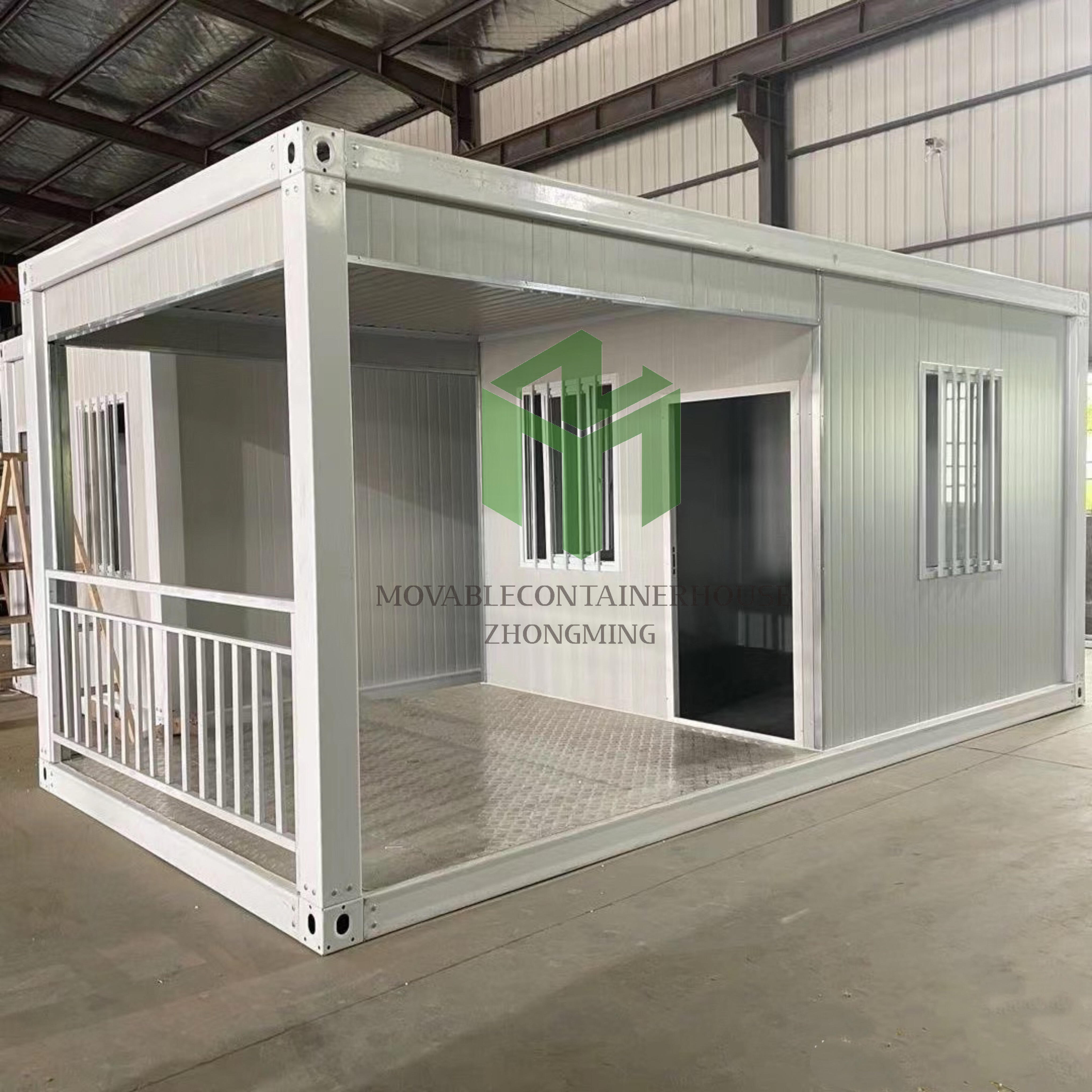
The growing demand for sustainable housing solutions has positioned the china container house as a revolutionary approach to modern construction. These innovative structures represent a significant shift from traditional building methods, offering environmentally conscious alternatives that address both housing shortages and ecological concerns. The concept of repurposing shipping containers into livable spaces has gained tremendous momentum across China, where rapid urbanization and environmental challenges require creative solutions.

The transformation of industrial containers into residential and commercial spaces demonstrates remarkable engineering ingenuity. Each china container house begins its journey as a steel shipping container, originally designed to withstand harsh maritime conditions and transport goods across oceans. This inherent durability provides an excellent foundation for creating secure, weather-resistant homes that can endure various environmental challenges while maintaining structural integrity over decades.
Chinese manufacturers have pioneered advanced techniques in container modification, incorporating sophisticated insulation systems, climate control mechanisms, and modern amenities into these compact living spaces. The standardized dimensions of shipping containers create predictable construction parameters, allowing for streamlined manufacturing processes and consistent quality control across multiple units.
Environmental Benefits and Resource Efficiency
Carbon Footprint Reduction Through Container Reuse
The environmental advantages of china container house construction begin with the fundamental principle of material reuse. Rather than allowing decommissioned shipping containers to accumulate in ports or require energy-intensive recycling processes, these structures gain new life as residential buildings. This approach significantly reduces the carbon footprint associated with traditional construction materials like concrete, steel, and lumber.
Manufacturing new construction materials requires substantial energy input and generates considerable greenhouse gas emissions. By repurposing existing containers, the china container house industry eliminates much of this environmental impact. Studies indicate that container house construction can reduce material-related emissions by up to seventy percent compared to conventional building methods, making these structures attractive options for environmentally conscious developers and homeowners.
The steel construction of containers also provides excellent recyclability at the end of their useful life as housing units. Unlike traditional buildings that often generate significant demolition waste, container houses can be dismantled and their components recycled or repurposed for future projects, creating a circular economy within the construction industry.
Water and Energy Conservation Features
Modern china container house designs incorporate advanced water conservation systems that maximize efficiency while minimizing waste. Greywater recycling systems capture and treat water from sinks, showers, and washing machines for reuse in irrigation and toilet flushing. These closed-loop systems can reduce household water consumption by thirty to forty percent, contributing to overall sustainability goals.
Energy efficiency represents another crucial aspect of sustainable container housing. The compact size of most china container house units naturally requires less energy for heating and cooling compared to larger traditional homes. Advanced insulation techniques, including spray foam applications and thermal barriers, help maintain comfortable interior temperatures while minimizing energy consumption.
Solar panel installations have become increasingly common on container house rooftops, taking advantage of the flat, accessible surfaces that containers provide. These renewable energy systems can often generate sufficient electricity to power entire households, with excess energy potentially fed back into local electrical grids. Battery storage systems complement solar installations, ensuring consistent power availability even during cloudy periods or nighttime hours.
Manufacturing Innovation and Quality Control
Advanced Production Techniques in Chinese Facilities
Chinese manufacturers have established sophisticated production facilities specifically designed for china container house fabrication. These facilities employ computer-controlled cutting equipment, automated welding systems, and precision assembly lines that ensure consistent quality across multiple units. The standardized nature of shipping containers allows for efficient mass production while maintaining customization options for specific client requirements.
Quality control protocols in leading Chinese facilities involve multiple inspection stages throughout the manufacturing process. Each china container house undergoes structural integrity testing, electrical system verification, and insulation performance evaluation before shipment. These comprehensive quality assurance measures help ensure that finished products meet international building standards and provide reliable long-term performance.
The integration of Building Information Modeling software has revolutionized container house design and production. Engineers can create detailed virtual models that optimize space utilization, structural modifications, and system integration before physical construction begins. This technology reduces waste, minimizes errors, and accelerates production timelines while maintaining high quality standards.
Material Selection and Sustainability Standards
Selecting appropriate materials for china container house construction requires careful consideration of environmental impact, durability, and performance characteristics. Chinese manufacturers increasingly prioritize sustainable materials that complement the environmental benefits of container reuse. Low-VOC paints, formaldehyde-free insulation, and sustainably sourced wood products are becoming standard specifications in quality container house production.
Certification programs have emerged to validate the sustainability credentials of container housing manufacturers. These programs evaluate manufacturing processes, material selection, energy efficiency measures, and overall environmental impact. Leading Chinese producers actively pursue these certifications to demonstrate their commitment to sustainable construction practices and meet growing market demand for verified green building solutions.
The development of specialized coatings and treatments for container exteriors has extended the lifespan of these structures while maintaining their environmental benefits. Advanced corrosion-resistant finishes protect steel surfaces from weather-related deterioration, reducing maintenance requirements and preserving the structural integrity of each china container house over decades of use.
Market Applications and Versatility
Residential Housing Solutions
The residential market represents the largest application segment for china container house products, addressing diverse housing needs across multiple demographics. Young professionals appreciate the modern aesthetic and affordable entry costs associated with container living, while families value the customization potential and environmental benefits. Single-container units provide compact living solutions for individuals, while multi-container configurations create spacious family homes with multiple bedrooms, bathrooms, and common areas.
Rural applications of china container house technology have proven particularly successful in addressing housing shortages in developing regions. The portability of container units allows for rapid deployment in remote locations where traditional construction would be logistically challenging or economically unfeasible. These structures can provide immediate housing relief in disaster-affected areas or serve as permanent homes in communities lacking adequate infrastructure.
Urban infill projects increasingly incorporate container houses as affordable housing solutions in high-density metropolitan areas. The compact footprint of these units allows developers to maximize land utilization while providing quality housing options at lower price points than conventional construction. City planners appreciate the flexibility that container housing offers for addressing changing demographic needs and urban development patterns.
Commercial and Institutional Uses
Beyond residential applications, china container house designs have found success in various commercial and institutional settings. Retail establishments benefit from the mobility and cost-effectiveness of container construction, with many businesses using these structures for pop-up stores, farmers' markets, and seasonal retail locations. The industrial aesthetic of containers appeals to modern commercial design trends while providing practical benefits like rapid deployment and easy relocation.
Educational institutions have embraced container classrooms as temporary or permanent solutions for space constraints. These structures can be quickly installed on school grounds to accommodate growing enrollment or serve as specialized learning environments for vocational programs. The durability and security features of china container house construction make these units particularly suitable for educational applications.
Healthcare providers utilize container-based medical facilities for remote or underserved areas where traditional medical infrastructure is lacking. Mobile medical clinics housed in modified containers can bring essential healthcare services to rural communities, while larger container complexes serve as field hospitals or emergency medical facilities during crisis situations.
Economic Sustainability and Cost Analysis
Initial Investment and Long-term Value
The economic sustainability of china container house construction extends beyond initial purchase prices to encompass long-term operational costs and value retention. While container houses typically require lower upfront investments compared to traditional construction, their economic benefits become more pronounced over time through reduced utility costs, minimal maintenance requirements, and potential for reconfiguration or relocation.
Energy efficiency measures integrated into modern china container house designs generate substantial savings on heating, cooling, and electrical costs. High-performance insulation, efficient HVAC systems, and renewable energy integration can reduce monthly utility expenses by fifty to seventy percent compared to conventional homes of similar size. These operational savings accumulate significantly over the typical ownership period.
Maintenance costs for container houses remain relatively low due to the durable steel construction and quality finishes used in professional installations. Unlike traditional buildings that may require periodic roof replacement, siding repairs, or foundation work, well-constructed container houses primarily need routine maintenance of mechanical systems and periodic exterior coating renewal to maintain optimal performance.
Market Growth and Investment Potential
The global market for china container house products continues expanding as awareness of sustainable construction benefits increases among consumers, developers, and government agencies. Market research indicates steady annual growth rates exceeding fifteen percent in key international markets, driven by housing affordability concerns and environmental consciousness among younger demographics.
Investment opportunities in container housing extend beyond individual purchases to include development projects, rental properties, and commercial applications. The scalability of container construction allows investors to start with small projects and expand based on market response and available capital. The relatively quick deployment timeline for container projects also accelerates return on investment compared to traditional development cycles.
Government incentives and green building programs increasingly recognize container houses as eligible sustainable construction methods. Tax credits, reduced permitting fees, and expedited approval processes in many jurisdictions provide additional economic advantages for china container house projects, improving overall project economics and encouraging broader adoption.
FAQ
How long do china container house structures typically last
China container house structures built with proper modifications and maintenance can last fifty to seventy years or longer. The steel construction provides excellent durability, and modern coating systems protect against corrosion and weathering. Regular maintenance of protective finishes and mechanical systems ensures optimal longevity and performance throughout the structure's useful life.
Are container houses suitable for all climate conditions
Modern china container house designs incorporate appropriate insulation and climate control systems to perform effectively in diverse weather conditions. Proper insulation installation prevents condensation issues, while efficient HVAC systems maintain comfortable interior temperatures regardless of external weather patterns. Specialized treatments and finishes can be applied for extreme climate applications.
What permits and approvals are required for container house installation
Permit requirements for china container house installation vary by location and intended use. Most jurisdictions require standard building permits, electrical permits, and plumbing permits similar to traditional construction. Some areas have specific regulations addressing container modifications and foundation requirements. Consulting with local building departments early in the planning process helps ensure compliance with applicable codes.
Can container houses be connected to standard utilities
China container house units are designed to connect seamlessly with standard electrical, plumbing, and communication utilities. Professional installations include properly sized service entrances, distribution panels, and connection points that meet local utility standards. Most container houses can also accommodate alternative systems like solar power, well water, and septic systems for off-grid applications.