
 EN
EN

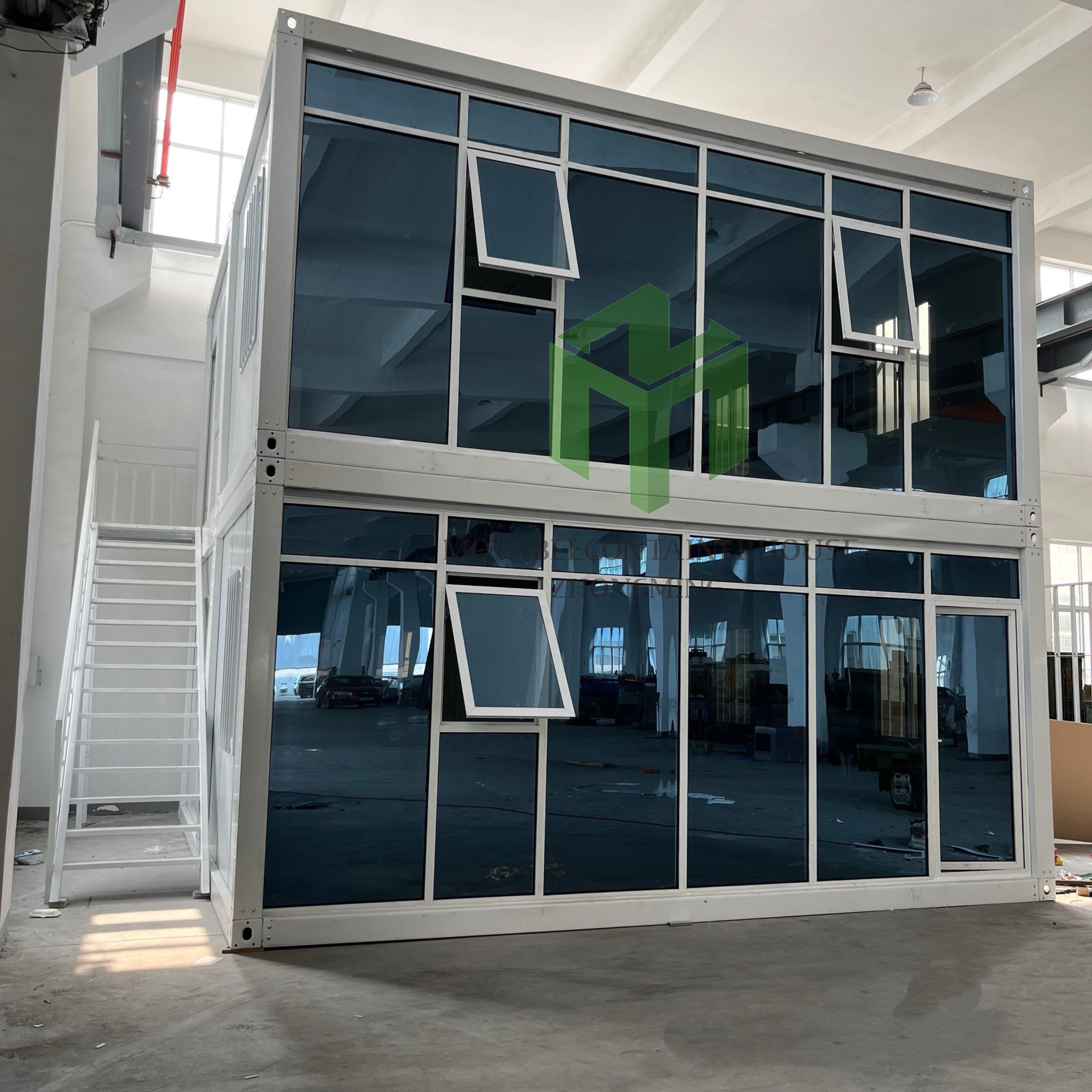
Container-based housing solutions have revolutionized the construction industry, offering sustainable and cost-effective alternatives to traditional building methods. Among the leading manufacturers in this sector, a china container house represents advanced engineering and manufacturing capabilities that address extreme weather challenges. These innovative structures combine durability, flexibility, and weather resistance to create reliable housing solutions for diverse climatic conditions worldwide.
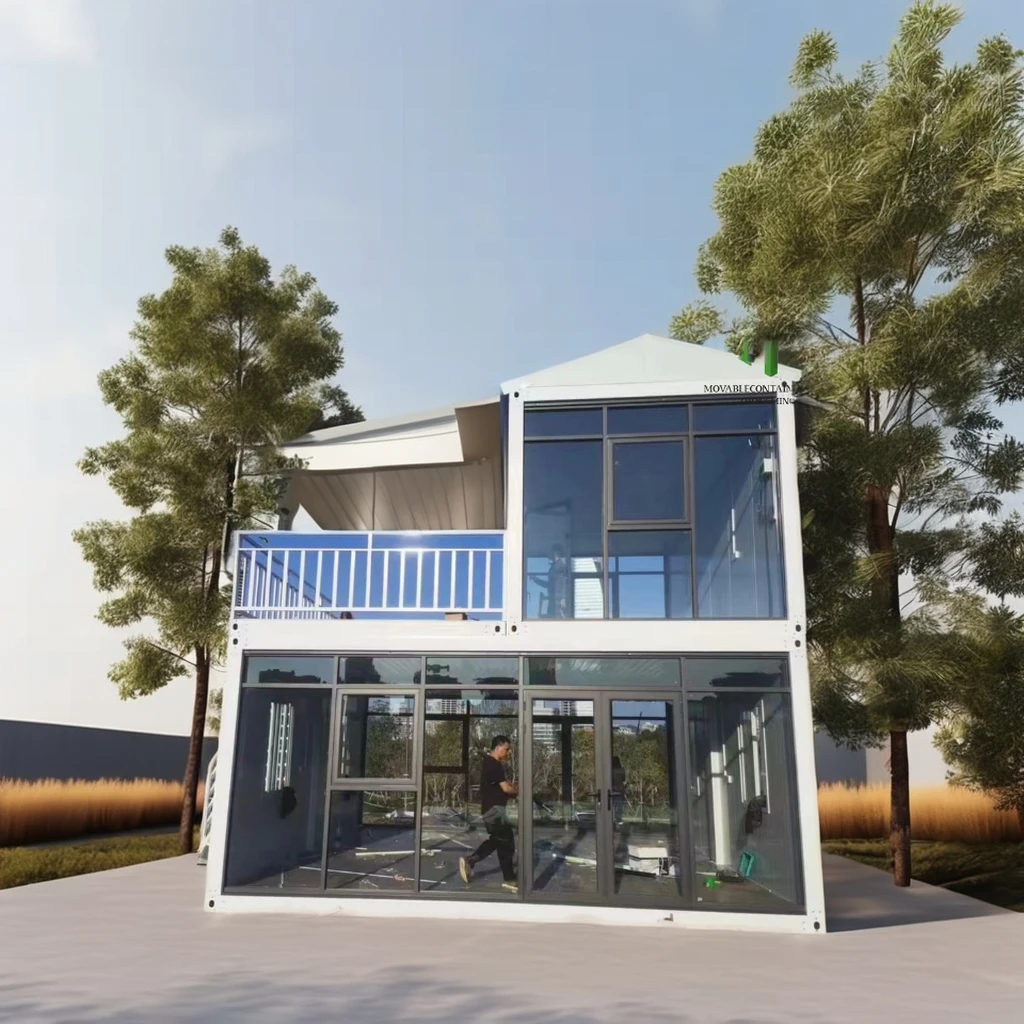
Structural Engineering Behind Weather Resistance
Steel Framework Foundation Systems
The structural integrity of any china container house begins with its steel framework, which serves as the backbone for weather resistance. High-grade steel components undergo specialized treatments to prevent corrosion and maintain structural stability under extreme conditions. These frameworks utilize reinforced corner posts and cross-bracing systems that distribute loads evenly across the entire structure. The engineering design incorporates seismic considerations, wind load calculations, and thermal expansion factors to ensure long-term performance. Modern manufacturing processes include galvanization and powder coating applications that create multiple layers of protection against environmental elements.
Advanced welding techniques employed in china container house production create seamless joints that eliminate weak points susceptible to weather penetration. The steel gauge thickness typically ranges from 2.0mm to 3.0mm, providing substantial strength while maintaining reasonable weight for transportation purposes. Quality control measures during fabrication ensure consistent material properties and structural uniformity across all components. These engineering standards enable container houses to withstand wind speeds exceeding 120 mph and seismic activities up to magnitude 8.0 on the Richter scale.
Insulation and Thermal Performance
Thermal management represents a critical aspect of weather resistance in any china container house design. Multi-layer insulation systems incorporate materials such as polyurethane foam, rockwool, and reflective barriers to maintain interior temperature stability. The insulation thickness varies based on intended climate zones, ranging from 50mm in temperate regions to 150mm for extreme cold applications. Vapor barriers prevent moisture infiltration that could compromise structural integrity or create indoor air quality issues. These thermal solutions enable container houses to maintain comfortable interior conditions while minimizing energy consumption requirements.
Advanced thermal bridging techniques eliminate heat transfer through structural components, preventing condensation formation and improving overall energy efficiency. The R-value performance of modern china container house insulation systems typically ranges from R-15 to R-30, depending on regional requirements and specific applications. Continuous insulation installation methods ensure complete coverage without gaps that could create thermal weak points. These thermal performance characteristics enable container houses to maintain stable interior temperatures ranging from -40°C to +50°C ambient conditions.
Weather-Specific Design Adaptations
Wind Resistance Engineering
Hurricane and typhoon regions require specialized design considerations for any china container house installation. Aerodynamic profiles minimize wind pressure buildup while reinforced anchoring systems transfer loads directly to foundation elements. Wind load calculations incorporate both positive and negative pressure scenarios to ensure structural stability during extreme weather events. Strategic placement of openings and architectural features reduces wind turbulence while maintaining functional design requirements. These engineering adaptations enable container houses to survive Category 4 hurricane conditions without structural failure.
Foundation anchoring systems for china container house structures utilize deep concrete piers or helical anchors that extend below frost lines in cold climates. Tie-down assemblies incorporate high-tensile strength cables and turnbuckles that allow for structural adjustments during installation and maintenance. Multiple anchoring points distribute loads evenly across the foundation system, preventing uplift forces from compromising structural integrity. Regular inspection protocols ensure anchor system performance throughout the structure's operational lifetime.
Moisture and Flood Protection
Flood-prone areas demand elevated foundation systems and comprehensive waterproofing measures for china container house installations. Raised platform designs utilize concrete or steel pier systems that elevate living spaces above historical flood levels. Waterproof membrane applications create seamless barriers against moisture infiltration through floors, walls, and roof assemblies. Drainage systems incorporate French drains, sump pumps, and gravity flow solutions to manage water accumulation around foundation perimeters. These protective measures ensure habitability even during extended flooding events.
Interior moisture control systems include mechanical ventilation, dehumidification equipment, and moisture-resistant building materials. Sealed electrical and plumbing penetrations prevent water intrusion through utility connections while maintaining system functionality. Emergency egress planning incorporates flood scenario considerations to ensure occupant safety during extreme weather events. Regular maintenance schedules include waterproofing inspection and renewal procedures to maintain long-term protection effectiveness.
Climate Zone Specific Adaptations
Arctic and Sub-Arctic Applications
Extreme cold weather conditions require specialized modifications for china container house designs intended for polar regions. Enhanced insulation packages incorporate multiple thermal barriers and radiant heat reflection systems to minimize heat loss. Heating system designs utilize redundant sources including electric, propane, and wood-burning options to ensure continuous warmth during power outages. Foundation systems account for permafrost conditions and seasonal ground movement through adjustable support mechanisms. These adaptations enable comfortable occupancy in temperatures reaching -50°C or lower.
Snow load calculations determine roof reinforcement requirements while steep pitch modifications facilitate natural snow shedding. Window and door systems incorporate triple-pane glazing with argon gas fills and thermally broken frames to minimize heat transfer. Ventilation systems include heat recovery units that capture outgoing warm air to preheat incoming fresh air. Specialized china container house models for arctic applications undergo extensive cold weather testing to verify performance under extreme conditions.
Desert and Arid Climate Solutions
High-temperature environments demand cooling-focused design strategies for china container house installations in desert regions. Reflective roof coatings and light-colored exterior finishes minimize solar heat gain while maintaining structural protection. Passive cooling techniques include cross-ventilation design, thermal mass utilization, and evaporative cooling integration. Insulation systems emphasize radiant heat barriers and ventilated air gaps to prevent interior temperature buildup. These design elements enable comfortable occupancy in ambient temperatures exceeding 50°C.
Water conservation systems incorporate rainwater collection, greywater recycling, and atmospheric water generation technologies. Solar panel integration provides renewable energy for cooling systems while reducing operational costs and environmental impact. Sand and dust protection measures include sealed joints, filtered ventilation, and specialized exterior coatings that resist abrasion. Regular maintenance protocols address dust accumulation and component wear associated with harsh desert conditions.
Manufacturing Quality and Testing Standards
Quality Control Processes
Manufacturing excellence distinguishes superior china container house products through comprehensive quality control measures implemented throughout production cycles. Material certification processes verify steel composition, strength characteristics, and corrosion resistance properties before fabrication begins. Welding quality inspections utilize non-destructive testing methods including ultrasonic, radiographic, and dye penetrant examinations. Dimensional accuracy measurements ensure proper fit and assembly while maintaining structural alignment requirements. These quality measures guarantee consistent performance across all weather conditions and operational scenarios.
Final assembly inspections verify electrical system safety, plumbing integrity, and HVAC performance before shipment authorization. Weatherproofing tests simulate extreme conditions including driving rain, temperature cycling, and pressure differentials to validate protective systems. Documentation packages include material certifications, test results, and maintenance guidelines for proper long-term operation. Quality management systems comply with international standards including ISO 9001 and regional building codes for residential construction.
Performance Testing Protocols
Comprehensive testing programs validate china container house performance under simulated extreme weather conditions before market release. Wind tunnel testing determines aerodynamic characteristics and structural response to various wind speeds and directions. Thermal cycling tests subject complete units to temperature extremes while monitoring interior conditions and structural integrity. Water penetration testing utilizes high-pressure spray systems to verify weatherproofing effectiveness under storm conditions. These rigorous testing protocols ensure reliable performance in actual field applications.
Seismic simulation testing evaluates structural response to earthquake conditions using shake table facilities and computerized modeling systems. Load testing verifies floor, wall, and roof capacity under various loading scenarios including snow, wind, and occupancy loads. Durability testing accelerates aging processes to predict long-term performance characteristics over expected service lifetimes. Independent third-party certification validates test results and confirms compliance with applicable safety and performance standards.
Installation and Site Preparation Considerations
Foundation Requirements
Proper foundation design represents the most critical factor for china container house weather resistance and long-term performance. Site evaluation includes soil analysis, drainage assessment, and climate data review to determine appropriate foundation systems. Concrete slab foundations provide stability for permanent installations while adjustable pier systems accommodate temporary or relocatable applications. Foundation depth calculations account for frost penetration, soil bearing capacity, and local building code requirements. Professional engineering consultation ensures foundation adequacy for specific site conditions and structural loads.
Utility connections require weatherproof entry points that maintain structural integrity while accommodating electrical, plumbing, and communication services. Grounding systems protect against lightning strikes and electrical surges while meeting safety code requirements. Drainage systems around foundation perimeters prevent water accumulation that could compromise structural stability or create moisture problems. Regular inspection schedules include foundation settlement monitoring and drainage system maintenance to ensure continued effectiveness.
Site-Specific Modifications
Local climate conditions may require site-specific modifications to standard china container house designs for optimal weather resistance. Coastal installations incorporate corrosion protection measures including sacrificial anodes and specialized coatings to combat salt air exposure. Mountain locations require enhanced snow load capacity and specialized access considerations for harsh weather periods. Urban installations account for wind tunnel effects and noise reduction requirements while maintaining weather protection capabilities.
Landscaping design complements container house weather resistance through strategic vegetation placement and drainage management. Windbreaks reduce exposure to prevailing winds while maintaining natural ventilation for cooling purposes. Elevated walkways and access platforms provide safe entry during flood conditions or heavy snowfall periods. Emergency preparedness planning includes backup power systems, communication equipment, and emergency supplies storage for extended weather events.
FAQ
What wind speeds can a china container house withstand
A properly engineered china container house can withstand wind speeds up to 150 mph when equipped with appropriate anchoring systems and structural reinforcements. The steel framework provides exceptional strength while aerodynamic design features minimize wind pressure buildup. Foundation anchoring systems transfer wind loads directly to ground anchors or concrete foundations, preventing structural failure during extreme weather events. Regular maintenance and inspection ensure continued wind resistance throughout the structure's operational lifetime.
How do container houses perform in earthquake zones
China container house structures demonstrate excellent seismic performance due to their steel construction and flexible joint systems. The lightweight design reduces seismic loads while the steel framework provides ductility that allows movement without structural failure. Proper foundation design and anchoring systems ensure the structure remains connected to the ground during seismic events. Many container house installations successfully operate in high-seismic zones including California, Japan, and New Zealand with appropriate engineering modifications.
What maintenance is required for weather protection
Regular maintenance for china container house weather protection includes annual roof and exterior inspections, sealant renewal every 3-5 years, and HVAC system servicing according to manufacturer specifications. Drainage systems require periodic cleaning to prevent blockages while foundation areas need inspection for settlement or water accumulation. Exterior coating touch-ups address minor damage before it compromises weather protection, while ventilation system maintenance ensures proper moisture control. Professional inspection every 2-3 years identifies potential issues before they affect weather resistance performance.
Are container houses suitable for tropical climates
China container house designs adapt effectively to tropical climates through specialized insulation, ventilation, and moisture control systems. Enhanced cooling systems including passive ventilation and mechanical air conditioning maintain comfortable interior conditions during hot, humid periods. Corrosion-resistant coatings and materials prevent deterioration from constant humidity exposure while elevated foundation designs protect against flooding during monsoon seasons. Proper design modifications enable comfortable year-round occupancy in tropical environments including Southeast Asia, Central America, and Pacific Island locations.