
 EN
EN

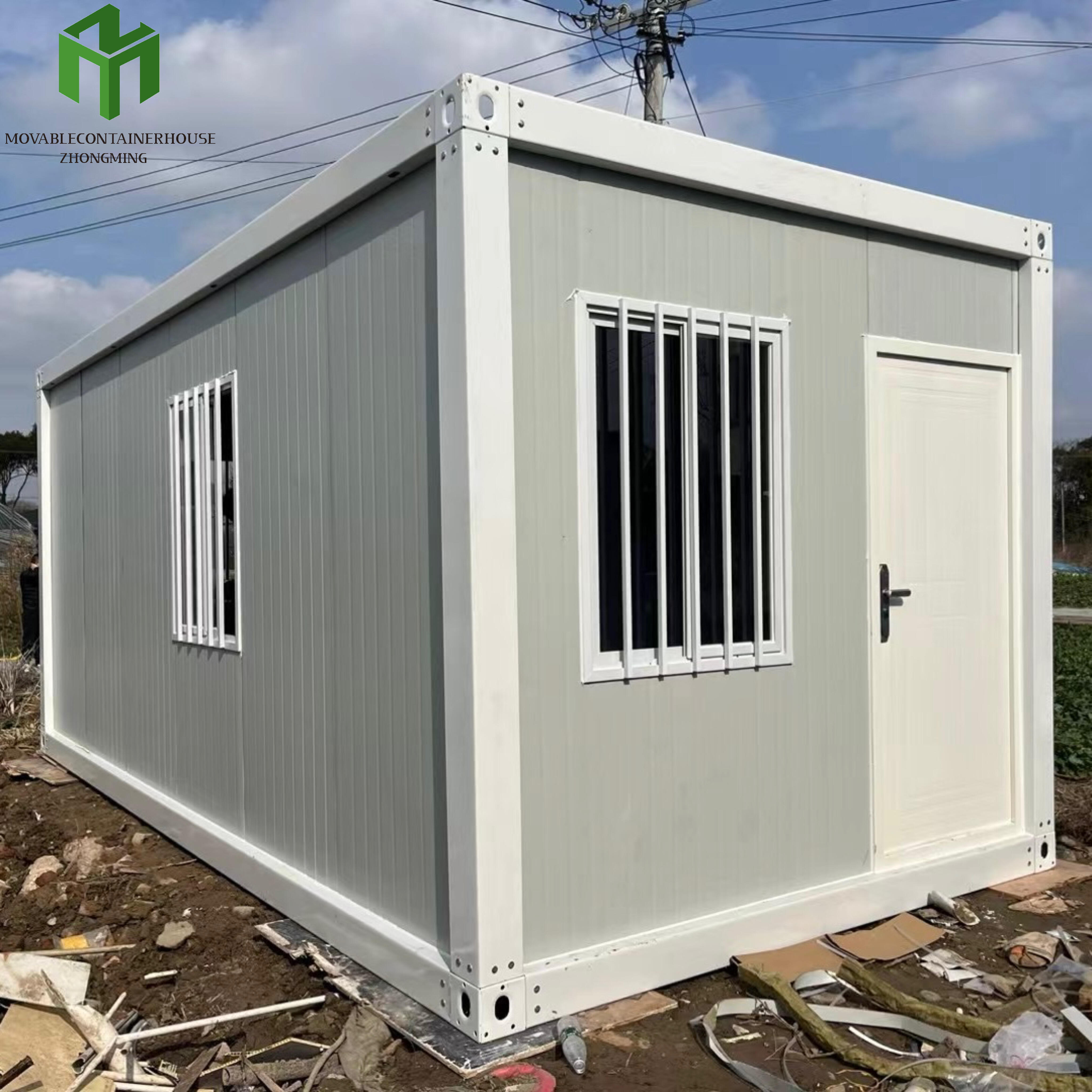
The installation timeline for a container house represents one of the most significant advantages of this innovative housing solution. Unlike traditional construction methods that can stretch for months or even years, a container house offers remarkable speed and efficiency in the building process. Understanding the various factors that influence installation time helps prospective homeowners make informed decisions about their housing projects. The complexity of your specific design, site preparation requirements, and local building regulations all play crucial roles in determining the overall timeline for your container house project.
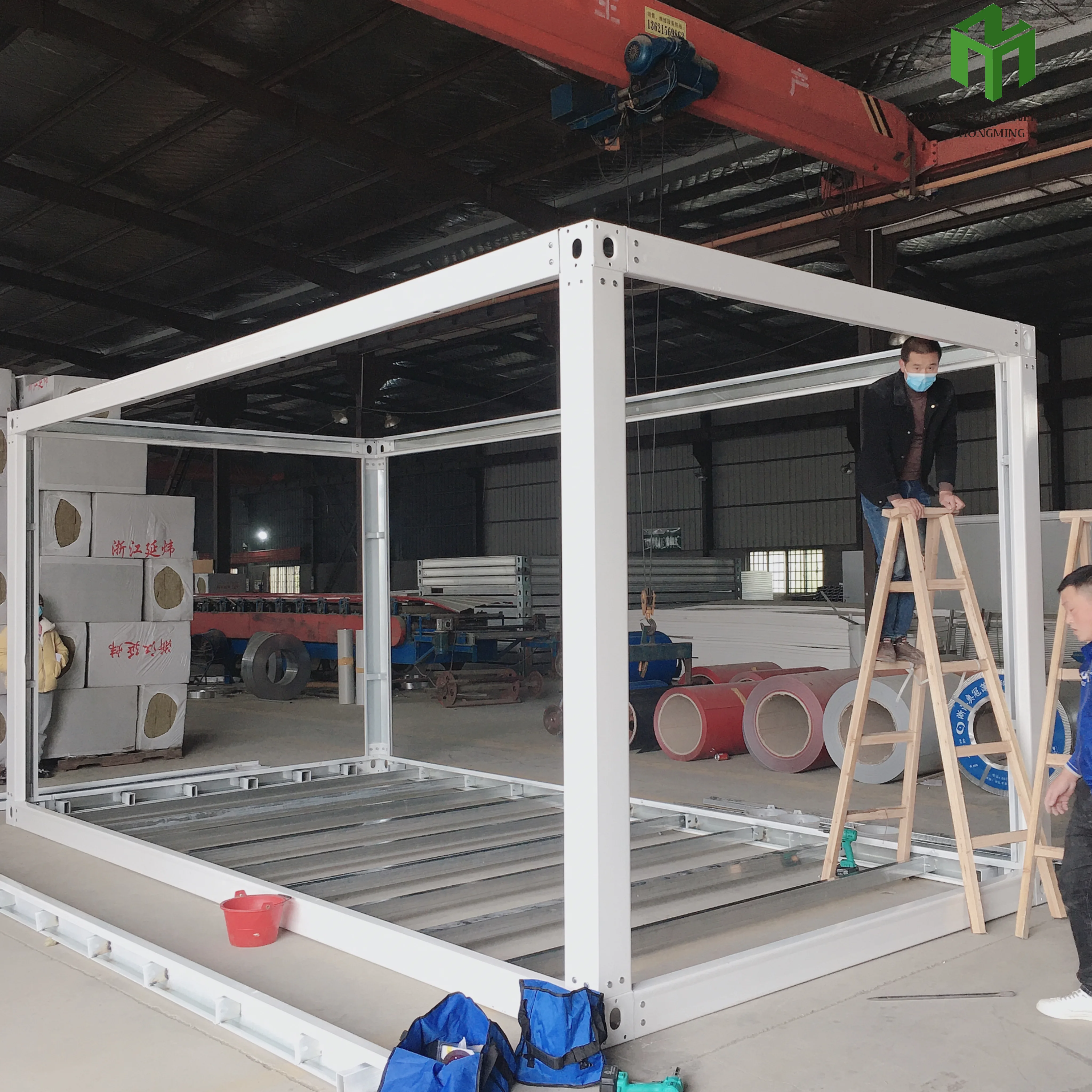
Factors Affecting Container House Installation Speed
Site Preparation and Foundation Requirements
The foundation preparation phase significantly impacts the overall timeline for your container house installation. A properly prepared site ensures structural integrity and longevity of your container house investment. Site clearing, excavation, and leveling typically require 3-5 days for standard residential projects, though this can vary based on terrain conditions and soil composition. The foundation type you choose also affects timing, with concrete slab foundations requiring additional curing time compared to pier or strip foundation systems.
Environmental factors such as weather conditions, soil stability, and accessibility can extend or compress the site preparation timeline. Rocky terrain or poor drainage conditions may necessitate additional excavation work, potentially adding several days to the process. Professional site assessment before beginning your container house project helps identify potential delays and allows for more accurate timeline predictions.
Design Complexity and Customization Level
The complexity of your container house design directly correlates with installation duration. Single-container units with minimal modifications can be installed within 1-2 days, while multi-container configurations requiring extensive cutting, welding, and structural reinforcement may take several weeks. Custom features such as large window openings, skylights, or architectural modifications require additional fabrication time and careful installation procedures.
Pre-fabricated container house units offer the fastest installation times because most modifications are completed in controlled factory environments. These standardized designs minimize on-site work and reduce the likelihood of weather-related delays. Custom container house projects, while offering greater design flexibility, typically require 2-4 weeks for completion depending on the scope of modifications and finishing requirements.
Step-by-Step Installation Timeline
Initial Delivery and Positioning Phase
Container house delivery and positioning represent critical initial steps in the installation process. Professional delivery services typically schedule container placement within 1-2 days of site preparation completion. Crane operations for multi-story container house configurations require additional coordination and may extend this phase by 1-2 days. Proper positioning ensures optimal alignment with utility connections and maintains structural integrity throughout the installation process.
The positioning phase also involves securing the container house to its foundation system using appropriate anchor bolts and structural connections. This process ensures compliance with local building codes and provides necessary structural stability. Weather conditions can impact crane operations and positioning accuracy, potentially requiring schedule adjustments to maintain safety standards during container house installation.
Utility Connections and Infrastructure Integration
Utility connections represent a significant portion of the container house installation timeline. Electrical, plumbing, and HVAC system installation typically requires 3-7 days depending on system complexity and local inspection requirements. Pre-wired container house units significantly reduce this timeline by incorporating electrical systems during the manufacturing process. Water and sewer connections must comply with local codes and may require professional inspection before system activation.
Internet, cable, and other communication services often require separate scheduling and coordination with utility providers. Planning these connections in advance helps prevent installation delays and ensures your container house is fully functional upon completion. Some utility companies require several weeks notice for new service installations, making early planning essential for project timeline management.
Permit Requirements and Regulatory Considerations
Building Permit Processing Times
Building permit acquisition significantly impacts your container house project timeline and should be initiated well before installation begins. Most jurisdictions require 2-6 weeks for permit processing, though some areas may have expedited options for certain container house configurations. Comprehensive permit applications including detailed plans, structural engineering reports, and utility connection diagrams help streamline the approval process.
Local building departments may require specific modifications or documentation for container house projects, as these structures sometimes fall outside traditional building categories. Engaging with local officials early in the planning process helps identify unique requirements and prevents costly delays during installation. Some areas have simplified permit processes for pre-approved container house designs, significantly reducing regulatory timeline impacts.
Inspection Schedules and Compliance Verification
Building inspections occur at multiple stages throughout the container house installation process and must be scheduled in coordination with local building departments. Foundation inspections typically occur before container placement, while electrical and plumbing inspections happen after system installation but before final wall closure. Final occupancy inspections ensure your container house meets all applicable safety and building code requirements.
Inspection scheduling flexibility varies by jurisdiction, with some areas offering same-day or next-day inspection services while others require several days advance notice. Failed inspections can significantly delay your container house project timeline, making it essential to work with experienced contractors familiar with local code requirements and inspection processes.
Weather Impact and Seasonal Considerations
Optimal Installation Seasons
Weather conditions significantly influence container house installation timelines and should be carefully considered during project planning. Spring and fall typically offer the most favorable conditions for container house installation, with moderate temperatures and reduced precipitation. Summer installations may face heat-related work restrictions, while winter projects can encounter frost delays and extended curing times for concrete work.
Regional climate patterns affect optimal installation timing, with areas prone to hurricanes, tornadoes, or severe winter weather requiring careful seasonal planning. Container house projects in moderate climates can proceed year-round with minimal weather-related delays, while extreme climate areas may require seasonal scheduling to ensure worker safety and installation quality.
Weather Delay Management Strategies
Effective weather delay management helps minimize timeline impacts on your container house installation. Flexible scheduling allows contractors to accelerate work during favorable weather periods and pause during severe conditions. Indoor preparation work, such as electrical panel installation or interior finishing, can continue during inclement weather, maintaining project momentum despite external conditions.
Professional container house contractors typically build weather contingencies into project timelines, accounting for regional precipitation patterns and seasonal temperature variations. Advanced weather monitoring and flexible crew scheduling help optimize work periods and minimize weather-related delays throughout the installation process.
Cost Implications of Installation Speed
Labor Costs and Timeline Relationships
Container house installation speed directly impacts overall project costs through labor efficiency and equipment rental duration. Faster installation reduces daily labor costs and minimizes equipment rental expenses, making efficient project management essential for budget control. Experienced container house installation crews can significantly reduce timeline and associated costs through specialized knowledge and streamlined procedures.
Rush installations may incur premium labor rates and require additional crew members, potentially increasing costs despite reduced timeline. Balancing speed with cost efficiency requires careful project planning and realistic timeline expectations. Container house projects benefit from standardized installation procedures that optimize both speed and cost effectiveness.
Equipment Rental and Logistics Expenses
Heavy equipment rental represents a significant cost component in container house installation projects. Crane rental for container positioning typically costs several hundred to thousands of dollars per day, making efficient scheduling essential for cost control. Extended project timelines increase equipment rental costs and may require multiple mobilizations, further impacting project budgets.
Logistics coordination helps minimize equipment rental duration and associated costs. Pre-positioning materials, coordinating utility connections, and maintaining flexible scheduling reduces equipment idle time and optimizes rental efficiency. Professional container house contractors leverage established relationships with equipment rental companies to negotiate favorable rates and flexible scheduling arrangements.
Quality Control During Rapid Installation
Maintaining Standards Under Time Pressure
Rapid container house installation requires careful attention to quality control procedures to ensure structural integrity and long-term performance. Standardized installation checklists help maintain consistent quality standards regardless of installation speed. Professional contractors implement quality checkpoints throughout the installation process to identify and address potential issues before they impact project completion.
Time pressure should never compromise safety standards or building code compliance in container house projects. Experienced installation teams maintain quality standards through efficient procedures and systematic approaches rather than cutting corners or skipping important steps. Regular supervisor oversight ensures quality maintenance throughout accelerated installation schedules.
Documentation and Warranty Considerations
Proper documentation during container house installation supports warranty claims and future maintenance requirements. Installation photographs, material certifications, and inspection reports create comprehensive project records. Rapid installation schedules require systematic documentation procedures to ensure nothing is overlooked during the construction process.
Warranty coverage often depends on proper installation procedures and documentation compliance. Container house manufacturers may require specific installation protocols to maintain warranty validity. Professional installation teams understand these requirements and maintain appropriate documentation throughout the project timeline.
FAQ
What is the typical installation time for a single container house unit
A single container house unit typically requires 1-3 days for basic installation, including delivery, positioning, and utility connections. This timeline assumes proper site preparation and readily available utility access. More complex single-unit installations with extensive modifications may require up to one week for completion. Pre-fabricated units with minimal on-site work represent the fastest installation option for container house projects.
How does site accessibility affect container house installation duration
Site accessibility significantly impacts container house installation timelines through equipment access limitations and material delivery challenges. Remote or difficult-to-access sites may require smaller equipment and extended material staging, potentially doubling installation time. Narrow access roads, steep grades, or soft soil conditions can complicate crane operations and container positioning. Professional site assessment helps identify accessibility challenges and develop appropriate mitigation strategies.
Can weather delays be avoided in container house installation projects
Weather delays cannot be completely avoided but can be minimized through careful seasonal planning and flexible scheduling strategies. Indoor preparation work can continue during inclement weather, maintaining project momentum. Professional contractors build weather contingencies into project timelines and maintain flexible crew schedules to optimize work periods. Advanced weather monitoring helps anticipate and plan around severe weather events.
What factors most significantly extend container house installation timelines
Complex site preparation requirements, extensive customization work, and permit delays represent the most significant factors extending container house installation timelines. Multi-container configurations requiring structural modifications can add weeks to project duration. Utility connection complications and inspection scheduling challenges also commonly impact installation timelines. Working with experienced contractors familiar with local requirements helps minimize these potential delays and maintain project schedules.