
 EN
EN

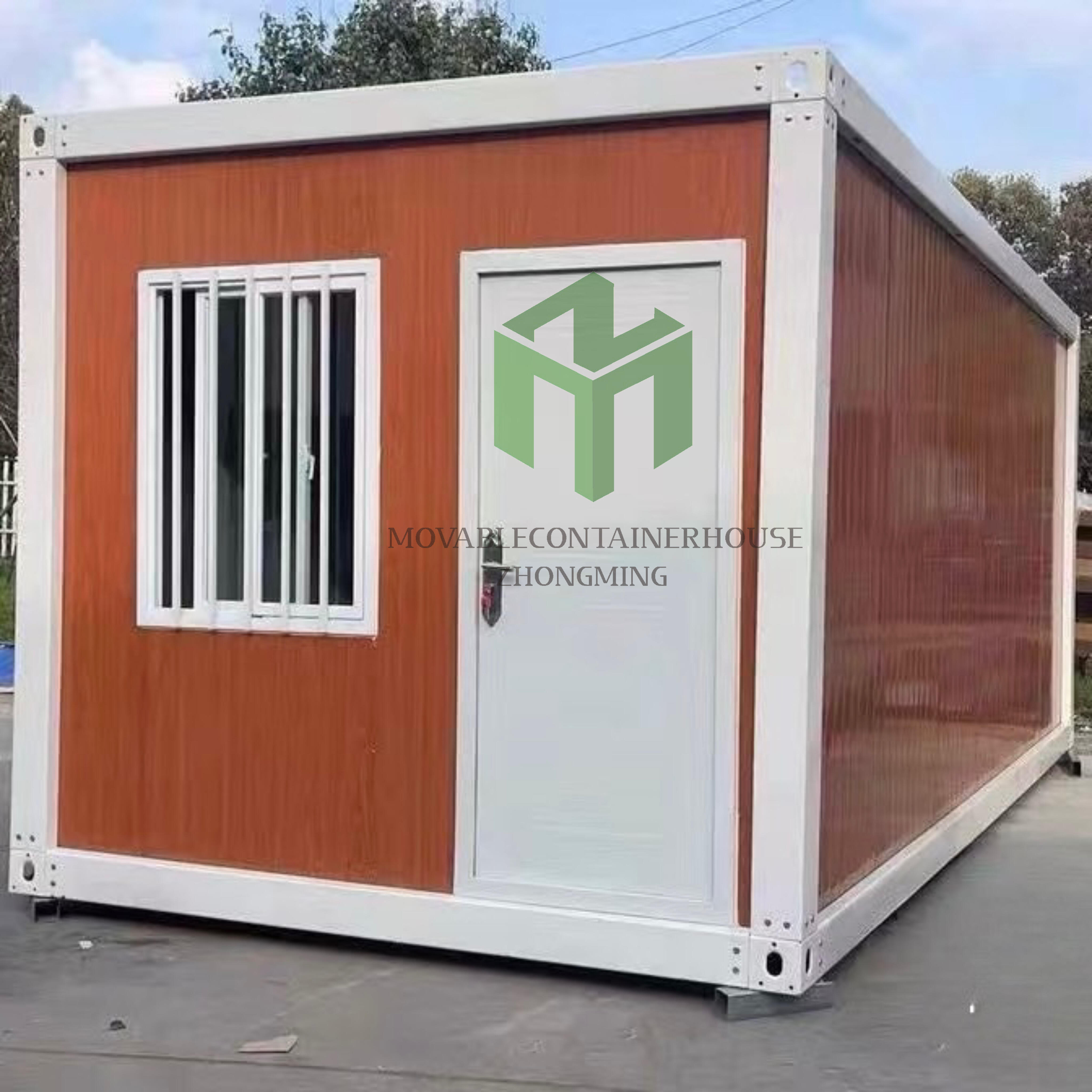
The construction industry has witnessed a remarkable transformation with the emergence of innovative building solutions that prioritize efficiency, sustainability, and cost-effectiveness. Among these revolutionary approaches, the prefab house container has emerged as a game-changing alternative to traditional construction methods. This modular building solution combines the durability of shipping containers with modern architectural design principles, creating versatile living spaces that meet diverse housing needs. The growing popularity of prefab house container structures reflects their ability to address contemporary challenges in construction, including time constraints, budget limitations, and environmental concerns.

Speed and Efficiency in Construction
Rapid Assembly Process
The prefab house container construction process significantly reduces building timelines compared to conventional construction methods. These structures arrive at the site as pre-manufactured units, requiring minimal on-site assembly work. The standardized manufacturing process ensures consistent quality while eliminating weather-related delays that commonly affect traditional construction projects. Site preparation remains minimal, as these containers can be placed on simple foundation systems or even temporary bases depending on local regulations and intended use.
Installation crews can complete the assembly of a basic prefab house container within days rather than months. This accelerated timeline proves particularly valuable for emergency housing situations, temporary accommodations, or commercial projects with tight deadlines. The modular nature allows for simultaneous preparation of multiple units, further enhancing overall project efficiency and reducing labor costs associated with extended construction periods.
Streamlined Manufacturing Controls
Factory-controlled manufacturing environments provide superior quality control compared to on-site construction variables. Prefab house container production occurs in climate-controlled facilities where skilled technicians can implement precise measurements and consistent installation techniques. This controlled environment eliminates weather-related material damage and ensures optimal working conditions for detailed craftsmanship and system installations.
The standardized production process reduces material waste through efficient cutting and assembly procedures. Quality assurance protocols implemented during manufacturing catch potential issues before delivery, preventing costly on-site corrections. Additionally, the factory setting allows for bulk purchasing of materials and components, contributing to cost savings that benefit end users while maintaining high construction standards.
Cost-Effectiveness and Budget Advantages
Lower Initial Investment Requirements
Prefab house container solutions typically require 20-40% lower initial investment compared to traditional stick-built homes of similar size and functionality. The reduced material costs stem from efficient manufacturing processes, standardized components, and bulk purchasing advantages. Labor expenses decrease significantly due to reduced on-site construction time and simplified installation procedures that require fewer specialized trades.
The predictable cost structure of prefab house container projects helps buyers avoid unexpected expenses commonly associated with traditional construction. Fixed pricing models eliminate concerns about material price fluctuations or change orders that can inflate project budgets. This cost predictability proves particularly valuable for developers, institutions, and individuals working within strict budget constraints or seeking financing approval based on predetermined project costs.
Long-Term Financial Benefits
Operating costs for prefab house container structures remain consistently lower than traditional buildings due to improved insulation systems and energy-efficient design features. The steel construction requires minimal maintenance compared to wood-frame structures, reducing ongoing repair and replacement expenses. Modern container modifications include advanced HVAC systems and energy-efficient windows that contribute to reduced utility costs throughout the building's lifespan.
Insurance premiums for prefab house container structures often reflect their superior durability and reduced risk profiles. The steel construction provides excellent resistance to fire, pests, and severe weather conditions, translating to lower insurance costs and reduced claims potential. Additionally, the potential for relocation adds value flexibility that traditional structures cannot offer, providing options for changing circumstances or investment strategies.
Environmental Sustainability and Eco-Friendly Features
Recycling and Waste Reduction
The environmental benefits of prefab house container construction begin with the repurposing of shipping containers that might otherwise contribute to industrial waste streams. Each converted container represents thousands of pounds of steel diverted from potential disposal, demonstrating practical recycling on a significant scale. This approach aligns with circular economy principles by extending the useful life of existing materials rather than requiring new resource extraction.
Manufacturing processes for prefab house container modifications generate significantly less construction waste compared to traditional building methods. Factory production environments implement precise cutting and assembly techniques that minimize material waste, while standardized designs allow for efficient material utilization. The controlled manufacturing setting enables proper segregation and recycling of waste materials, contributing to overall environmental responsibility.
Energy Efficiency and Carbon Footprint
Modern prefab house container designs incorporate advanced insulation systems that exceed traditional building performance standards. The steel structure provides excellent thermal mass properties when properly insulated, contributing to stable interior temperatures and reduced heating and cooling demands. High-performance windows, energy-efficient lighting systems, and optimized HVAC installations further enhance the environmental performance of these structures.
The reduced construction timeline of prefab house container projects translates to lower carbon emissions associated with construction activities. Shorter project durations mean fewer trips by construction vehicles, reduced equipment operation time, and decreased disruption to surrounding environments. The potential for off-grid capabilities through solar panel installations and water recycling systems further enhances the environmental benefits of these innovative housing solutions.
Versatility and Design Flexibility
Modular Expansion Capabilities
The modular nature of prefab house container construction allows for flexible expansion options that adapt to changing needs over time. Additional units can be connected horizontally or vertically to create larger living spaces, multi-story structures, or specialized functional areas. This scalability provides significant advantages for growing families, expanding businesses, or evolving institutional requirements without requiring complete reconstruction.
Creative architectural combinations using multiple prefab house container units enable unique design solutions that would be difficult or expensive to achieve with traditional construction methods. Architects can create interesting spatial arrangements, courtyards, and multi-level designs by strategically positioning and connecting individual container modules. The standardized dimensions facilitate precise planning and ensure structural compatibility when combining multiple units.
Customization and Interior Design Options
Interior customization possibilities for prefab house container structures rival those of traditionally built homes, with modern manufacturing techniques enabling sophisticated layouts and finishes. Advanced cutting and welding capabilities allow for large window openings, interior wall removals, and custom door placements that create open, inviting living spaces. High-end finishes, fixtures, and appliances can be integrated during manufacturing or added during final installation phases.
The steel structure provides excellent support for various interior design elements, including mezzanine levels, hanging fixtures, and built-in storage solutions. Modern prefab house container designs accommodate standard electrical and plumbing systems while offering flexibility for smart home technologies and sustainable systems. The ability to pre-wire and pre-plumb units during manufacturing ensures clean, professional installations that meet all relevant building codes and safety standards.
Durability and Structural Integrity
Weather Resistance and Longevity
Shipping containers used in prefab house container construction undergo rigorous engineering to withstand harsh marine environments, extreme weather conditions, and heavy loading during transportation. This inherent structural strength translates to exceptional durability in residential applications, with properly maintained container structures lasting 50 years or more. The steel construction provides superior resistance to seismic activity, high winds, and other natural disasters compared to traditional wood-frame construction.
Corrosion-resistant coatings and proper maintenance protocols ensure long-term structural integrity for prefab house container buildings. Modern treatment processes protect against rust and deterioration while maintaining the aesthetic appeal of the structure. The non-combustible steel construction provides enhanced fire resistance, contributing to overall safety and insurance advantages for occupants and property owners.
Security and Structural Safety
The robust steel construction of prefab house container structures provides inherent security advantages over traditional building materials. The difficulty of unauthorized entry through steel walls, combined with secure locking mechanisms, creates naturally secure environments suitable for various applications including remote locations or high-security requirements. This built-in security reduces the need for additional security systems and associated costs.
Structural modifications to create prefab house container living spaces follow established engineering principles that maintain the original structural integrity of the container framework. Professional modifications ensure that wall openings, connections, and load-bearing modifications meet building codes and safety standards. The standardized dimensions and known structural properties of shipping containers facilitate accurate engineering calculations and reliable structural performance predictions.
FAQ
How long does it take to install a prefab house container on site
Installation of a basic prefab house container typically takes 1-3 days depending on site preparation requirements and complexity of utility connections. Simple installations on prepared foundations can be completed within hours, while more complex multi-unit configurations or challenging site conditions may extend the timeline. The rapid installation process represents one of the primary advantages of prefab house container construction compared to traditional building methods that require weeks or months for completion.
What permits are required for prefab house container installation
Permit requirements for prefab house container structures vary by location but typically include building permits, electrical permits, and plumbing permits similar to traditional construction projects. Some jurisdictions have specific regulations for container-based construction that may require additional documentation or inspections. Working with experienced prefab house container suppliers and local contractors familiar with regional requirements helps ensure proper permit acquisition and code compliance throughout the installation process.
Can prefab house containers be relocated after installation
Yes, prefab house containers maintain their portability advantages even after modification for residential use, though relocation requires careful planning and professional handling. The modular design allows for disassembly of connections between multiple units and removal from foundations without structural damage. This mobility provides unique flexibility for temporary housing needs, changing property requirements, or investment strategies that traditional structures cannot offer.
What utilities can be integrated into prefab house container designs
Modern prefab house container structures accommodate all standard residential utilities including electricity, plumbing, HVAC systems, internet connectivity, and telephone services. Advanced designs can incorporate renewable energy systems, water recycling capabilities, and smart home technologies. The factory manufacturing environment allows for precise utility installation with professional routing and connections that meet building codes and provide reliable long-term performance for occupants.