
 EN
EN

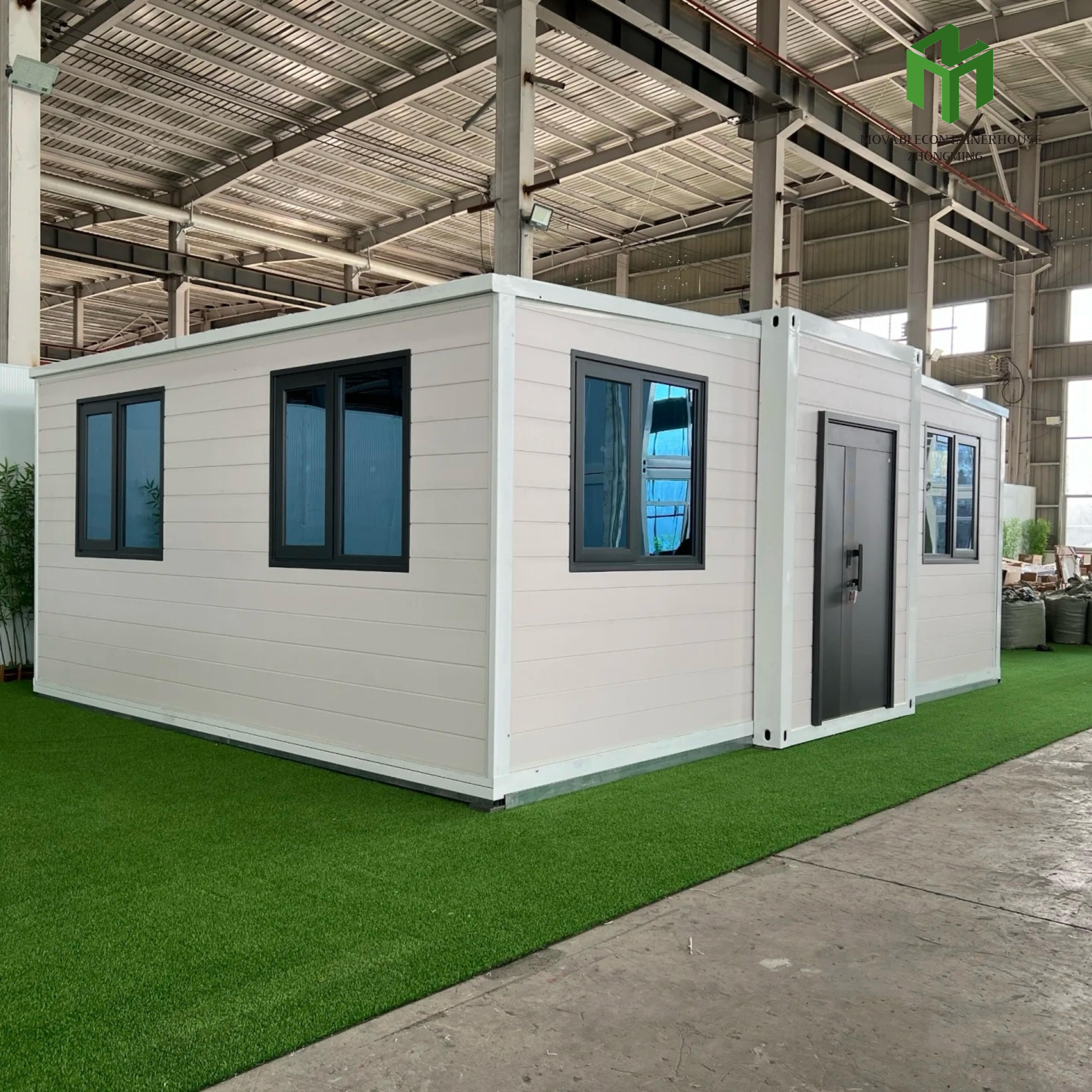
Designing housing solutions for extreme climates requires innovative approaches that combine durability, energy efficiency, and rapid deployment capabilities. The modular container house has emerged as a revolutionary solution for addressing housing needs in challenging environmental conditions, from scorching deserts to freezing polar regions. These versatile structures offer unprecedented flexibility in design while maintaining structural integrity under the most demanding weather conditions. Engineers and architects worldwide are increasingly turning to modular container house designs to create sustainable living spaces that can withstand extreme temperatures, high winds, and severe weather events.

Understanding Climate-Specific Design Requirements
Thermal Performance in Extreme Temperatures
The modular container house must incorporate advanced thermal management systems to handle temperature extremes effectively. In hot climates, reflective roofing materials and strategic ventilation systems prevent excessive heat buildup, while in cold regions, superior insulation and thermal bridges elimination become critical. Double-wall construction with high-performance insulation materials ensures optimal temperature control regardless of external conditions. The steel framework of a modular container house provides excellent thermal conductivity properties when properly engineered with thermal breaks and insulation barriers.
Heat recovery ventilation systems integrated into modular container house designs maximize energy efficiency while maintaining indoor air quality. These systems capture waste heat from outgoing air and transfer it to incoming fresh air, significantly reducing heating and cooling loads. Advanced glazing systems with low-emissivity coatings and argon-filled spaces further enhance thermal performance, making the modular container house suitable for extreme climate applications.
Wind and Structural Resilience
Extreme climates often involve severe wind conditions that demand exceptional structural engineering in modular container house construction. Wind load calculations must account for sustained high winds, gusts, and potential storm conditions specific to the deployment location. The inherent strength of shipping container frameworks provides excellent resistance to lateral forces, but additional reinforcement may be necessary for hurricane or tornado-prone areas.
Foundation systems for modular container house installations in extreme climates require specialized design considerations. Permafrost regions demand pile foundations that prevent thermal transfer to frozen ground, while desert installations need deep footings to handle extreme temperature cycling. Proper anchoring systems ensure the modular container house remains secure during high-wind events while allowing for thermal expansion and contraction.
Advanced Insulation Strategies
Multi-Layer Insulation Systems
Effective insulation in a modular container house requires a comprehensive multi-layer approach that addresses various thermal transfer mechanisms. Spray foam insulation provides excellent air sealing properties while filling gaps and irregular spaces within the container structure. Rigid foam boards offer consistent thermal resistance and moisture control, particularly important in humid or wet extreme climates.
Reflective barrier systems integrated into modular container house walls create radiant heat shields that significantly improve thermal performance in hot climates. These systems work by reflecting radiant heat away from living spaces during hot periods and retaining radiant heat during cold periods. The combination of reflective barriers with traditional insulation materials creates a comprehensive thermal management system suitable for extreme climate conditions.
Moisture and Vapor Control
Moisture management becomes critically important when designing a modular container house for extreme climates. Vapor barriers must be strategically positioned to prevent condensation within wall assemblies while allowing necessary moisture transfer. In cold climates, vapor barriers typically install on the warm side of insulation, while hot, humid climates may require different configurations.
Continuous air barriers throughout the modular container house envelope prevent unwanted air infiltration that can compromise thermal performance and indoor comfort. Proper sealing around penetrations, joints, and connections ensures the building envelope performs as designed. Advanced membrane materials provide long-term durability and maintain their sealing properties under extreme temperature cycling.
Climate Control Systems Integration
HVAC Design for Extreme Conditions
Climate control systems in modular container house designs must handle extreme outdoor conditions while maintaining comfortable interior environments. Heat pump systems with variable refrigerant flow technology provide efficient heating and cooling across wide temperature ranges. These systems adapt their output to match building loads while maintaining high efficiency ratios even in challenging conditions.
Backup heating systems ensure occupant safety during extreme cold events when primary systems may be overwhelmed or fail. Electric resistance heating, propane systems, or biomass heating can provide redundant heating capacity for critical applications. The modular container house design should incorporate space for equipment and fuel storage while maintaining safe clearances and proper ventilation.
Energy Recovery and Efficiency
Energy recovery ventilators integrated into modular container house systems capture both sensible and latent heat from exhaust air streams. This technology becomes particularly valuable in extreme climates where large temperature differences exist between indoor and outdoor conditions. The recovered energy significantly reduces the load on primary heating and cooling systems, improving overall energy efficiency.
Smart control systems monitor indoor and outdoor conditions continuously, adjusting ventilation rates and temperature setpoints to optimize energy consumption while maintaining comfort. These systems can predict weather patterns and pre-condition the modular container house interior to minimize peak energy demands during extreme weather events.
Water and Utility Systems
Freeze Protection and Water Management
Water systems in modular container house installations require comprehensive freeze protection measures in cold climates. Heat tracing cables along supply lines prevent freezing, while insulated pipe chases protect plumbing from temperature extremes. Recirculation pumps maintain water flow during cold periods, preventing ice formation in distribution systems.
Greywater and blackwater management systems must function reliably across temperature extremes. Composting toilet systems eliminate freeze concerns while reducing water requirements. Greywater recycling systems with freeze protection enable water conservation in remote extreme climate locations where water supply may be limited or expensive.
Power Generation and Storage
Off-grid modular container house installations require robust power generation and storage systems designed for extreme climate conditions. Solar panel systems with cold-weather performance characteristics maintain power generation during winter months. Wind generators provide supplementary power during periods of low solar availability, particularly valuable in extreme climates with seasonal variations.
Battery storage systems require temperature management to maintain performance and longevity in extreme conditions. Insulated battery compartments with heating and cooling systems protect energy storage equipment from temperature extremes. Backup generator systems provide additional security during extended periods of renewable energy unavailability.
Construction and Assembly Considerations
Site Preparation and Foundation Design
Site preparation for modular container house installation in extreme climates requires careful consideration of local soil conditions, drainage, and environmental factors. Permafrost regions demand specialized foundation systems that minimize thermal transfer to frozen ground while providing adequate structural support. Concrete pier systems with thermal breaks prevent heat conduction that could destabilize permafrost.
Desert installations require foundations designed to handle extreme temperature cycling and potential flash flooding. Elevated foundation systems protect the modular container house from flood damage while allowing air circulation beneath the structure. Proper drainage systems channel water away from the foundation during rare but intense precipitation events common in arid regions.
Modular Assembly and Connection Systems
Connection systems between modular container house units must maintain structural integrity and thermal performance under extreme conditions. Sealed connection systems prevent air and moisture infiltration at joints between modules. Flexible connections accommodate thermal expansion and contraction while maintaining weatherproof seals.
Transportation considerations become critical when deploying modular container house systems to remote extreme climate locations. Units must be designed for efficient shipping while incorporating all necessary systems and features. Pre-assembly of complex systems in controlled factory environments ensures quality and reduces on-site installation time in challenging weather conditions.
FAQ
What insulation thickness is required for modular container houses in extreme cold climates
Modular container house designs for extreme cold climates typically require insulation R-values between R-30 and R-50 depending on the specific temperature ranges expected. Wall assemblies may incorporate 6-8 inches of continuous insulation, while roof systems often require even higher R-values. The key is eliminating thermal bridges through the steel container structure while providing continuous insulation coverage.
How do modular container houses handle extreme wind loads
The structural steel framework of a modular container house provides excellent wind resistance when properly anchored to foundations. Additional reinforcement may include tie-down systems, wind-resistant roofing, and reinforced window and door assemblies. Engineering calculations specific to local wind loads ensure adequate structural performance during extreme weather events.
Can modular container houses operate completely off-grid in extreme climates
Yes, modular container house systems can be designed for complete off-grid operation in extreme climates through integrated renewable energy systems, water recycling, and waste management solutions. Solar panels, wind generators, and battery storage provide reliable power, while composting toilets and greywater systems minimize utility requirements. Proper system sizing ensures reliable operation throughout seasonal variations.
What maintenance is required for modular container houses in extreme climates
Regular maintenance for modular container house installations includes inspection of seals and weatherstripping, HVAC system servicing, and monitoring of insulation performance. Extreme climates may accelerate wear on exterior components, requiring more frequent inspection of roofing, siding, and foundation systems. Preventive maintenance schedules should account for accessibility challenges during extreme weather periods.
Table of Contents
- Understanding Climate-Specific Design Requirements
- Advanced Insulation Strategies
- Climate Control Systems Integration
- Water and Utility Systems
- Construction and Assembly Considerations
-
FAQ
- What insulation thickness is required for modular container houses in extreme cold climates
- How do modular container houses handle extreme wind loads
- Can modular container houses operate completely off-grid in extreme climates
- What maintenance is required for modular container houses in extreme climates