 EN
EN

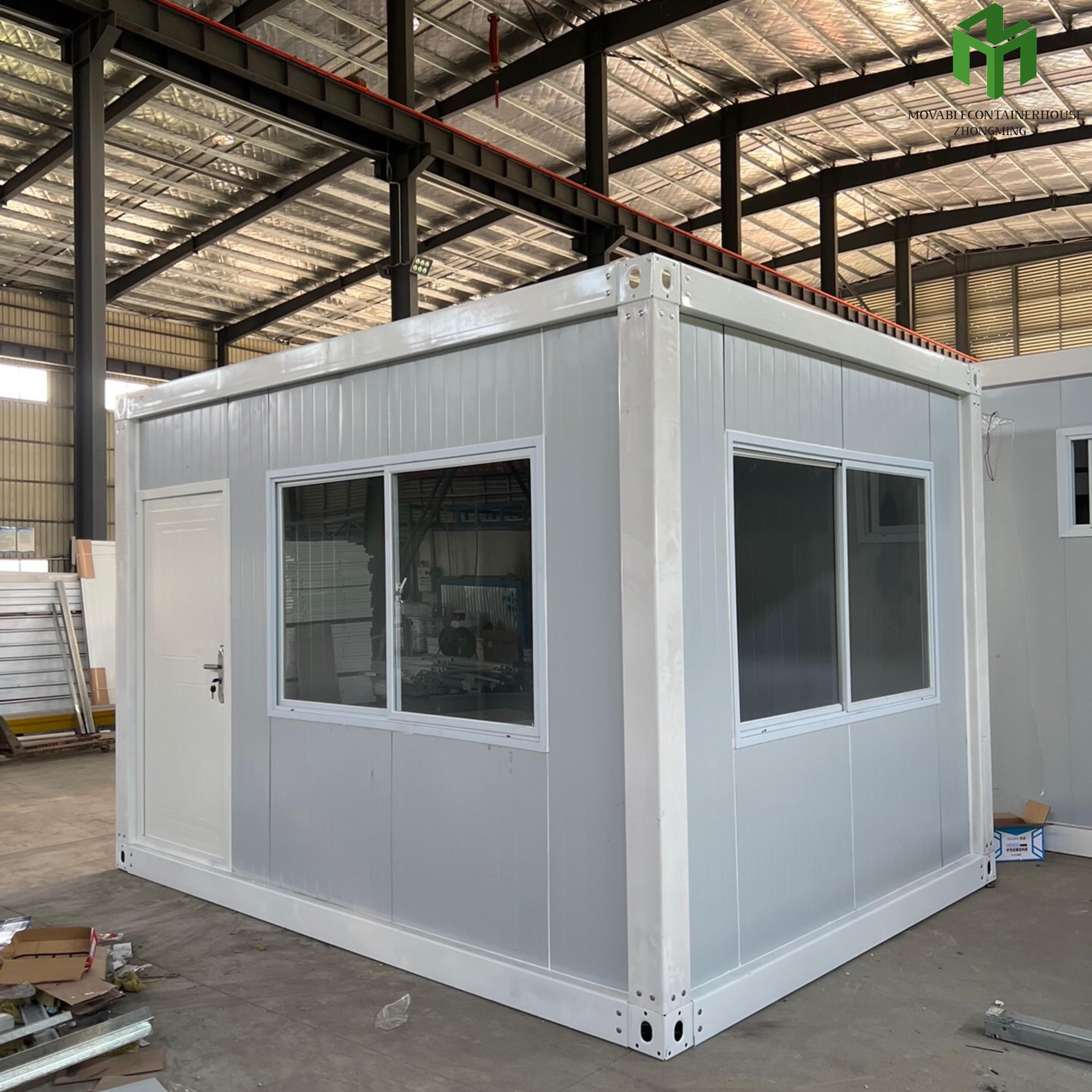
The integration of smart technology into residential construction has reached new heights with the emergence of intelligent modular container house solutions. These innovative structures combine the efficiency of prefabricated construction with cutting-edge automation systems, creating homes that adapt to modern living requirements. A modular container house equipped with smart technology offers unprecedented control over environmental conditions, security systems, and energy management, making it an ideal choice for contemporary homeowners seeking sustainable and efficient living solutions.

Smart technology implementation in prefabricated housing represents a significant advancement in construction methodology and residential automation. The modular container house design philosophy emphasizes efficiency, sustainability, and technological integration, creating living spaces that respond intelligently to occupant needs. These structures incorporate sophisticated sensors, automated systems, and connected devices that work seamlessly together to optimize comfort, security, and energy consumption throughout the dwelling.
Automated Climate Control Systems
Smart HVAC Integration
Modern climate control systems in a modular container house utilize advanced sensors and machine learning algorithms to maintain optimal indoor conditions automatically. These systems monitor temperature, humidity, and air quality continuously, adjusting heating and cooling output based on occupancy patterns and external weather conditions. The integration includes programmable thermostats, zone-based temperature control, and air filtration systems that respond to real-time environmental data.
Smart HVAC systems in prefabricated structures offer significant energy savings through predictive algorithms that learn occupant behavior patterns. The technology can pre-cool or pre-heat spaces based on scheduled activities, reducing energy consumption while maintaining comfort levels. Advanced air circulation systems ensure consistent temperature distribution throughout the modular container house, eliminating hot and cold spots common in traditional construction.
Energy-Efficient Ventilation
Intelligent ventilation systems integrated into modular container house designs feature automated air exchange controls that monitor indoor air quality and adjust ventilation rates accordingly. These systems incorporate CO2 sensors, volatile organic compound detectors, and particulate matter monitors to ensure healthy indoor environments. Heat recovery ventilators capture thermal energy from exhaust air, reducing heating and cooling loads significantly.
The ventilation technology includes smart dampers and variable-speed fans that respond to occupancy levels and indoor air quality measurements. During periods of low occupancy, the system reduces ventilation rates to conserve energy while maintaining minimum air quality standards. Advanced filtration systems remove allergens, pollutants, and pathogens from incoming fresh air, creating healthier living environments within the modular container house.
Integrated Security and Monitoring
Smart Access Control
Access control systems in intelligent modular container house installations feature biometric scanners, smart locks, and mobile app integration for comprehensive security management. These systems allow homeowners to grant temporary access to visitors, monitor entry and exit activities, and receive real-time notifications of security events. Multi-factor authentication ensures that only authorized individuals can access the dwelling.
The security technology includes facial recognition cameras, fingerprint scanners, and proximity card readers that integrate with central monitoring systems. Smart doorbells with video capability allow remote communication with visitors, while automated lighting systems create the impression of occupancy during extended absences. The modular container house security infrastructure connects to professional monitoring services for enhanced protection.
Surveillance and Perimeter Protection
Comprehensive surveillance systems integrated into modular container house designs include high-definition cameras with night vision capability, motion detection sensors, and automated alert systems. These components work together to create multiple layers of security protection around the property perimeter and interior spaces. Cloud-based storage systems ensure that security footage remains accessible even if local equipment is compromised.
Advanced motion detection algorithms distinguish between legitimate activities and potential security threats, reducing false alarms while maintaining vigilant monitoring. Perimeter sensors detect intrusion attempts before they reach the dwelling, triggering appropriate response protocols. The integrated security system communicates with local law enforcement agencies and security companies for rapid response to emergency situations.
Home Automation and Control Systems
Centralized Smart Hub Integration
The heart of smart technology in a modular container house lies in centralized control systems that coordinate all automated functions. These hubs communicate with various smart devices throughout the structure, creating a unified ecosystem that responds to voice commands, mobile app controls, and programmed schedules. The integration allows for complex automation scenarios that involve multiple systems working in coordination.
Smart hub technology enables remote monitoring and control of all house systems from anywhere in the world through internet connectivity. Homeowners can adjust lighting, temperature, security settings, and appliance operations using smartphone applications or web interfaces. The centralized system also provides detailed analytics on energy consumption, system performance, and usage patterns to optimize efficiency and identify maintenance needs.
Automated Lighting and Electrical Systems
Intelligent lighting systems in modular container house installations feature LED fixtures with dimming capability, color temperature adjustment, and occupancy-based controls. These systems automatically adjust brightness levels based on natural light availability, time of day, and room occupancy. Circadian rhythm lighting programs support healthy sleep patterns by mimicking natural daylight cycles throughout indoor spaces.
Smart electrical systems include automated outlet controls, surge protection, and load management capabilities that optimize power distribution throughout the dwelling. Emergency backup systems ensure continued operation of critical systems during power outages. The electrical infrastructure incorporates renewable energy integration points for solar panels and battery storage systems, supporting sustainable energy goals within the modular container house design.
Water Management and Conservation
Smart Plumbing Systems
Water management technology in modular container house construction includes smart meters, leak detection sensors, and automated shut-off valves that prevent water damage and conserve resources. These systems monitor water usage patterns, detect abnormal consumption levels, and alert homeowners to potential issues before they become costly problems. Smart water heaters adjust heating schedules based on usage patterns to minimize energy consumption.
Advanced plumbing systems feature temperature control valves that prevent scalding, water pressure regulators that maintain consistent flow rates, and filtration systems that ensure clean drinking water throughout the dwelling. Smart irrigation controllers manage exterior landscaping needs based on weather forecasts, soil moisture levels, and plant requirements. The integrated water management system provides detailed consumption reports and conservation recommendations.
Greywater Recycling Technology
Sustainable water practices in modular container house designs include greywater recycling systems that treat and reuse water from sinks, showers, and laundry facilities. These systems incorporate biological treatment processes, filtration stages, and disinfection protocols to produce water suitable for irrigation and non-potable applications. Smart controls monitor water quality parameters and adjust treatment processes automatically.
Rainwater harvesting systems complement greywater recycling by capturing precipitation for landscape irrigation and emergency water supplies. Smart pumps and distribution systems ensure proper water pressure and flow rates for recycled water applications. The water recycling technology includes storage tanks with level monitoring, backup systems for treatment equipment failures, and integration with municipal water supplies for periods of high demand.
Energy Management and Sustainability
Solar Power Integration
Renewable energy systems integrated into modular container house designs feature high-efficiency solar panels, smart inverters, and battery storage systems that provide reliable, sustainable power generation. These systems include maximum power point tracking technology that optimizes energy harvesting throughout varying weather conditions. Smart energy management systems prioritize renewable energy usage while maintaining grid connectivity for backup power needs.
Solar power systems incorporate predictive algorithms that forecast energy production based on weather patterns, seasonal variations, and historical performance data. Battery storage systems store excess energy during peak production periods for use during nighttime hours or cloudy weather conditions. The integrated energy management system can sell excess power back to utility companies through net metering programs, generating additional income for homeowners.
Energy Monitoring and Optimization
Comprehensive energy monitoring systems in modular container house installations track consumption patterns across all electrical circuits, appliances, and systems. Real-time data analysis identifies energy waste opportunities and suggests optimization strategies to reduce utility costs. Smart load balancing prevents electrical overloads while maximizing the efficiency of renewable energy systems and battery storage capacity.
Advanced energy management includes demand response capabilities that adjust consumption patterns during peak utility pricing periods. Smart appliances communicate with the energy management system to schedule operation during low-cost electricity periods. The monitoring system provides detailed reports on energy usage trends, cost savings achieved through smart technology implementation, and environmental impact reduction within the modular container house.
Communication and Connectivity Infrastructure
High-Speed Internet and Networking
Modern modular container house designs incorporate comprehensive networking infrastructure that supports high-speed internet connectivity, wireless communication systems, and smart device integration throughout the dwelling. Fiber optic cabling, wireless access points, and cellular signal boosters ensure reliable connectivity for remote work, entertainment, and smart home system operation. Network redundancy features prevent connectivity interruptions that could affect automated systems.
Structured cabling systems support future technology upgrades and expansion while maintaining clean, organized installations within the prefabricated structure. Smart networking equipment includes managed switches, security appliances, and quality of service controls that prioritize critical system communications over entertainment traffic. The networking infrastructure supports video conferencing, cloud computing, and internet of things device connectivity requirements.
Smart Entertainment and Media Systems
Integrated entertainment systems in modular container house installations feature distributed audio and video systems, smart TVs, and streaming media players that provide seamless entertainment experiences throughout the dwelling. Voice-controlled assistants integrate with entertainment systems to provide hands-free operation and content selection. Multi-room audio systems allow synchronized or independent music playback in different areas.
Home theater systems include automated projection equipment, motorized screens, and acoustic treatments optimized for the container structure dimensions. Smart media servers store and distribute digital content throughout the home network while supporting multiple simultaneous streams. The entertainment technology integrates with lighting and climate control systems to create immersive viewing environments automatically.
FAQ
How reliable are smart systems in prefabricated container structures
Smart technology systems integrated into modular container house construction demonstrate exceptional reliability due to factory-controlled installation environments and standardized component integration. The prefabricated nature of these structures allows for extensive testing of all systems before delivery, ensuring proper operation from the moment of installation. Quality control measures during manufacturing eliminate many installation errors common in traditional construction, while standardized wiring and component layouts simplify maintenance and troubleshooting procedures.
What maintenance requirements exist for smart container house systems
Maintenance requirements for smart systems in modular container house installations typically involve routine software updates, sensor calibration, and preventive component replacement according to manufacturer schedules. Most smart systems include self-diagnostic capabilities that alert homeowners to maintenance needs before system failures occur. Professional maintenance contracts often cover complex system servicing, while homeowners can handle basic tasks like filter changes, battery replacements, and software updates through user-friendly interfaces.
How do smart systems affect the cost of container house ownership
Smart technology integration in modular container house designs typically reduces long-term ownership costs through energy savings, preventive maintenance alerts, and automated system optimization. While initial technology investment increases upfront costs, most smart systems pay for themselves within three to seven years through reduced utility bills, insurance discounts, and maintenance cost avoidance. Energy management systems alone often provide twenty to thirty percent reductions in utility expenses compared to conventional homes.
Can smart technology be upgraded in existing container houses
Existing modular container house structures can accommodate smart technology upgrades through retrofitting processes, though the extent of integration depends on existing electrical and networking infrastructure. Many smart systems require minimal structural modifications and can be installed through surface-mounted wiring and wireless communication protocols. However, comprehensive smart home integration is most cost-effective when planned during initial construction phases of the modular container house project.