
 EN
EN

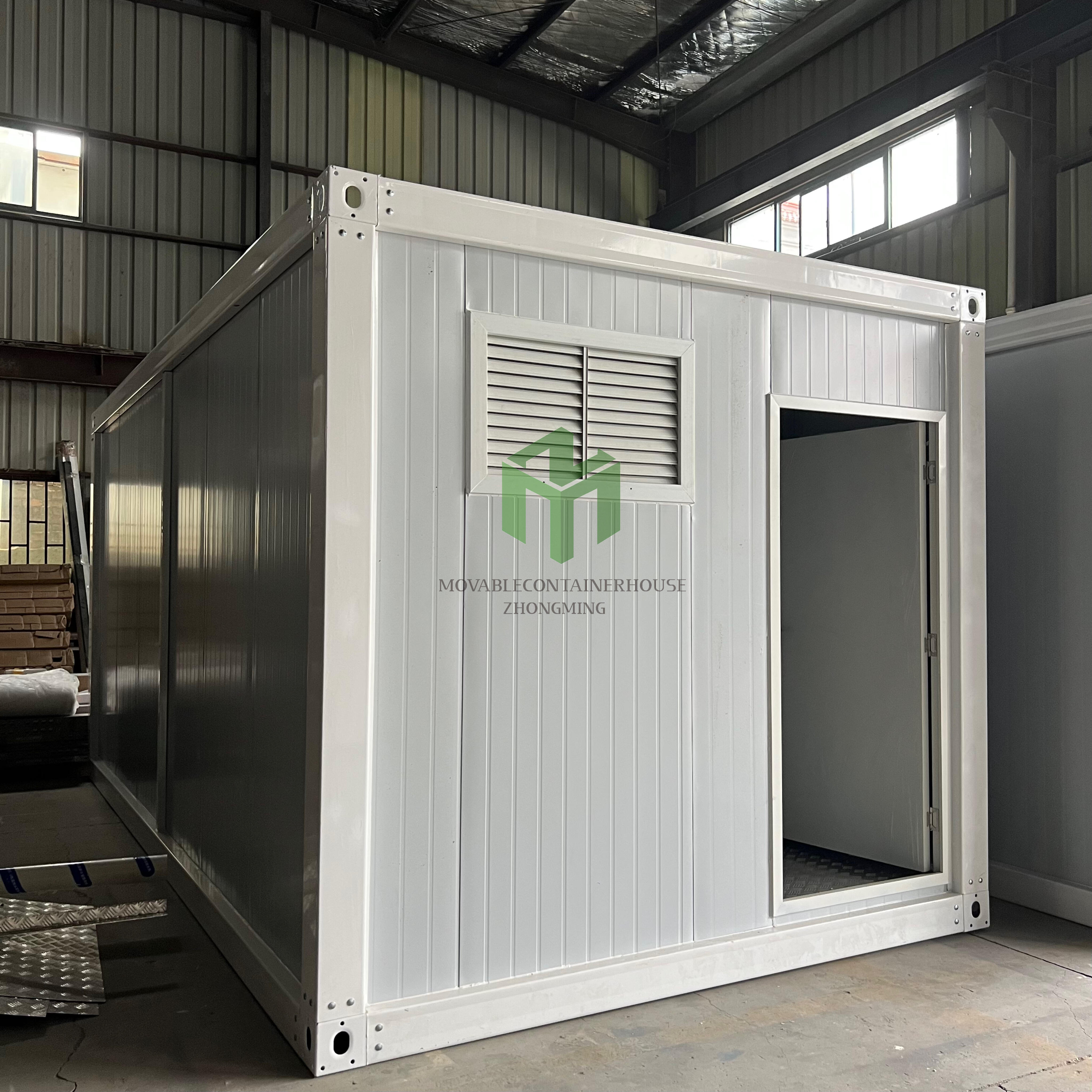
The modern construction industry has witnessed a remarkable transformation with the emergence of sustainable and innovative building solutions. Among these revolutionary approaches, the container prefabricated house has gained significant attention from architects, developers, and homeowners seeking efficient alternatives to traditional construction methods. These structures combine the durability of shipping containers with contemporary design principles, creating versatile living spaces that cater to diverse architectural preferences and functional requirements.

Contemporary Minimalist Design Approach
Clean Lines and Open Floor Plans
The minimalist design philosophy has found perfect expression in container prefabricated house construction, emphasizing simplicity and functionality. This approach focuses on creating uncluttered spaces with clean geometric lines that highlight the industrial heritage of shipping containers while transforming them into sophisticated living environments. Contemporary minimalist designs typically feature large windows that maximize natural light penetration, creating bright and airy interiors that counteract the compact nature of container structures.
Open floor plans are fundamental to minimalist container prefabricated house designs, removing unnecessary partitions to create fluid living spaces. These layouts often integrate kitchen, dining, and living areas into cohesive zones, maximizing the perceived space within the container's dimensions. The strategic placement of glass panels and sliding doors enhances the sense of openness while maintaining structural integrity and weather resistance.
Material Selection and Color Schemes
Material choices in minimalist container prefabricated house designs prioritize quality over quantity, featuring premium finishes that complement the industrial aesthetic. Natural materials such as bamboo flooring, stone countertops, and wood accents create warmth while maintaining the clean architectural lines. The color palette typically consists of neutral tones including whites, grays, and earth tones that enhance the sense of space and light within the container structure.
Exterior treatments often preserve the original container appearance through strategic color applications or weathering steel finishes that develop attractive patinas over time. Interior surfaces utilize light-colored materials and reflective elements to amplify natural lighting and create visual depth within the confined space of a container prefabricated house.
Industrial Chic Aesthetic Elements
Exposed Structural Components
Industrial chic design celebrates the raw beauty of structural elements, making them integral parts of the aesthetic appeal in container prefabricated house projects. This design approach embraces exposed corrugated walls, visible steel beams, and original container markings as decorative features rather than elements to be concealed. The industrial heritage becomes a focal point that adds character and authenticity to the living space.
Designers often incorporate additional industrial elements such as exposed ductwork, metal fixtures, and Edison bulb lighting to enhance the authentic industrial atmosphere. These features create visual interest while maintaining the functional simplicity that defines the container prefabricated house concept. The interplay between raw materials and refined finishes creates sophisticated spaces that honor the container's original purpose while serving contemporary residential needs.
Urban Loft Inspiration
Drawing inspiration from urban loft conversions, industrial chic container prefabricated house designs incorporate high ceilings through creative modifications or stacking arrangements. These modifications may include removing portions of the container ceiling to create double-height spaces or connecting multiple containers vertically to achieve loft-like proportions. The resulting spaces capture the essence of converted warehouses and industrial buildings.
Furniture selection emphasizes pieces with industrial origins or aesthetics, including metal and leather combinations, vintage machinery repurposed as decorative elements, and reclaimed wood furnishings. These choices reinforce the industrial theme while providing functional living solutions that complement the container prefabricated house environment.
Sustainable Green Design Integration
Eco-Friendly Building Systems
Environmental consciousness drives many container prefabricated house projects toward sustainable design solutions that minimize ecological impact while maximizing energy efficiency. Green roofing systems transform container tops into living gardens that provide insulation, manage stormwater, and create additional outdoor living spaces. These installations require structural reinforcement but offer significant environmental benefits and aesthetic appeal.
Solar panel integration has become increasingly popular in container prefabricated house designs, with panels mounted on rooftops or adjacent structures to provide renewable energy. Battery storage systems often accompany solar installations, creating off-grid capabilities that enhance the sustainability and independence of container housing projects. These systems align with the mobility and self-sufficiency concepts inherent in container architecture.
Natural Ventilation and Lighting Solutions
Passive design strategies optimize natural ventilation and lighting in container prefabricated house projects through strategic window placement and ventilation systems. Cross-ventilation techniques utilize the container's linear form to create efficient airflow patterns that reduce mechanical cooling requirements. Clerestory windows and skylights introduce natural light deep into container interiors while maintaining privacy and security.
Living walls and integrated planters bring natural elements into container prefabricated house interiors, improving air quality and creating connections with nature. These features may be incorporated into partition walls, exterior facades, or dedicated growing areas that serve both aesthetic and functional purposes within the compact living environment.
Modern Luxury Design Features
Premium Finishes and Smart Technology
Luxury container prefabricated house designs elevate the concept through premium materials and sophisticated technology integration. High-end finishes include marble surfaces, hardwood flooring, designer fixtures, and custom millwork that transforms industrial containers into elegant residences. These upgrades require careful planning to accommodate the structural limitations while achieving luxury aesthetic standards.
Smart home technology integration includes automated lighting systems, climate control, security monitoring, and entertainment systems that can be controlled through mobile applications. These technological enhancements provide convenience and efficiency while maintaining the compact footprint that defines container prefabricated house living. Advanced insulation systems and energy-efficient appliances ensure comfort without compromising sustainability goals.
Spatial Expansion Techniques
Luxury designs often incorporate expansion techniques that increase living space beyond the standard container dimensions. Slide-out sections, fold-down decks, and modular additions create flexible living areas that can be adjusted based on specific needs or occasions. These mechanical systems require sophisticated engineering but provide significant lifestyle enhancements for container prefabricated house residents.
Multi-container configurations create luxury residences with multiple bedrooms, bathrooms, and specialized spaces such as home offices or entertainment areas. These arrangements require careful planning of connections, utilities, and structural considerations but result in spacious homes that rival traditional construction while maintaining the container prefabricated house advantages of efficiency and sustainability.
Rustic Farmhouse Container Adaptations
Traditional Aesthetic Elements
Rustic farmhouse design adapts beautifully to container prefabricated house projects through the integration of traditional architectural elements and natural materials. Wood siding applications over container exteriors create authentic farmhouse appearances while providing additional insulation and weather protection. Gabled roof additions, front porches, and decorative trim work transform industrial containers into charming rural residences.
Interior treatments emphasize reclaimed wood, stone accents, and vintage fixtures that create cozy, welcoming atmospheres within container spaces. Shiplap wall treatments, barn door hardware, and farmhouse-style lighting fixtures establish authentic rustic aesthetics while accommodating the structural requirements of container prefabricated house construction.
Outdoor Living Integration
Farmhouse-style container prefabricated house designs emphasize outdoor living through covered porches, decks, and patio areas that extend the functional living space. These additions often incorporate traditional materials such as wood and stone to maintain aesthetic consistency while providing weather protection and outdoor entertainment areas. Gardens and landscaping elements complement the rural theme and enhance the overall property appeal.
Outbuilding integration may include storage sheds, workshops, or animal shelters that complement the main container prefabricated house while serving practical rural living needs. These structures often utilize matching materials and design elements to create cohesive farmhouse compounds that maximize property functionality and aesthetic appeal.
FAQ
What are the most popular design styles for container prefabricated houses
The most popular design styles include contemporary minimalist approaches that emphasize clean lines and open spaces, industrial chic designs that celebrate the container's original character, sustainable green integration focusing on environmental responsibility, modern luxury featuring premium finishes and smart technology, and rustic farmhouse adaptations that blend traditional aesthetics with container efficiency. Each style offers unique advantages and appeals to different lifestyle preferences while maintaining the fundamental benefits of container prefabricated house construction.
How do design choices affect the cost of a container prefabricated house
Design complexity significantly impacts container prefabricated house costs, with minimalist approaches typically being the most budget-friendly option. Luxury finishes, smart home technology, structural modifications, and multi-container configurations increase expenses substantially. Sustainable features like solar panels and green roofs require initial investments but provide long-term savings. The choice of materials, window sizes and quantities, and mechanical systems all influence the final project cost while determining the aesthetic outcome and functionality of the container prefabricated house.
Can container prefabricated houses accommodate different architectural styles effectively
Container prefabricated houses demonstrate remarkable adaptability to various architectural styles through creative design approaches and material applications. The rectangular form provides an excellent foundation for modern and minimalist designs while accommodating traditional elements through exterior treatments and interior modifications. Successful style adaptation requires understanding the structural limitations and opportunities inherent in container construction while applying appropriate design elements that achieve the desired aesthetic without compromising functionality or safety standards.
What design considerations are unique to container prefabricated house projects
Unique design considerations include working within fixed dimensional constraints, addressing thermal bridging through proper insulation strategies, accommodating the corrugated wall texture in interior treatments, ensuring adequate natural lighting in narrow spaces, and managing moisture control in metal structures. Designers must also consider the placement of utilities, structural modifications for windows and doors, and the integration of multiple containers when creating larger living spaces. These factors require specialized knowledge and creative problem-solving to achieve successful container prefabricated house outcomes that meet both aesthetic and functional requirements.
Table of Contents
- Contemporary Minimalist Design Approach
- Industrial Chic Aesthetic Elements
- Sustainable Green Design Integration
- Modern Luxury Design Features
- Rustic Farmhouse Container Adaptations
-
FAQ
- What are the most popular design styles for container prefabricated houses
- How do design choices affect the cost of a container prefabricated house
- Can container prefabricated houses accommodate different architectural styles effectively
- What design considerations are unique to container prefabricated house projects