
 EN
EN

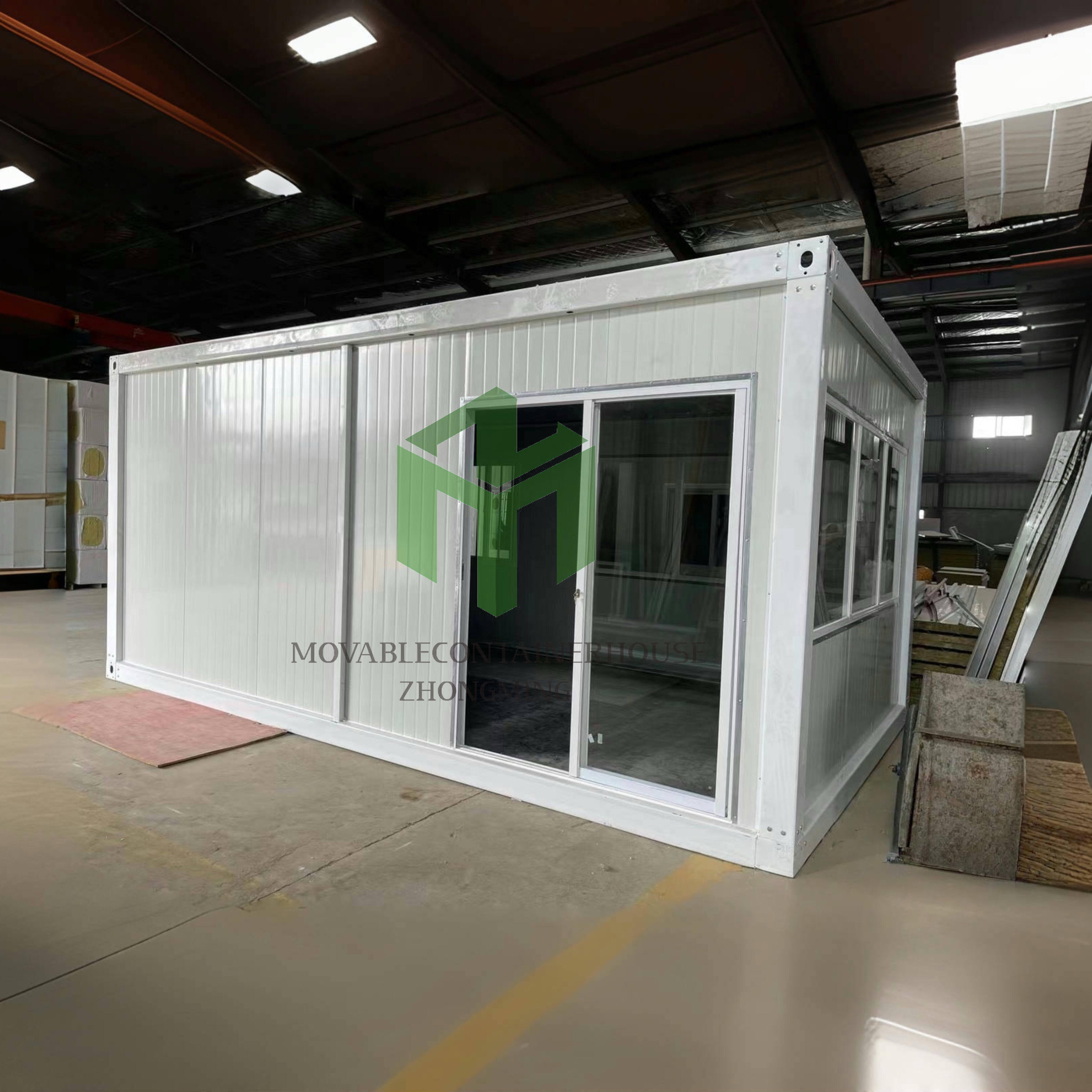
The modern housing crisis has prompted innovative solutions, with the container prefabricated house emerging as a compelling alternative to traditional construction methods. These revolutionary living spaces transform shipping containers into functional, comfortable homes that challenge conventional notions of residential architecture. As housing costs continue to escalate globally, more individuals and families are exploring whether a container prefabricated house can serve as a viable long-term residence rather than just a temporary solution.
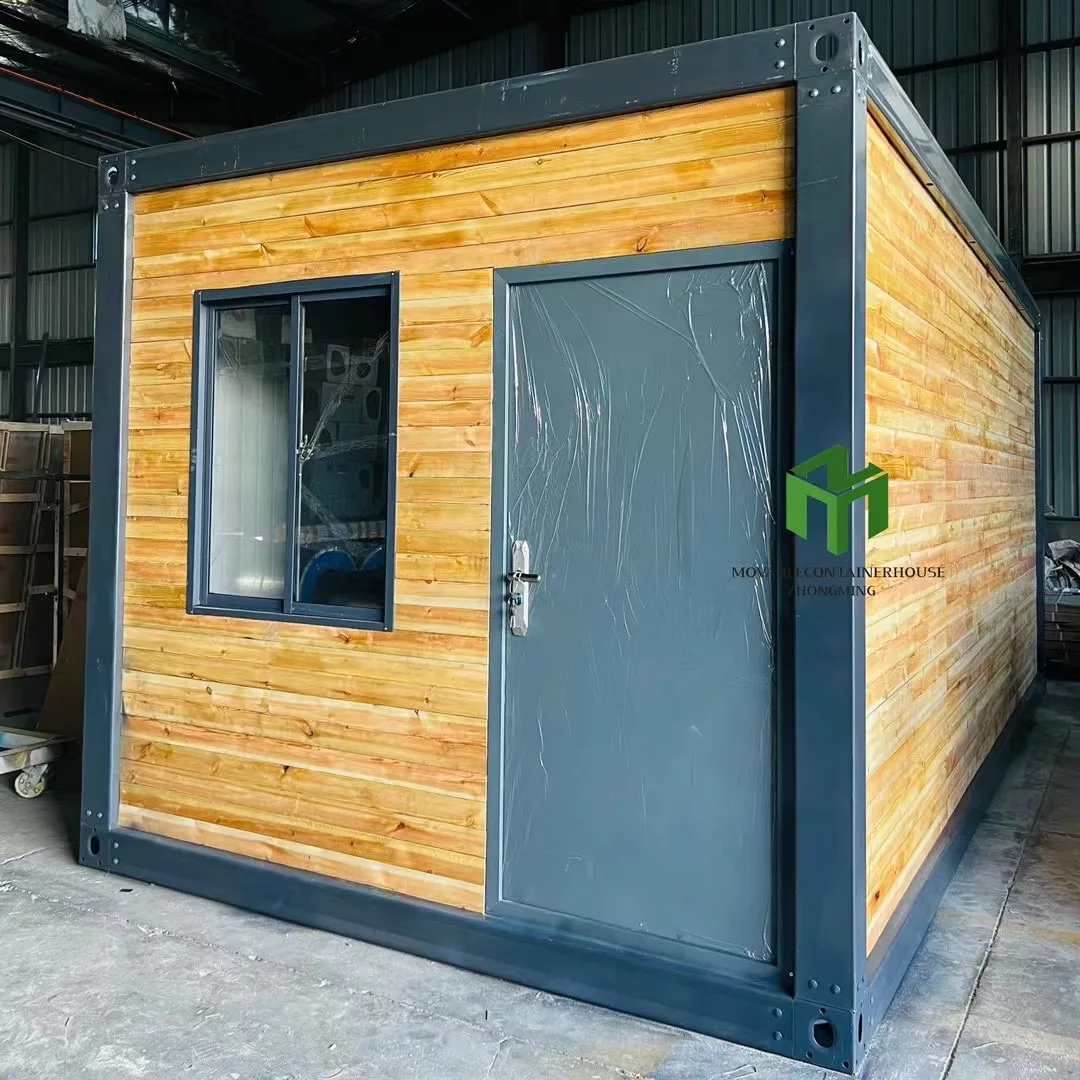
The growing popularity of container homes stems from their unique combination of affordability, sustainability, and design flexibility. Unlike traditional construction that can take months or years to complete, a container prefabricated house can be fabricated off-site and installed within weeks. This efficiency appeals to homeowners seeking faster occupancy timelines while maintaining quality construction standards. The steel structure of shipping containers provides exceptional durability, often exceeding the lifespan of conventional building materials when properly maintained and treated.
Environmental consciousness plays a significant role in the appeal of container housing solutions. Each container prefabricated house represents the recycling of materials that might otherwise contribute to industrial waste. This sustainable approach resonates with environmentally aware consumers who want to minimize their ecological footprint without compromising on living comfort. The modular nature of container construction also allows for future expansion or reconfiguration, providing adaptability that traditional homes often lack.
Structural Integrity and Durability Considerations
Foundation and Support Systems
The structural foundation of a container prefabricated house requires careful engineering to ensure long-term stability and safety. Professional contractors must address the unique weight distribution characteristics of shipping containers, which concentrate loads at specific corner points. Proper foundation design typically involves reinforced concrete pads or continuous footings that adequately distribute these concentrated loads across the ground surface. This foundation work is crucial for preventing settling, structural damage, or moisture infiltration that could compromise the home's integrity over time.
Steel frame reinforcement often becomes necessary when modifying containers for residential use, particularly when creating large openings for windows and doors. The original container structure provides excellent strength for stacking and transportation, but residential modifications can compromise this inherent strength. Professional structural engineers evaluate each container prefabricated house design to determine appropriate reinforcement strategies, ensuring the modified structure meets local building codes and safety requirements for permanent residential occupancy.
Weather Resistance and Climate Adaptation
Long-term habitability of a container prefabricated house depends significantly on proper weatherization and climate control systems. The steel construction of shipping containers can create challenges with thermal bridging, where exterior temperatures readily transfer through the metal walls to interior spaces. Effective insulation strategies, including spray foam or rigid board insulation, help break these thermal bridges while providing adequate R-values for year-round comfort in various climate conditions.
Condensation management becomes particularly important in container housing due to the impermeable nature of steel walls. Without proper vapor barriers and ventilation systems, moisture can accumulate within wall cavities, leading to mold growth or structural corrosion over time. A well-designed container prefabricated house incorporates mechanical ventilation systems that maintain appropriate humidity levels while ensuring adequate air exchange rates for healthy indoor air quality during extended occupancy periods.
Interior Design and Space Optimization
Layout Planning and Room Configuration
Maximizing livable space within the confines of a container prefabricated house requires thoughtful interior design and efficient space utilization strategies. Standard shipping containers provide approximately 160 square feet of floor space in a 20-foot unit or 320 square feet in a 40-foot unit, dimensions that challenge traditional room layouts. Successful container home designs often employ open-concept layouts that eliminate unnecessary walls while creating distinct functional zones through furniture placement, lighting, and material changes.
Multi-functional furniture and built-in storage solutions become essential elements in container home design, allowing residents to maintain comfortable living standards within limited square footage. Murphy beds, fold-down desks, and integrated storage systems help maximize floor space during daily activities while providing necessary amenities for long-term living. The narrow width of most containers, typically 8 feet, influences furniture selection and placement, often requiring custom-built solutions or carefully selected compact appliances and fixtures.
Natural Light and Ventilation Strategies
Creating adequate natural light and ventilation within a container prefabricated house requires strategic placement of windows, doors, and skylights to overcome the inherent limitations of the steel box structure. The solid steel walls of shipping containers naturally restrict light penetration, making artificial lighting necessary throughout much of the interior space. Designers often incorporate large windows or glass doors along the length of containers to maximize natural light while maintaining structural integrity.
Cross-ventilation becomes crucial for maintaining comfortable indoor conditions, particularly in warmer climates where the steel structure can absorb and retain significant heat. Effective ventilation design includes strategically placed operable windows, exhaust fans, and sometimes clerestory windows or skylights that promote natural air circulation through stack effect principles. These ventilation strategies help reduce reliance on mechanical cooling systems while improving overall indoor air quality for long-term occupancy comfort.
Utility Integration and Infrastructure Requirements
Electrical and Plumbing Systems
Installing comprehensive utility systems within a container prefabricated house requires careful planning to accommodate electrical, plumbing, and HVAC infrastructure within the limited wall cavity space. Electrical systems must meet residential building codes while working around the steel frame structure that can interfere with standard wiring practices. Many container homes utilize surface-mounted conduit systems or strategically placed interior walls that house electrical panels, outlets, and lighting circuits without compromising the structural integrity of the container shell.
Plumbing installation presents unique challenges in container construction due to the need for adequate slope for drainage lines and access for future maintenance. Water supply lines can typically be routed through interior partition walls or ceiling spaces, but waste lines require more careful consideration of elevation changes and connection points. A well-designed container prefabricated house incorporates bathroom and kitchen locations that facilitate efficient plumbing runs while maintaining adequate water pressure and drainage performance.
Heating and Cooling Solutions
Climate control in a container prefabricated house requires systems appropriately sized for the unique thermal characteristics of steel construction. The high thermal conductivity of steel containers creates rapid temperature changes that can challenge conventional HVAC systems designed for traditional frame construction. Mini-split heat pump systems often provide effective heating and cooling for container homes, offering zone control capabilities that work well with open-concept layouts while providing high energy efficiency ratings.
Radiant heating systems, whether electric or hydronic, can provide comfortable and efficient heating in container homes while avoiding the ductwork requirements of forced-air systems. The thermal mass of concrete floors, often used in container construction, works well with radiant heating systems to provide consistent temperatures throughout the living space. Proper insulation remains critical for any heating or cooling system to operate efficiently in the challenging thermal environment of a container prefabricated house designed for year-round occupancy.
Legal and Regulatory Compliance
Building Codes and Permits
Navigating building codes and permit requirements for a container prefabricated house varies significantly by jurisdiction, with some areas embracing alternative construction methods while others maintain restrictive regulations. Many municipalities have updated their building codes to accommodate container construction, but others still classify these structures as temporary or commercial buildings rather than permanent residential housing. Prospective container homeowners must research local zoning restrictions, building permit requirements, and inspection processes before committing to container construction projects.
Professional architectural and engineering services often become necessary to ensure container home designs meet local building codes and safety requirements. These professionals can provide stamped drawings and structural calculations that demonstrate compliance with residential construction standards, facilitating permit approval and final occupancy certificates. The investment in professional design services typically proves worthwhile for homeowners planning long-term occupancy of their container prefabricated house, ensuring legal compliance and structural safety.
Insurance and Financing Considerations
Securing appropriate insurance coverage and financing for a container prefabricated house can present challenges due to the non-traditional nature of container construction. Many insurance companies treat container homes as specialty or alternative construction, potentially affecting coverage options and premium rates. Homeowners should work with insurance agents familiar with alternative construction methods to secure adequate coverage for both the structure and contents of their container home.
Traditional mortgage financing may not be available for container homes, particularly those classified as manufactured or modular housing rather than site-built construction. Alternative financing options, including construction loans, personal loans, or specialized lenders familiar with container construction, may be necessary for container home purchases. The resale value and market acceptance of container homes continue to evolve, factors that lenders consider when evaluating financing applications for container prefabricated house projects.
FAQ
How long can a container prefabricated house last with proper maintenance
A properly constructed and maintained container prefabricated house can last 50 years or more, comparable to traditional residential construction. The steel structure of shipping containers provides excellent durability when protected from corrosion through appropriate coatings and moisture management. Regular maintenance, including repainting every 10-15 years and prompt repair of any damaged protective coatings, helps ensure the structural integrity remains sound for decades of occupancy.
What are the typical costs associated with converting a shipping container into a livable home
The total cost of creating a container prefabricated house typically ranges from $50,000 to $200,000, depending on size, finishes, and complexity of modifications. This includes the container purchase ($2,000-$8,000), structural modifications ($10,000-$30,000), insulation and interior finishing ($20,000-$50,000), and utility connections ($10,000-$25,000). Site preparation, permits, and professional services add additional costs that vary by location and project complexity.
Do container homes require special permits or face zoning restrictions
Permit requirements and zoning restrictions for container prefabricated house construction vary significantly by municipality and local building departments. Many areas now allow container construction under standard residential building codes, while others maintain restrictions or require special use permits. Prospective builders should consult with local planning departments early in the design process to understand specific requirements, setback restrictions, and architectural review processes that may apply to container home construction.
How do container homes perform in extreme weather conditions like hurricanes or earthquakes
Container prefabricated house structures generally perform well in extreme weather due to their robust steel construction and low profile design. The inherent strength of shipping containers, originally designed to withstand ocean transport stresses, provides excellent resistance to wind loads and seismic forces when properly anchored to appropriate foundations. However, large window or door openings may require additional structural reinforcement to maintain this strength advantage during extreme weather events.
Table of Contents
- Structural Integrity and Durability Considerations
- Interior Design and Space Optimization
- Utility Integration and Infrastructure Requirements
- Legal and Regulatory Compliance
-
FAQ
- How long can a container prefabricated house last with proper maintenance
- What are the typical costs associated with converting a shipping container into a livable home
- Do container homes require special permits or face zoning restrictions
- How do container homes perform in extreme weather conditions like hurricanes or earthquakes