
 EN
EN

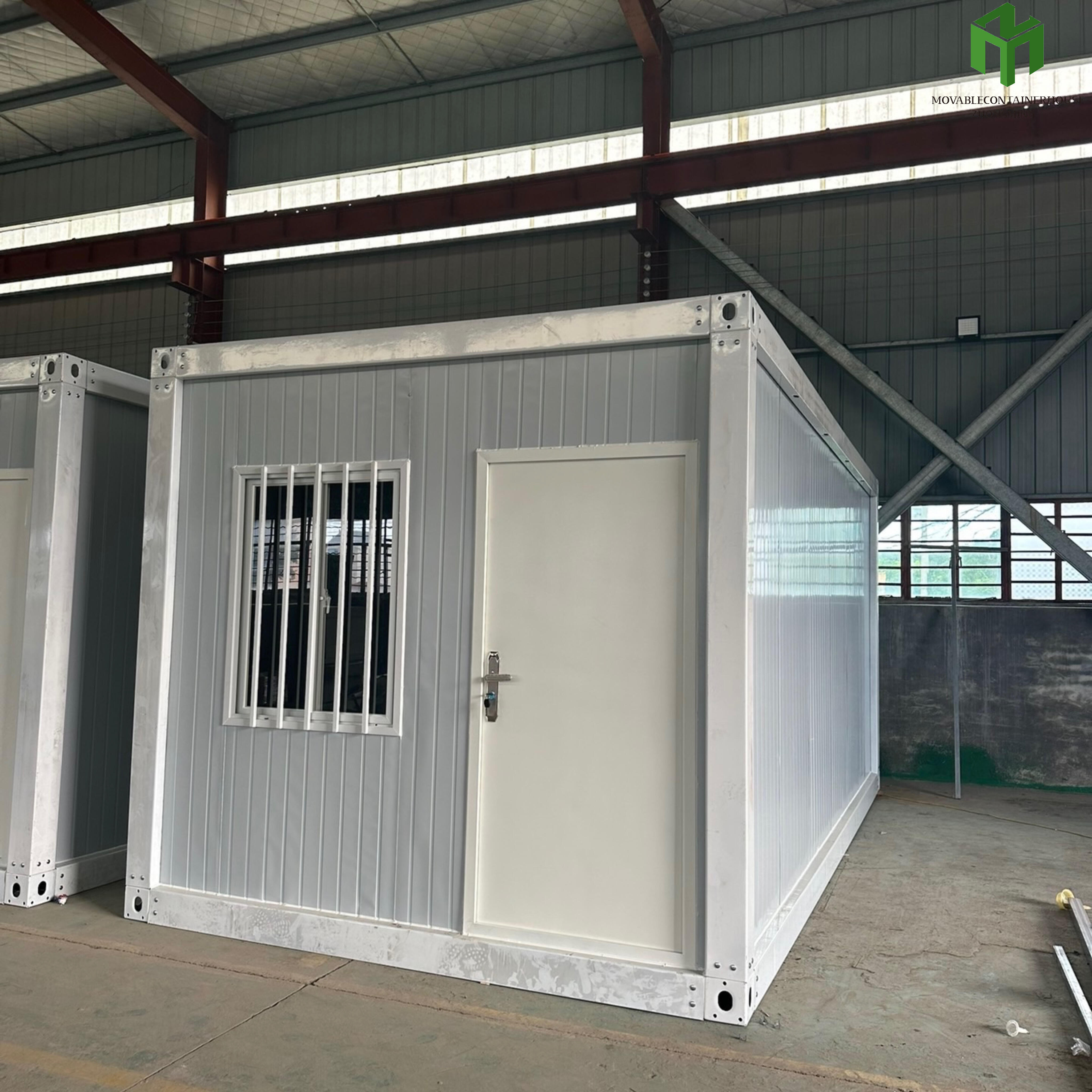
Selecting the right prefab container manufacturer represents a critical decision that can significantly impact your construction project's success, timeline, and overall cost-effectiveness. The growing popularity of prefabricated container solutions has led to an expanded marketplace filled with manufacturers offering varying levels of quality, service, and expertise. Understanding the key factors to evaluate when choosing a prefab container manufacturer ensures you partner with a company that can deliver durable, compliant, and cost-effective modular structures tailored to your specific requirements.
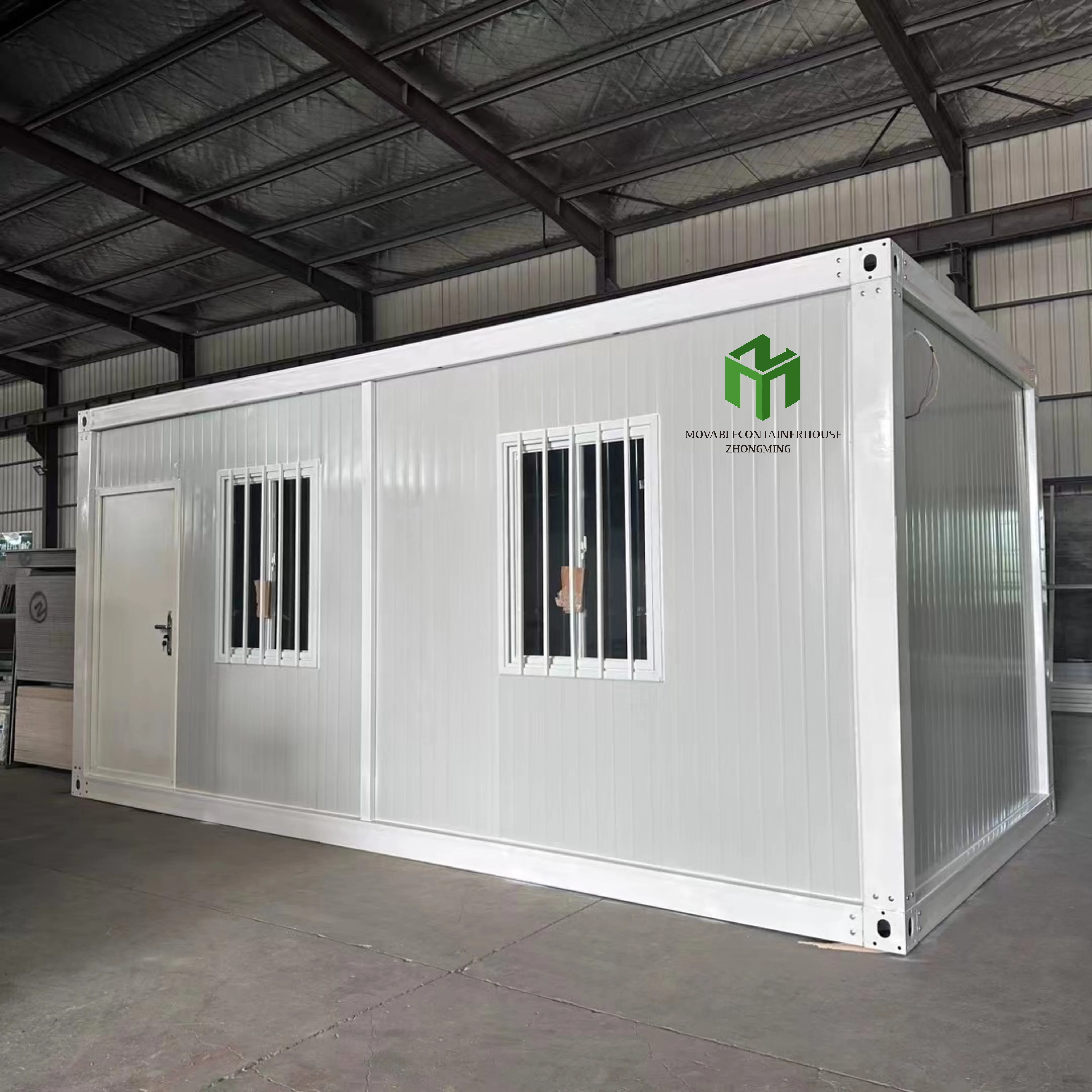
Modern prefabricated container construction has revolutionized the building industry by offering faster deployment times, reduced construction waste, and enhanced quality control through factory-based manufacturing processes. A qualified prefab container manufacturer should demonstrate comprehensive expertise in structural engineering, material selection, and regulatory compliance while maintaining competitive pricing and reliable delivery schedules.
Manufacturing Capabilities and Production Infrastructure
Factory Size and Equipment Standards
The manufacturing facility's size and equipment quality directly correlate with a prefab container manufacturer's ability to handle large orders and maintain consistent production standards. Modern facilities should feature automated welding systems, precision cutting equipment, and climate-controlled assembly areas that protect materials during the manufacturing process. Advanced manufacturers invest in computer-controlled machinery that ensures precise measurements and consistent quality across all units produced.
Production capacity represents another crucial consideration when evaluating potential partners. A reliable prefab container manufacturer should maintain sufficient production capacity to meet your project timeline without compromising quality standards. Inquire about their monthly production volumes, current order backlog, and ability to scale production for larger projects requiring multiple units within compressed timeframes.
Quality Control Systems and Testing Procedures
Comprehensive quality control systems distinguish professional prefab container manufacturer operations from less sophisticated competitors. Industry-leading manufacturers implement multi-stage inspection processes that verify structural integrity, electrical systems, plumbing installations, and finish quality before units leave the factory. These systems should include documented testing procedures for load-bearing capacity, weather resistance, and thermal performance.
Third-party certifications provide additional assurance regarding manufacturing quality and adherence to industry standards. Look for manufacturers who maintain ISO 9001 certification for quality management systems and comply with relevant building codes and safety standards. Documentation of testing results and certification records demonstrates transparency and commitment to delivering reliable products.
Material Selection and Structural Engineering
Steel Quality and Corrosion Resistance
The structural foundation of any prefabricated container depends heavily on steel quality and corrosion protection systems. A reputable prefab container manufacturer should utilize high-grade structural steel that meets or exceeds industry standards for strength and durability. Corten steel or properly treated carbon steel provides excellent longevity when combined with appropriate protective coatings and galvanization processes.
Corrosion resistance becomes particularly important for installations in coastal environments or areas with high humidity levels. Manufacturers should apply multi-layer coating systems that include primer, intermediate coats, and topcoats specifically formulated for container applications. The quality of these protective systems significantly impacts the long-term maintenance requirements and structural integrity of your prefabricated units.
Insulation Systems and Energy Efficiency
Effective insulation systems contribute significantly to the operational efficiency and occupant comfort of prefabricated container structures. Professional manufacturers should offer multiple insulation options including spray foam, rigid board, and reflective barriers designed for different climate conditions and intended uses. The insulation installation process requires precision to eliminate thermal bridging and ensure consistent R-values throughout the structure.
Energy efficiency considerations extend beyond insulation to include window selection, door sealing systems, and HVAC integration capabilities. A knowledgeable prefab container manufacturer should provide energy performance calculations and recommendations for optimizing thermal efficiency based on your specific climate zone and intended usage patterns.
Customization Capabilities and Design Flexibility
Architectural Modifications and Layout Options
The ability to accommodate custom architectural requirements separates versatile manufacturers from those offering only standard configurations. Experienced prefab container manufacturer companies maintain in-house design capabilities that can modify standard units to meet specific spatial requirements, aesthetic preferences, and functional needs. This includes structural modifications like window and door placement, interior wall configurations, and multi-unit connectivity options.
Design flexibility should extend to exterior finishing options that allow integration with existing architectural styles and local building aesthetics. Professional manufacturers offer various siding materials, roofing options, and color schemes while ensuring that modifications maintain structural integrity and comply with applicable building codes. The design process should include detailed drawings and specifications that clearly communicate the final product configuration.
Mechanical and Electrical System Integration
Comprehensive mechanical and electrical system integration capabilities indicate a prefab container manufacturer's technical sophistication and ability to deliver turn-key solutions. This includes pre-installed electrical panels, wiring harnesses, plumbing rough-ins, and HVAC system preparations that reduce on-site installation time and ensure proper system coordination. Advanced manufacturers can accommodate specialized electrical requirements like high-voltage equipment or data center installations.
The coordination between mechanical, electrical, and plumbing systems requires careful planning and execution to avoid conflicts and ensure optimal performance. Manufacturers should provide detailed system layouts and specifications that facilitate final connections and commissioning processes. This level of integration typically results in faster project completion and reduced coordination challenges during installation.
Regulatory Compliance and Certification Standards
Building Code Compliance and Permit Support
Building code compliance represents a fundamental requirement that every prefab container manufacturer must address to ensure legal installation and occupancy. Manufacturers should demonstrate familiarity with International Building Code requirements, local amendments, and specific regulations governing modular construction in your jurisdiction. This knowledge should extend to structural calculations, fire safety systems, accessibility requirements, and energy code compliance.
Permit support services can significantly streamline the approval process and reduce project delays. Professional manufacturers often maintain relationships with code officials and can provide stamped engineering drawings, compliance documentation, and technical support during the permit review process. This service level demonstrates the manufacturer's commitment to successful project completion beyond the manufacturing phase.
Third-Party Inspections and Certifications
Independent third-party inspections provide objective verification of manufacturing quality and code compliance. Reputable prefab container manufacturer operations welcome these inspections and maintain documentation demonstrating adherence to relevant standards. Common certifications include factory inspection reports, structural engineering certifications, and compliance with modular construction standards established by organizations like the Modular Building Institute.
Certification standards may vary by intended use, with different requirements for residential, commercial, and industrial applications. Manufacturers should clearly communicate which certifications apply to your specific project type and provide documentation supporting these claims. The availability of proper certifications can significantly impact project approval times and insurance considerations.
Project Management and Delivery Logistics
Timeline Management and Communication Systems
Effective project management capabilities distinguish professional prefab container manufacturer organizations from those that struggle with delivery commitments and client communication. Established manufacturers should provide detailed production schedules, milestone tracking systems, and regular progress updates throughout the manufacturing process. Clear communication protocols help identify potential delays early and allow for proactive schedule adjustments.
Timeline management extends beyond manufacturing to include coordination with transportation providers, site preparation requirements, and installation scheduling. Experienced manufacturers understand the interconnected nature of these activities and can provide comprehensive project schedules that account for all phases of delivery and installation. This holistic approach minimizes delays and reduces overall project duration.
Transportation and Installation Support
Transportation logistics represent a critical component of prefabricated container project success, requiring coordination between manufacturing completion and site readiness. Professional manufacturers typically maintain relationships with specialized transportation providers who understand the unique requirements of moving prefabricated structures safely and efficiently. This includes appropriate trailer selection, route planning, and permitting for oversized loads when necessary.
Installation support services can range from basic delivery to complete turnkey installation depending on the prefab container manufacturer's capabilities and project requirements. Some manufacturers provide installation crews and equipment while others focus on manufacturing and coordinate with local contractors for final placement and connection activities. Clear definition of installation responsibilities helps avoid confusion and ensures proper project completion.
Cost Structure and Financial Considerations
Transparent Pricing Models and Cost Breakdowns
Understanding the complete cost structure helps evaluate different prefab container manufacturer proposals and make informed purchasing decisions. Professional manufacturers should provide detailed pricing breakdowns that separate base unit costs from optional features, customization charges, and delivery expenses. This transparency allows for accurate budget planning and meaningful comparison between different suppliers.
Hidden costs can significantly impact project budgets and should be identified during the initial evaluation process. Common additional expenses include engineering fees, permit support services, site preparation requirements, and utility connection costs. Reputable manufacturers discuss these potential costs upfront and help clients understand the complete financial commitment required for project completion.
Payment Terms and Financing Options
Payment terms and financing arrangements can significantly impact cash flow requirements and project feasibility for many clients. Established prefab container manufacturer companies often offer flexible payment schedules that align with project milestones and delivery timelines. Standard arrangements might include deposits upon contract signing, progress payments during manufacturing, and final payments upon delivery or installation completion.
Some manufacturers maintain relationships with financing institutions that specialize in modular construction projects, potentially offering competitive rates and streamlined approval processes. These financing options can make prefabricated container projects accessible to clients who might otherwise struggle with the upfront capital requirements. Understanding available financing alternatives helps optimize project funding strategies.
Warranty Coverage and After-Sales Support
Comprehensive Warranty Programs
Warranty coverage demonstrates a prefab container manufacturer's confidence in their products and provides important protection for your investment. Comprehensive warranty programs should cover structural components, weatherproofing systems, mechanical installations, and electrical work for appropriate time periods. Structural warranties typically extend longer than component warranties, reflecting the different expected service lives of various building systems.
Warranty terms should clearly define coverage limitations, maintenance requirements, and claim procedures to avoid disputes during the warranty period. Professional manufacturers provide detailed warranty documentation that explains client responsibilities for routine maintenance and specifies which conditions might void warranty coverage. Understanding these terms helps protect your warranty rights and ensures proper building maintenance practices.
Technical Support and Maintenance Services
Ongoing technical support availability can prove invaluable for addressing questions and issues that arise after installation. Leading prefab container manufacturer organizations maintain customer service departments staffed with knowledgeable technicians who can provide guidance on maintenance procedures, troubleshooting assistance, and recommendations for system upgrades or modifications. This support should remain available throughout the warranty period and potentially beyond.
Maintenance services may include routine inspections, preventive maintenance programs, and repair services performed by manufacturer-trained technicians. These services help ensure optimal building performance and can extend the service life of critical building systems. The availability of manufacturer-supported maintenance programs provides assurance that qualified service remains accessible when needed.
FAQ
How long does it typically take for a prefab container manufacturer to complete an order
Standard prefabricated container units typically require 4-8 weeks for manufacturing completion, depending on customization requirements and current production schedules. Complex custom designs or large multi-unit projects may extend this timeline to 10-12 weeks. Factors affecting production time include material availability, weather conditions, and the manufacturer's current order backlog. Established manufacturers should provide realistic timeline estimates during the initial consultation process.
What certifications should I look for when selecting a prefab container manufacturer
Key certifications include ISO 9001 for quality management systems, structural engineering stamps for load calculations, and compliance certifications for relevant building codes. Factory inspection reports from independent third parties provide additional assurance of manufacturing quality. Manufacturers serving specific markets may hold specialized certifications like ANSI/AISC standards for steel construction or energy efficiency certifications for green building applications.
Can prefab container manufacturers accommodate utility connections and mechanical systems
Professional manufacturers typically provide pre-installed electrical panels, plumbing rough-ins, and HVAC preparations that facilitate final utility connections. The extent of mechanical system integration varies by manufacturer, with some offering complete turnkey installations including heating, cooling, and electrical systems. Site-specific utility connections usually require coordination with local contractors and utility companies regardless of the manufacturer's capabilities.
What factors most significantly impact the cost of prefabricated container structures
Major cost drivers include unit size, customization complexity, insulation specifications, mechanical system integration, and finish quality levels. Transportation distance and site accessibility can also significantly impact delivered costs. Premium features like high-end finishes, specialized electrical systems, or complex architectural modifications typically add 20-40% to base unit pricing. Volume discounts may be available for multi-unit projects or repeat customers.
Table of Contents
- Manufacturing Capabilities and Production Infrastructure
- Material Selection and Structural Engineering
- Customization Capabilities and Design Flexibility
- Regulatory Compliance and Certification Standards
- Project Management and Delivery Logistics
- Cost Structure and Financial Considerations
- Warranty Coverage and After-Sales Support
-
FAQ
- How long does it typically take for a prefab container manufacturer to complete an order
- What certifications should I look for when selecting a prefab container manufacturer
- Can prefab container manufacturers accommodate utility connections and mechanical systems
- What factors most significantly impact the cost of prefabricated container structures