
 EN
EN

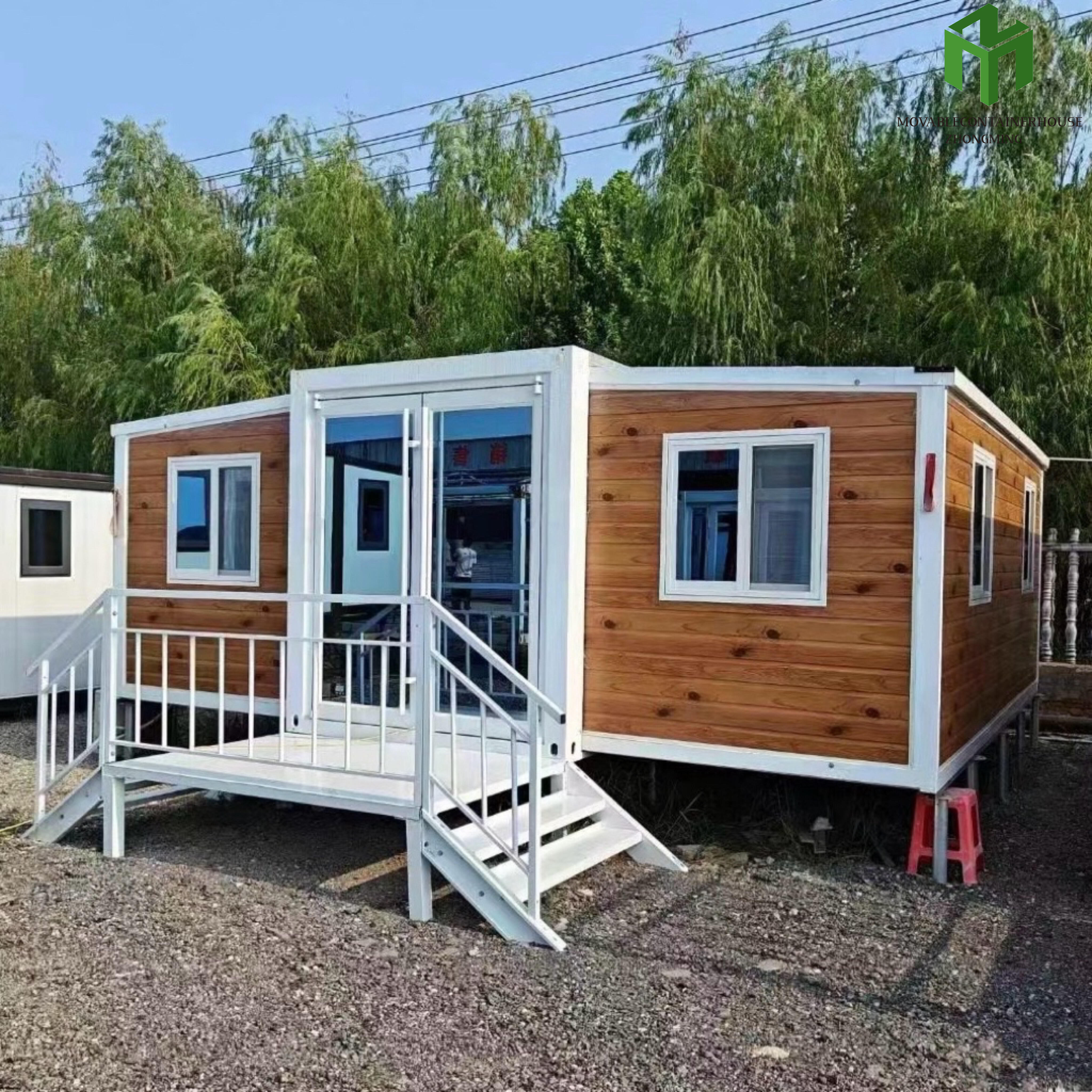
The housing market continues to evolve as innovative construction methods emerge to address affordability challenges and environmental concerns. Among these solutions, the mobile container house has gained significant attention as a potentially revolutionary approach to residential construction. This alternative housing method transforms shipping containers into fully functional living spaces, offering unique advantages in terms of mobility, sustainability, and construction speed. Understanding the cost-effectiveness of mobile container house solutions requires examining multiple factors including initial investment, long-term maintenance, energy efficiency, and resale potential.
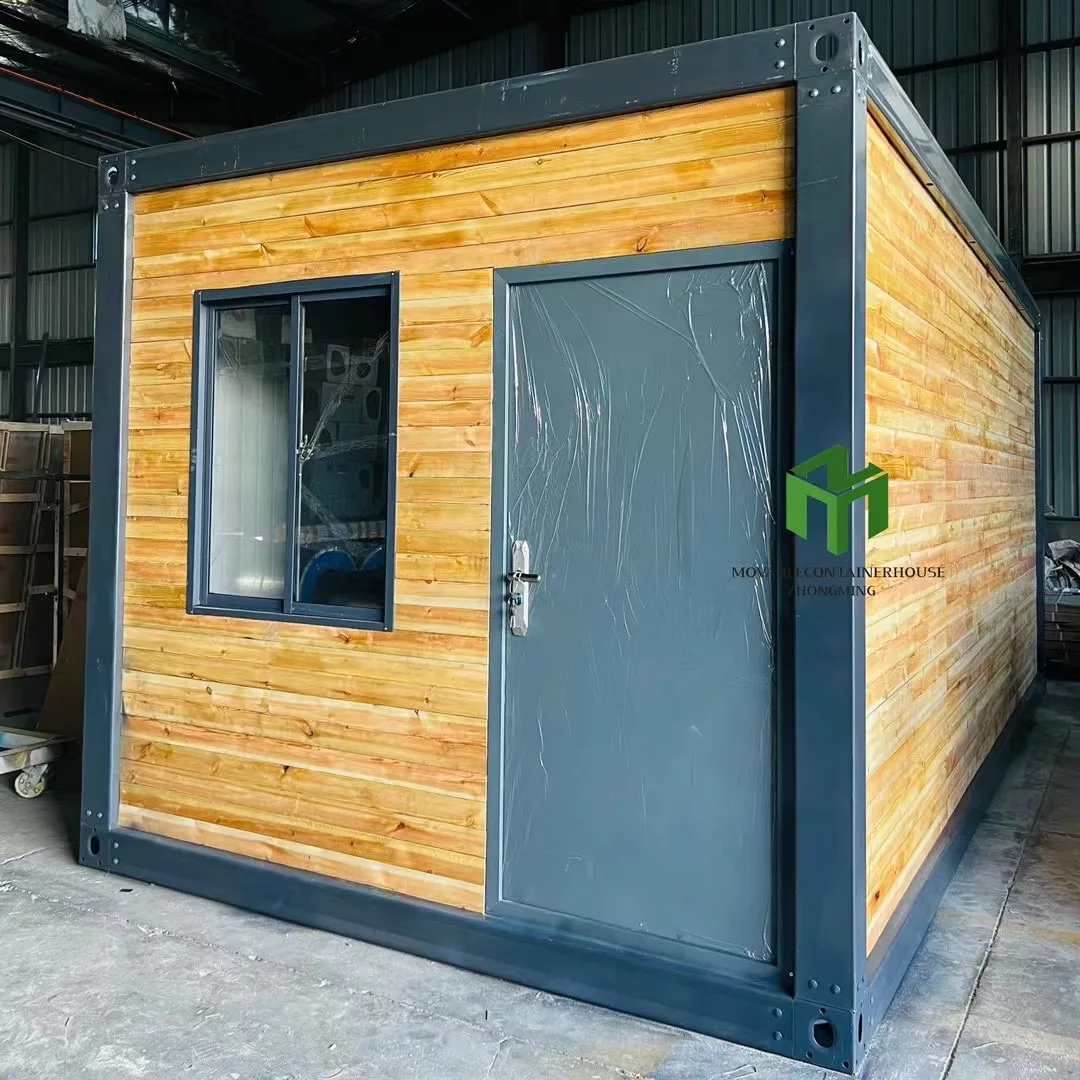
The construction industry has witnessed remarkable innovation in recent decades, with container-based housing representing one of the most significant developments in affordable construction. These structures utilize retired shipping containers as the primary building framework, creating homes that can be manufactured off-site and transported to virtually any location. The mobile container house concept appeals to diverse demographics, from young professionals seeking affordable starter homes to retirees looking for downsized living solutions.
Initial Investment Analysis for Container Housing
Purchase and Conversion Costs
The initial financial outlay for a mobile container house varies significantly based on size, customization level, and geographic location. Basic container units typically cost between $15,000 to $50,000 for a single-container home, while multi-container configurations can range from $80,000 to $200,000. These figures represent substantial savings compared to traditional home construction, which averages $150 to $400 per square foot in most markets. The mobile container house option provides immediate cost advantages through standardized manufacturing processes and reduced material waste.
Professional conversion services add value through expert design and construction management, ensuring proper insulation, electrical systems, and plumbing integration. While DIY approaches can reduce labor costs, professional installation guarantees compliance with local building codes and safety standards. The conversion process typically includes structural modifications, window and door installation, interior finishing, and utility connections, all of which contribute to the overall investment calculation.
Land and Site Preparation Requirements
Site preparation costs for mobile container house installations generally prove more affordable than traditional foundation work. Most container homes require simple concrete pad foundations or pier systems, reducing excavation and material expenses significantly. Land acquisition strategies vary widely, with some homeowners purchasing small lots while others lease space in container home communities or rural properties.
Utility connections represent another cost consideration, though mobile container house designs often incorporate off-grid capabilities that minimize ongoing utility expenses. Solar panel integration, rainwater collection systems, and composting toilets can eliminate or reduce traditional utility dependencies, creating long-term cost savings that enhance overall affordability.
Long-term Financial Benefits and Maintenance
Reduced Maintenance and Repair Costs
Steel construction provides exceptional durability advantages, with properly maintained container structures lasting 25 to 30 years or more. The mobile container house design eliminates common maintenance issues associated with traditional construction, such as foundation settling, wood rot, and pest infestations. Exterior maintenance primarily involves periodic painting or coating application to prevent rust, while interior maintenance follows standard residential practices.
Energy efficiency represents a significant long-term cost advantage, as modern container conversions incorporate high-quality insulation and energy-efficient appliances. Compact living spaces require less energy for heating and cooling, while smart design features maximize natural light and ventilation. These efficiency gains translate to reduced utility bills and lower environmental impact over the structure's lifespan.
Resale Value and Market Demand
The resale market for mobile container house units continues expanding as awareness and acceptance grow. Well-designed container homes often retain value better than traditional manufactured housing while offering superior mobility options. The ability to relocate the entire structure provides unique flexibility that appeals to modern lifestyle preferences and changing employment patterns.
Market research indicates growing demand for alternative housing solutions, particularly among environmentally conscious consumers and those seeking affordable homeownership options. This trend suggests positive resale prospects for quality container home investments, though regional variations and local zoning regulations can impact marketability.
Comparing Costs with Traditional Housing Options
Construction Timeline and Labor Savings
Traditional home construction typically requires 6 to 12 months for completion, while mobile container house projects can be finished in 2 to 6 months depending on customization complexity. Reduced construction time translates to lower labor costs and faster occupancy, eliminating extended rental payments or temporary housing expenses during the building process.
Factory-built components ensure consistent quality control and weather-independent construction schedules, reducing delays and cost overruns common in traditional building projects. Standardized manufacturing processes enable bulk purchasing advantages and streamlined assembly procedures that further reduce overall project costs.
Financing and Insurance Considerations
Financing options for mobile container house purchases have expanded as lenders recognize the growing market segment. Personal loans, RV loans, and specialized container home financing products provide various pathways to homeownership. Interest rates and terms vary based on lender policies and local regulations, though rates generally remain competitive with traditional mortgage options.
Insurance costs for container homes typically fall below traditional homeowner policies due to steel construction durability and reduced fire risk. Many insurance providers now offer specialized coverage for mobile container house structures, recognizing their unique characteristics and risk profiles.
Environmental Impact and Sustainability Benefits
Resource Conservation and Recycling
Environmental sustainability represents a compelling cost-effectiveness factor, as container housing repurposes existing steel structures rather than consuming new raw materials. Each mobile container house conversion prevents approximately 8,000 pounds of steel from entering waste streams while reducing demand for traditional building materials like lumber and concrete.
Manufacturing efficiency advantages include reduced waste generation and lower transportation costs for materials. Container standardization enables precise material calculations and minimal construction waste, contributing to overall cost savings while supporting environmental conservation goals.
Energy Efficiency and Carbon Footprint
Compact living spaces inherently require less energy for climate control, while modern insulation techniques optimize thermal performance. Many mobile container house designs incorporate renewable energy systems, water conservation features, and sustainable materials that reduce ongoing operational costs and environmental impact.
Lifecycle assessments demonstrate favorable environmental profiles for container homes compared to traditional construction methods. Lower energy consumption, reduced material waste, and extended structural life contribute to positive sustainability metrics that align with growing environmental awareness and regulatory trends.
Regional Considerations and Market Variations
Zoning and Regulatory Compliance
Local regulations significantly impact mobile container house feasibility and costs across different markets. Progressive jurisdictions have developed specific codes and approval processes for container housing, while conservative areas may impose restrictions or additional requirements that increase project complexity and expense.
Permit costs and inspection requirements vary widely, with some locations treating container homes as traditional residential construction while others classify them as manufactured housing or temporary structures. Understanding local regulatory environments proves essential for accurate cost projections and project planning.
Climate and Geographic Factors
Regional climate conditions influence design requirements and associated costs for mobile container house projects. Cold climates necessitate enhanced insulation and heating systems, while hot regions require superior cooling solutions and sun protection. Coastal areas may require additional corrosion protection measures that impact initial investment and maintenance costs.
Transportation costs for container delivery vary based on distance from manufacturing facilities and local infrastructure accessibility. Remote locations may incur higher delivery charges, though the mobile container house advantage of complete factory construction often offsets transportation premiums through reduced on-site construction requirements.
Future Trends and Market Outlook
Technology Integration and Smart Home Features
Emerging technologies continue enhancing mobile container house value propositions through smart home integration and advanced building systems. Internet of Things connectivity, automated climate control, and energy management systems optimize operational efficiency while providing enhanced comfort and convenience features.
Innovation in container modification techniques enables increasingly sophisticated designs that rival traditional home amenities while maintaining cost advantages. Modular expansion capabilities allow homeowners to add containers as needs change, providing scalable housing solutions that adapt to life circumstances.
Market Growth and Industry Development
Industry maturation continues improving quality standards and reducing costs through economies of scale and technological advancement. Increased competition among mobile container house manufacturers drives innovation while maintaining affordability, benefiting consumers through improved products and competitive pricing.
Professional services expansion includes specialized architects, contractors, and consultants focused exclusively on container housing projects. This expertise development reduces project risks and ensures optimal outcomes for homeowners considering container-based housing solutions.
FAQ
How much does a mobile container house typically cost compared to a traditional home
A mobile container house typically costs 30-50% less than traditional home construction, with single-container units ranging from $15,000-$50,000 and multi-container homes costing $80,000-$200,000. Traditional homes average $150-$400 per square foot, while container homes often achieve $100-$250 per square foot including conversion costs. These savings result from standardized manufacturing, reduced material waste, and faster construction timelines.
What ongoing maintenance costs should I expect with a container home
Maintenance costs for a mobile container house are generally lower than traditional homes due to steel construction durability. Primary maintenance includes periodic exterior coating every 5-10 years to prevent rust, standard interior upkeep, and HVAC system servicing. Annual maintenance typically costs $500-$1,500 depending on home size and local climate conditions, compared to $2,000-$4,000 for traditional homes.
Can I get financing for a mobile container house purchase
Yes, financing options for mobile container house purchases include personal loans, RV financing, and specialized container home loans offered by progressive lenders. Interest rates typically range from 4-12% depending on credit score, loan term, and lender policies. Some manufacturers offer in-house financing programs, while credit unions and online lenders increasingly provide container home financing products with competitive terms.
Do mobile container houses hold their resale value well
Well-designed mobile container houses generally maintain resale value better than manufactured homes due to their durability and growing market acceptance. Quality container homes often appreciate 2-5% annually in favorable markets, though values depend on location, design quality, and local zoning acceptance. The mobility factor provides unique value that appeals to certain buyer segments, potentially enhancing marketability compared to traditional structures.