
 EN
EN

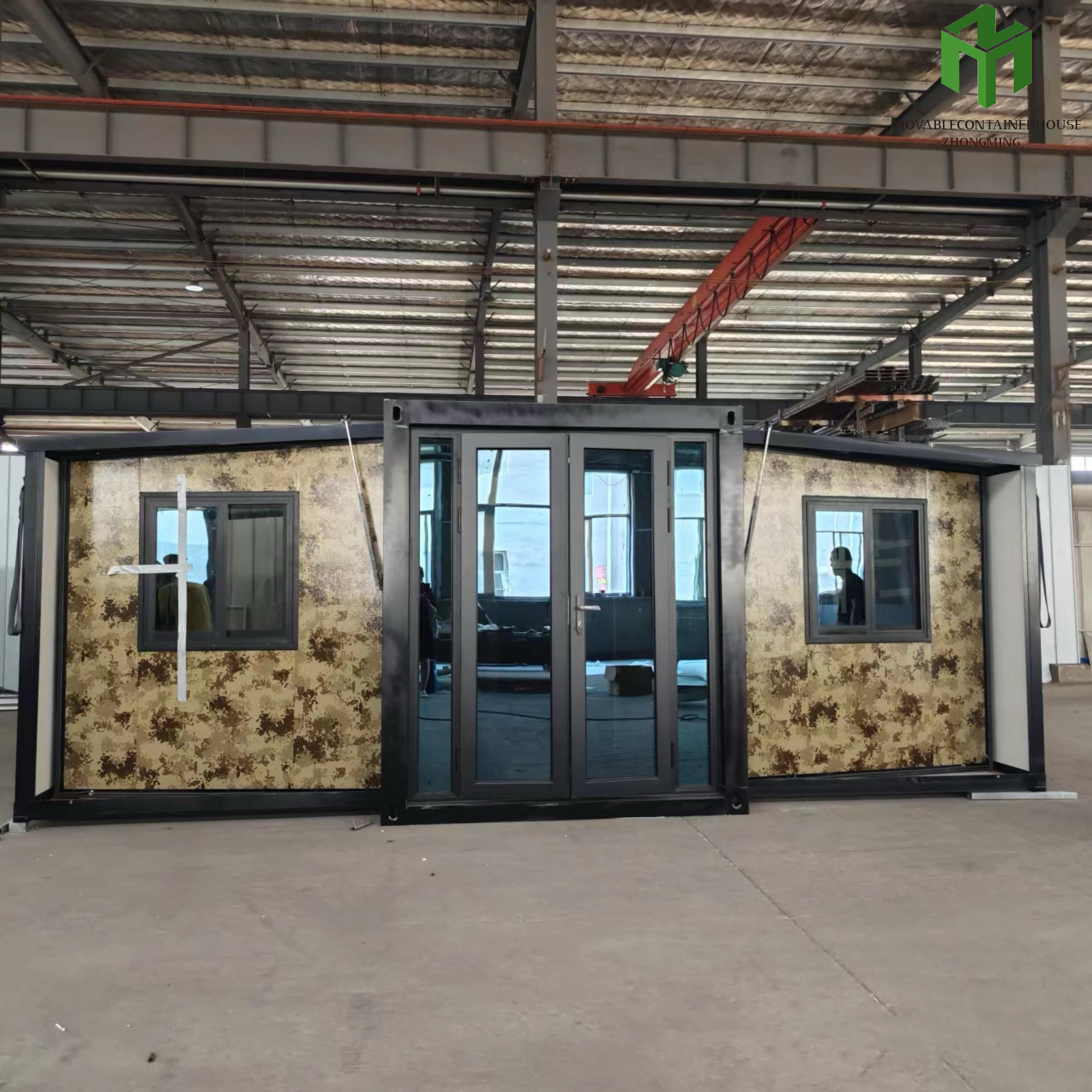
The construction industry has witnessed a revolutionary transformation with the emergence of modular container housing solutions that dramatically reduce traditional building timelines. Modern mobile container house designs have evolved from basic shipping container conversions into sophisticated, factory-built structures that combine speed, efficiency, and quality in unprecedented ways. These innovative building systems represent a fundamental shift from conventional construction methods, offering developers and homeowners alike the opportunity to achieve their housing goals with remarkable time and cost savings. The streamlined approach to modular construction has made it possible to deliver fully functional living spaces in a fraction of the time required for traditional building methods, making the mobile container house concept increasingly attractive across diverse markets and applications.

Factory Precision Manufacturing Process
Controlled Environment Production
The manufacturing of modular container houses takes place in controlled factory environments that eliminate weather-related delays and ensure consistent quality standards throughout the production process. Unlike traditional construction sites where weather conditions can halt progress for days or weeks, factory production continues uninterrupted regardless of external climate conditions. This controlled environment allows for precise temperature and humidity management, ensuring that materials cure properly and assembly processes maintain optimal conditions for quality outcomes. The factory setting also enables the implementation of sophisticated quality control systems that monitor every aspect of production, from material preparation to final assembly verification.
Advanced manufacturing equipment and specialized tooling create superior precision in component fabrication that would be impossible to achieve on traditional construction sites. CNC cutting machines, automated welding systems, and computer-controlled assembly lines ensure that every mobile container house component meets exact specifications with minimal variation. This precision manufacturing approach results in components that fit together seamlessly during final assembly, reducing the need for on-site modifications and adjustments that typically slow down construction projects.
Standardized Component Systems
Modular container house manufacturers have developed sophisticated standardized component systems that enable rapid assembly while maintaining design flexibility and customization options. These standardized systems include pre-engineered structural elements, electrical systems, plumbing components, and finishing materials that have been optimized for quick installation and reliable performance. The standardization process extends beyond individual components to encompass entire subsystems, such as bathroom pods, kitchen modules, and mechanical systems that can be fully assembled and tested in the factory before installation.
The benefits of standardized components extend throughout the entire supply chain, enabling manufacturers to maintain consistent inventory levels, reduce material costs through volume purchasing, and establish reliable delivery schedules that support predictable production timelines. This systematic approach to component design and manufacturing creates economies of scale that translate into cost savings for end customers while maintaining high quality standards across all mobile container house projects.
Parallel Construction Workflows
Site Preparation Efficiency
While modular container houses are being manufactured in factory facilities, site preparation activities can proceed simultaneously, creating parallel workflows that dramatically compress overall project timelines. Site preparation for mobile container house installations typically requires significantly less extensive groundwork compared to traditional construction projects, as the structural loads are distributed through the container framework rather than requiring complex foundation systems. This simplified foundation approach often involves concrete pads, pier systems, or simple slab preparations that can be completed quickly with standard construction equipment.
The parallel workflow approach extends to utility connections, landscaping preparation, and access road development, all of which can be completed while the container house modules are being manufactured. This concurrent activity eliminates the sequential delays that characterize traditional construction projects, where each phase must be completed before the next can begin. The result is a construction process where site readiness coincides with module delivery, enabling immediate installation upon arrival.
Integrated Systems Installation
Modern mobile container house designs incorporate integrated systems that are pre-installed and tested during factory production, eliminating the time-consuming process of installing electrical, plumbing, and HVAC systems on-site. These integrated systems are designed to connect quickly and reliably through standardized interfaces that enable rapid system activation once modules are positioned and connected. The integration extends to smart home technologies, security systems, and communication infrastructure that would typically require extensive on-site installation time in traditional construction projects.
The pre-integration of building systems also includes finish materials, fixtures, and appliances that are installed and tested before the modules leave the factory. This approach ensures that all systems function properly before delivery and eliminates the coordination challenges associated with multiple trades working simultaneously on traditional construction sites. The result is a mobile container house that requires minimal on-site work to achieve full functionality, dramatically reducing the time between delivery and occupancy.
Advanced Logistics and Transportation
Optimized Delivery Systems
The transportation and delivery of modular container houses has been refined through sophisticated logistics systems that ensure timely arrival and efficient installation processes. Specialized transportation equipment designed specifically for container house modules enables safe and secure delivery while maintaining the structural integrity of the completed units. GPS tracking systems and real-time communication technologies provide precise delivery scheduling that coordinates with site readiness and installation crew availability.
Delivery optimization extends beyond transportation to include route planning that considers road restrictions, utility clearances, and site access requirements. Advanced logistics software analyzes multiple variables to determine optimal delivery windows that minimize transportation costs while ensuring timely arrival. The coordination between manufacturing completion, transportation scheduling, and site preparation creates a seamless workflow that eliminates delays and reduces overall project duration for mobile container house installations.
Installation Process Efficiency
The installation process for modular container houses has been streamlined through specialized equipment and proven procedures that enable rapid positioning and connection of modules. Mobile cranes and specialized lifting equipment designed for container handling can position modules quickly and precisely, often completing the structural installation phase in a single day. The standardized connection systems between modules enable quick and secure joining that creates structural continuity while maintaining the speed advantages of modular construction.
Installation crews trained specifically in mobile container house assembly procedures can complete complex multi-module installations efficiently through proven methods and specialized tools. The installation process includes system connections, weatherproofing, and final inspections that are completed using standardized checklists and procedures that ensure consistent quality across all projects.
Technology Integration Benefits
Digital Design and Planning
Advanced digital design tools and Building Information Modeling (BIM) systems enable precise planning and visualization of modular container house projects before manufacturing begins. These technologies create detailed three-dimensional models that allow designers, manufacturers, and customers to identify and resolve potential issues during the design phase rather than during construction. The digital models integrate structural, mechanical, electrical, and plumbing systems to ensure compatibility and optimize the manufacturing process for maximum efficiency.
Digital planning tools also enable accurate material calculations, production scheduling, and cost estimation that provide reliable project timelines and budgets. The precision of digital design systems reduces waste, minimizes change orders, and ensures that all components are manufactured to exact specifications. This technological approach to mobile container house design creates predictable outcomes that support reliable delivery schedules and consistent quality standards.
Automated Manufacturing Technologies
The integration of automated manufacturing technologies in modular container house production enables consistent quality, reduced labor costs, and accelerated production timelines. Robotic welding systems, automated material handling equipment, and computer-controlled assembly processes create manufacturing efficiency that surpasses traditional construction methods. These technologies also enable 24-hour production capabilities that further compress manufacturing timelines while maintaining quality standards.
Automated quality control systems continuously monitor production processes and verify that each mobile container house meets specifications before proceeding to the next manufacturing stage. These systems include dimensional verification, structural integrity testing, and systems functionality checks that ensure consistent quality across all units. The combination of automated production and quality control creates manufacturing reliability that supports predictable delivery schedules and customer satisfaction.
Cost and Time Advantages
Reduced Labor Requirements
Modular container house construction requires significantly fewer labor hours compared to traditional building methods, as much of the work is completed in factory settings using efficient production techniques. The controlled factory environment enables specialized workers to focus on specific tasks repeatedly, developing expertise that increases productivity and quality. This specialization contrasts with traditional construction where workers must adapt to varying site conditions and perform diverse tasks that may not utilize their specific skills optimally.
The reduced on-site labor requirements for mobile container house installation eliminate many of the coordination challenges associated with managing multiple trades simultaneously. Installation crews can complete the structural installation, system connections, and finish work with fewer workers in less time than required for comparable traditional construction projects. This labor efficiency translates directly into cost savings and reduced project duration for customers choosing modular container house solutions.
Material Waste Reduction
Factory manufacturing of modular container houses enables precise material utilization that dramatically reduces waste compared to traditional construction methods. Computer-controlled cutting systems optimize material usage, while standardized production processes eliminate the excess materials typically required for on-site adjustments and modifications. The controlled factory environment also protects materials from weather damage and theft, common sources of waste in traditional construction projects.
The waste reduction benefits extend to packaging and transportation efficiency, as modules are designed to utilize transportation capacity optimally while protecting the finished products. Standardized dimensions and integrated systems eliminate the need for multiple deliveries and reduce packaging waste associated with individual component delivery. These efficiency gains contribute to the overall cost advantages of mobile container house construction while supporting environmental sustainability goals through reduced material consumption.
Quality Control and Standards
Factory Quality Assurance
The factory production environment enables comprehensive quality assurance programs that exceed the quality control capabilities of traditional construction sites. Dedicated quality control personnel can inspect every aspect of production using standardized procedures and testing equipment that ensure consistent outcomes. Climate-controlled conditions eliminate weather-related quality issues while specialized testing equipment verifies structural integrity, system functionality, and finish quality before modules leave the factory.
Quality assurance programs for mobile container house manufacturing include material certification, process verification, and final inspection protocols that create documented quality records for every unit. These quality records provide customers with confidence in product reliability while supporting warranty programs and long-term performance expectations. The systematic approach to quality control creates manufacturing consistency that supports the reputation and reliability of modular container house solutions.
Regulatory Compliance Efficiency
Modular container house manufacturers work with regulatory agencies to establish streamlined approval processes that recognize the quality advantages of factory production while ensuring compliance with applicable building codes. Pre-approved designs and standardized manufacturing processes enable faster permitting and inspection procedures compared to traditional construction projects that require individual review of plans and on-site inspections of each construction phase.
The standardized approach to mobile container house design and manufacturing creates predictable compliance outcomes that reduce regulatory risks and delays. Factory inspections can verify compliance with multiple jurisdictions simultaneously, while standardized designs eliminate the need for repetitive engineering reviews. This regulatory efficiency contributes to faster project approval and reduced administrative costs for customers choosing modular container house solutions.
FAQ
How long does it typically take to complete a modular container house project compared to traditional construction
A typical mobile container house project can be completed in 6-12 weeks from order to occupancy, compared to 6-12 months for traditional construction of comparable size. The factory production phase usually takes 4-8 weeks depending on customization requirements, while site preparation can occur simultaneously. Once delivered, installation and system connections typically require 1-3 days, with final inspections and occupancy approval following shortly thereafter. This dramatic time reduction results from parallel workflows, factory efficiency, and streamlined installation processes that eliminate many of the delays common in traditional construction projects.
What quality standards apply to factory-manufactured modular container houses
Modular container houses must comply with the same building codes and safety standards as traditional construction, but benefit from enhanced quality control through factory production processes. Manufacturing facilities typically maintain ISO certification and follow standardized quality management systems that ensure consistent production standards. The mobile container house industry has developed specific standards for structural integrity, weatherproofing, and system integration that often exceed traditional construction quality due to controlled manufacturing conditions and comprehensive testing procedures.
How do weather conditions affect modular container house construction timelines
Weather conditions have minimal impact on mobile container house project timelines because manufacturing occurs in controlled factory environments that operate regardless of external weather conditions. Site preparation activities may experience weather-related delays similar to traditional construction, but the installation process is typically completed quickly enough that weather windows can be managed effectively. The reduced on-site construction time means that weather risks are significantly lower compared to traditional construction projects that may experience weeks or months of weather-related delays throughout the construction process.
What customization options are available without affecting construction speed
Most mobile container house manufacturers offer extensive customization options within standardized systems that maintain production efficiency and delivery timelines. Interior layouts, finish selections, appliance choices, and mechanical system configurations can typically be customized without affecting manufacturing schedules. However, structural modifications or non-standard dimensions may require additional engineering and manufacturing time. The key to maintaining speed advantages is working within established modular systems while personalizing finishes and features that can be integrated during standard production processes.
Table of Contents
- Factory Precision Manufacturing Process
- Parallel Construction Workflows
- Advanced Logistics and Transportation
- Technology Integration Benefits
- Cost and Time Advantages
- Quality Control and Standards
-
FAQ
- How long does it typically take to complete a modular container house project compared to traditional construction
- What quality standards apply to factory-manufactured modular container houses
- How do weather conditions affect modular container house construction timelines
- What customization options are available without affecting construction speed