
 EN
EN

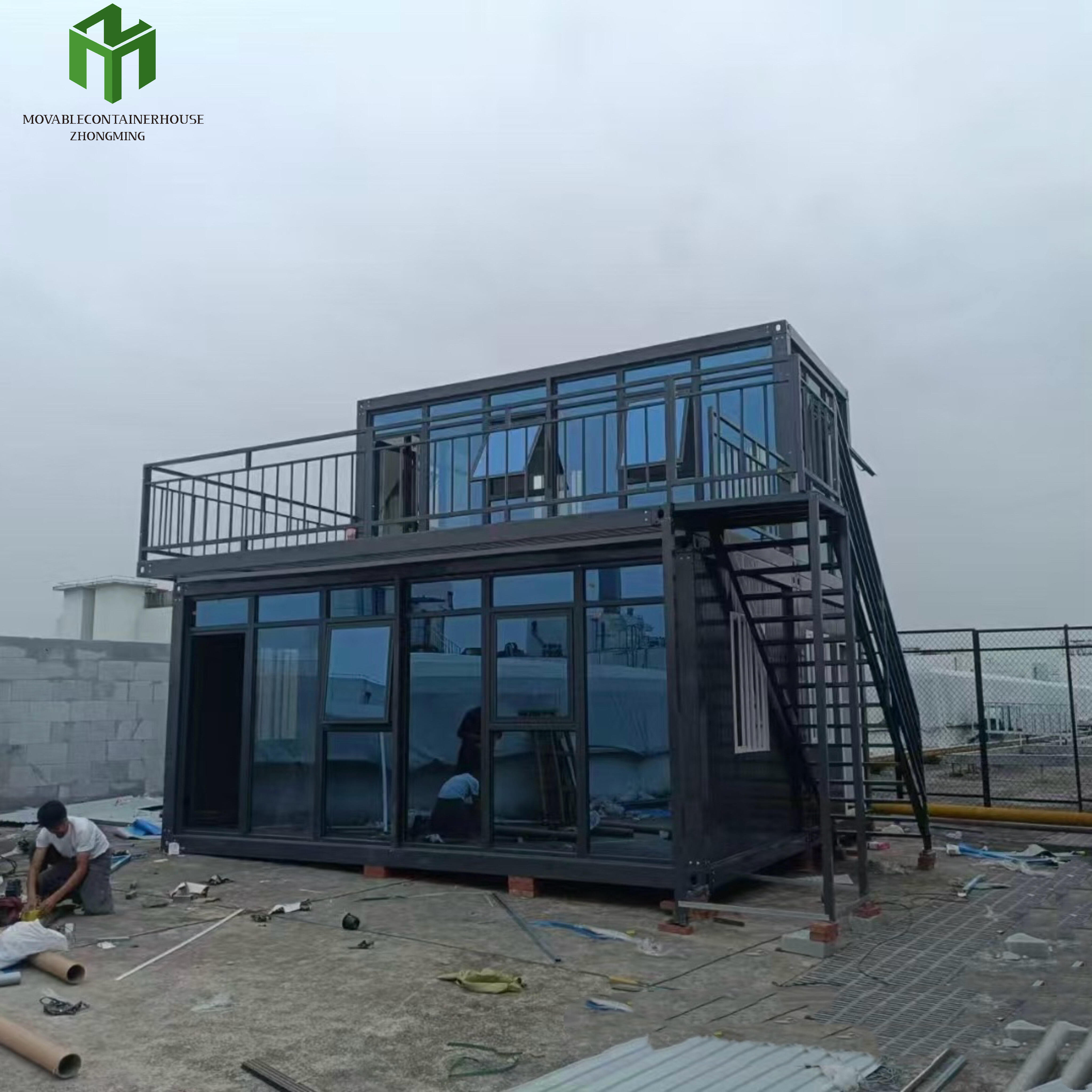
The construction industry has witnessed a revolutionary shift toward sustainable and efficient building solutions, with the modular container house emerging as a leading choice for scalable architectural projects. Starting with a single unit and expanding into complex multi-building developments requires strategic planning, careful coordination, and deep understanding of modular construction principles. The journey from a simple modular container house to an elaborate complex involves numerous considerations including site preparation, utility integration, structural engineering, and regulatory compliance. Modern developers are increasingly recognizing the potential of these innovative building systems to deliver cost-effective, time-efficient, and environmentally conscious solutions that can adapt to changing needs over time.

Understanding the Foundation of Modular Container Architecture
Core Design Principles
Every successful modular container house project begins with solid design principles that prioritize flexibility, structural integrity, and future expansion capabilities. The fundamental concept revolves around creating standardized units that can function independently while maintaining compatibility with additional modules. This approach ensures that each modular container house serves as both a complete structure and a building block for larger configurations. Design teams must consider load-bearing requirements, connection systems, and utility pathways that can accommodate future growth without compromising the existing structure. The modular approach allows for systematic expansion where each new unit enhances the overall complex rather than creating isolated additions.
The architectural framework for a scalable modular container house system must incorporate universal connection points, standardized dimensions, and compatible utility interfaces. These elements ensure seamless integration when expanding from a single unit to multiple interconnected structures. Professional architects specializing in modular construction understand the importance of creating designs that maintain aesthetic coherence while offering practical expansion options. The initial modular container house design should include provisions for future connections, shared utilities, and integrated circulation patterns that will support complex development.
Material Selection and Durability
The selection of appropriate materials plays a crucial role in ensuring that a modular container house can withstand the demands of scaling operations. High-quality steel frameworks, weather-resistant cladding systems, and durable connection hardware form the backbone of successful modular projects. Each component must meet stringent quality standards to ensure long-term performance across all units in the complex. The materials chosen for the initial modular container house will set the standard for all subsequent additions, making it essential to select components that offer both immediate functionality and long-term reliability.
Advanced insulation systems, energy-efficient windows, and sustainable building materials contribute to the overall performance of each modular container house unit. These elements not only improve individual unit efficiency but also enhance the collective performance of the entire complex. Material consistency across all units ensures uniform appearance, maintenance requirements, and performance characteristics throughout the scaled development.
Strategic Planning for Scalable Development
Site Analysis and Master Planning
Comprehensive site analysis forms the foundation for successful modular container house scaling projects. Understanding topography, soil conditions, drainage patterns, and access routes enables designers to create master plans that accommodate both immediate needs and future expansion phases. The initial site evaluation must consider utility capacity, transportation logistics, and regulatory requirements that will impact the placement and connection of multiple modular container house units. Professional site analysis includes assessment of load-bearing capacity, environmental factors, and infrastructure requirements that support complex development.
Master planning for modular container house complexes requires careful consideration of unit placement, circulation patterns, shared spaces, and utility distribution systems. The plan must balance efficiency with aesthetics while ensuring that each expansion phase maintains functional relationships between units. Successful master plans create clear phases for development that allow for organic growth while maintaining the integrity of the overall design concept.
Phased Development Strategy
Implementing a phased approach to modular container house expansion allows for controlled growth that can adapt to changing requirements and market conditions. Each phase should represent a logical progression that adds value to the existing complex while preparing for future additions. The phased strategy enables developers to test market demand, refine construction processes, and optimize operational systems before committing to large-scale expansion. This approach reduces financial risk while maximizing the potential for successful project completion.
Effective phased development plans for modular container house projects include clear milestones, resource allocation strategies, and contingency planning for various scenarios. Each phase should be designed to function independently while contributing to the overall vision for the completed complex. The timing of each phase should align with market conditions, financing availability, and operational capacity.
Technical Integration and Infrastructure
Utility Systems and Connectivity
The integration of utility systems represents one of the most critical aspects of scaling a modular container house project from single unit to complex development. Electrical, plumbing, HVAC, and communication systems must be designed with expansion in mind from the initial installation. Central utility distribution systems can serve multiple modular container house units efficiently while maintaining individual control and monitoring capabilities. The design of these systems requires careful planning to ensure adequate capacity, redundancy, and maintenance access throughout the scaled development.
Advanced utility management systems enable efficient operation of multiple modular container house units while providing centralized monitoring and control capabilities. Smart building technologies can optimize energy consumption, monitor system performance, and provide predictive maintenance alerts across the entire complex. These integrated systems reduce operational costs while improving the overall performance and sustainability of the modular container house development.
Structural Connections and Stability
The structural integrity of a modular container house complex depends on carefully engineered connection systems that can transfer loads safely between units while allowing for thermal expansion and environmental movement. Professional structural engineers must design connection details that accommodate both vertical and horizontal forces while maintaining the flexibility needed for modular construction. These connections must be both strong and serviceable, allowing for future modifications or reconfigurations as needed.
Seismic considerations, wind loads, and foundation settlement must be addressed in the structural design of modular container house complexes. The connection systems must be designed to accommodate these forces while maintaining the modular nature of the construction. Regular structural inspections and maintenance protocols ensure long-term stability and safety across all units in the complex.
Quality Control and Project Management
Manufacturing Standards and Consistency
Maintaining consistent quality across all units in a modular container house complex requires rigorous manufacturing standards and quality control processes. Each unit must meet identical specifications for dimensions, materials, finishes, and performance characteristics to ensure seamless integration within the larger development. Factory-controlled production environments enable precise quality control that would be difficult to achieve with traditional on-site construction methods. The modular container house manufacturing process must include comprehensive testing and inspection protocols to verify that each unit meets project specifications.
Quality assurance programs for modular container house production include material certification, dimensional verification, system testing, and final inspection procedures. These programs ensure that each unit will perform as expected when integrated into the complex while maintaining the aesthetic and functional consistency required for successful development. Documentation of quality control processes provides valuable information for maintenance and future expansion activities.
Construction Coordination and Logistics
The coordination of multiple modular container house units during the scaling process requires sophisticated project management and logistics planning. Transportation scheduling, crane operations, utility connections, and site preparation must be carefully sequenced to minimize disruption and maximize efficiency. The modular nature of construction allows for parallel processing of multiple units, reducing overall project timelines compared to traditional construction methods. Experienced project managers understand the unique requirements of modular container house installation and can optimize the construction sequence for maximum efficiency.
Effective logistics management ensures that each modular container house unit arrives on site ready for installation with all necessary components and documentation. Site preparation work must be completed in advance to accommodate the rapid installation pace typical of modular construction. Communication between manufacturing facilities, transportation providers, and site teams ensures smooth coordination throughout the scaling process.
Financial Planning and Cost Management
Investment Strategy and Funding
Scaling a modular container house project from single unit to complex requires careful financial planning that addresses both immediate costs and long-term investment requirements. The modular approach offers advantages in terms of predictable costs, reduced construction time, and lower financing carrying costs compared to traditional construction. However, the initial investment in design, manufacturing setup, and site preparation must be carefully planned to ensure adequate funding throughout the scaling process. Financial models for modular container house developments should account for economies of scale, operational efficiency improvements, and market timing considerations.
Financing options for modular container house projects may include construction loans, permanent financing, and specialized modular construction lending programs. The standardized nature of modular construction can make financing more attractive to lenders who appreciate the reduced construction risk and predictable timelines. Financial planning must also consider the potential for rapid deployment and early revenue generation that modular container house projects can provide.
Cost Optimization Strategies
Achieving cost efficiency in modular container house scaling requires strategic approaches to design standardization, bulk purchasing, and construction optimization. Standardized designs reduce engineering costs while enabling volume discounts on materials and components. The modular container house approach allows for learning curve benefits where each successive unit benefits from refined processes and improved efficiency. Cost optimization strategies should balance standardization with customization needs to create developments that meet market requirements while maintaining economic viability.
Value engineering throughout the modular container house development process identifies opportunities to reduce costs without compromising quality or functionality. Regular cost reviews during the scaling process help identify trends and opportunities for improvement. The predictable nature of modular construction costs enables more accurate budgeting and financial planning compared to traditional construction methods.
Regulatory Compliance and Approval Processes
Building Codes and Zoning Requirements
Navigating building codes and zoning requirements for modular container house developments requires thorough understanding of local regulations and approval processes. Many jurisdictions have specific provisions for modular construction that can streamline the approval process when properly addressed. The standardized nature of modular container house units can actually facilitate code compliance by ensuring consistent application of approved designs and systems. Working with local officials early in the planning process helps identify potential challenges and solutions for regulatory compliance.
Zoning considerations for modular container house complexes may include density requirements, setback provisions, parking requirements, and architectural standards. Some jurisdictions offer incentives for sustainable construction methods or affordable housing development that can benefit modular projects. Understanding these requirements and opportunities early in the planning process enables better project design and more efficient approval processes.
Permitting and Inspection Coordination
The permitting process for modular container house scaling projects requires coordination between manufacturing facilities and local building departments. Factory inspections may be required to verify compliance with building codes before units are shipped to the construction site. Site preparation, foundation work, and utility connections typically require separate permits and inspections that must be coordinated with the modular container house installation schedule. Experienced permitting consultants can help navigate these processes efficiently.
Inspection scheduling for modular container house installations must accommodate the rapid pace of modular construction while ensuring thorough code compliance verification. Pre-approved inspection checklists and standardized procedures can streamline this process for scaled developments. Clear communication between all parties involved in the inspection process helps avoid delays and ensures successful project completion.
FAQ
What are the key advantages of using modular container house construction for scalable projects
Modular container house construction offers significant advantages for scalable projects including reduced construction time, predictable costs, controlled quality in factory environments, and flexibility for future expansion. The standardized manufacturing process ensures consistency across all units while enabling economies of scale as projects grow. Additionally, the modular approach allows for phased development that can adapt to market conditions and financing availability, reducing overall project risk while maximizing development potential.
How long does it typically take to scale from one modular container house to a complete complex
The timeline for scaling a modular container house project varies based on complex size, site conditions, and regulatory requirements, but typically ranges from 6 months for small developments to 2-3 years for large complexes. The modular manufacturing process allows for parallel production of multiple units while site preparation occurs, significantly reducing overall project timelines compared to traditional construction. Factors affecting timeline include permitting processes, utility infrastructure development, and the specific requirements of each development phase.
What are the most important design considerations when planning for future expansion
Critical design considerations for expandable modular container house projects include standardized connection systems, scalable utility infrastructure, compatible architectural elements, and flexible site layouts that accommodate growth. The initial design must incorporate connection points for future units, adequate utility capacity for expansion, and circulation patterns that work for both single units and complex configurations. Master planning should identify optimal locations for shared facilities and common areas that enhance the development as it scales.
How do financing options differ for modular container house projects compared to traditional construction
Financing for modular container house projects often involves specialized construction lenders who understand the unique characteristics of modular construction including factory production timelines, transportation logistics, and installation processes. The predictable costs and reduced construction timelines of modular projects can make them more attractive to lenders, potentially resulting in better financing terms. Some lenders offer specific modular construction loan products that align with the manufacturing and installation timeline of modular container house developments, providing more flexible funding structures than traditional construction loans.
Table of Contents
- Understanding the Foundation of Modular Container Architecture
- Strategic Planning for Scalable Development
- Technical Integration and Infrastructure
- Quality Control and Project Management
- Financial Planning and Cost Management
- Regulatory Compliance and Approval Processes
-
FAQ
- What are the key advantages of using modular container house construction for scalable projects
- How long does it typically take to scale from one modular container house to a complete complex
- What are the most important design considerations when planning for future expansion
- How do financing options differ for modular container house projects compared to traditional construction