
 EN
EN

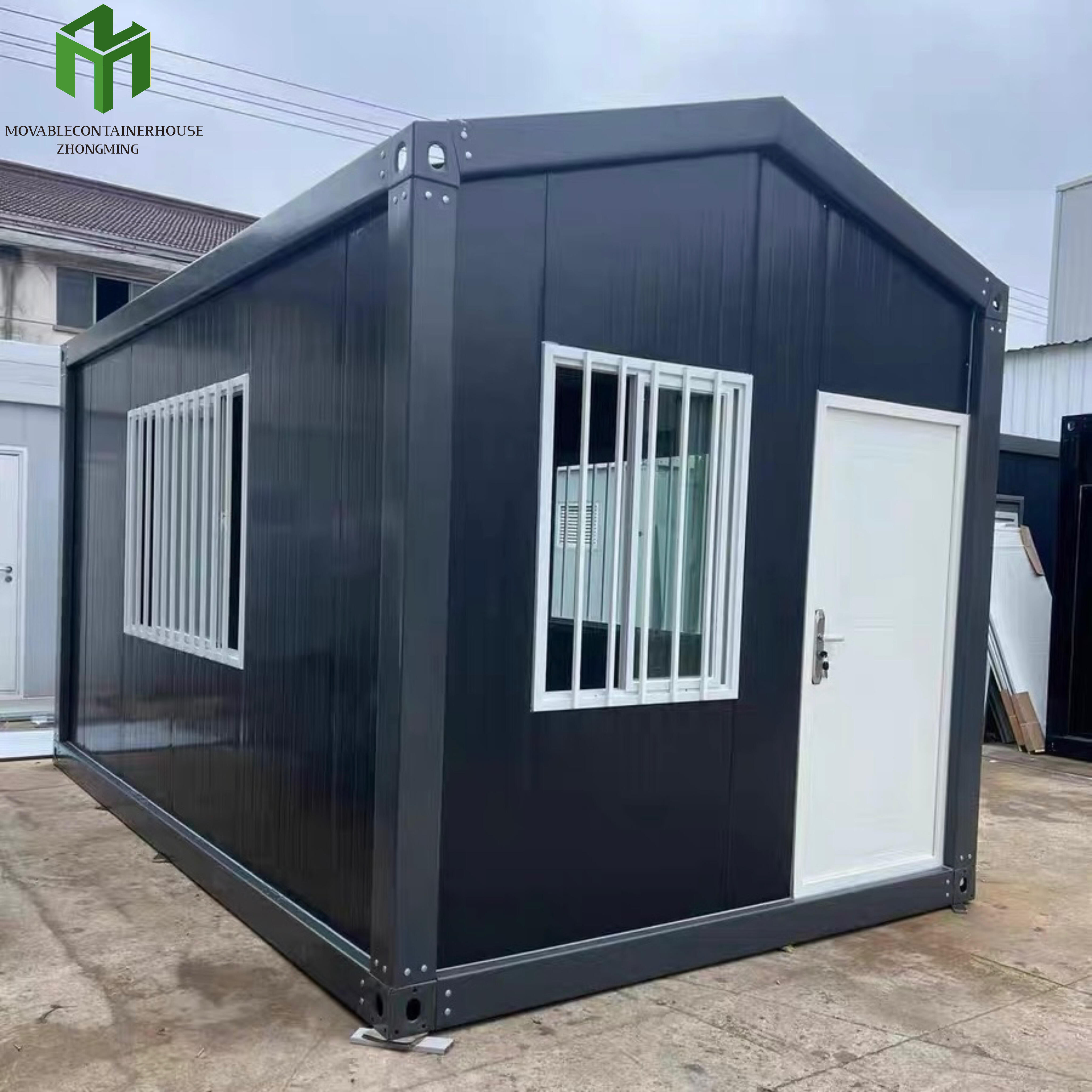
The global housing market has witnessed a revolutionary shift toward innovative building solutions, with modular construction leading the charge. Among these solutions, the china container house has emerged as a compelling alternative to traditional construction methods, offering unique advantages that challenge conventional housing approaches. As housing costs continue to escalate worldwide, more developers, businesses, and homeowners are evaluating the economic and practical benefits of container-based construction versus local building options.
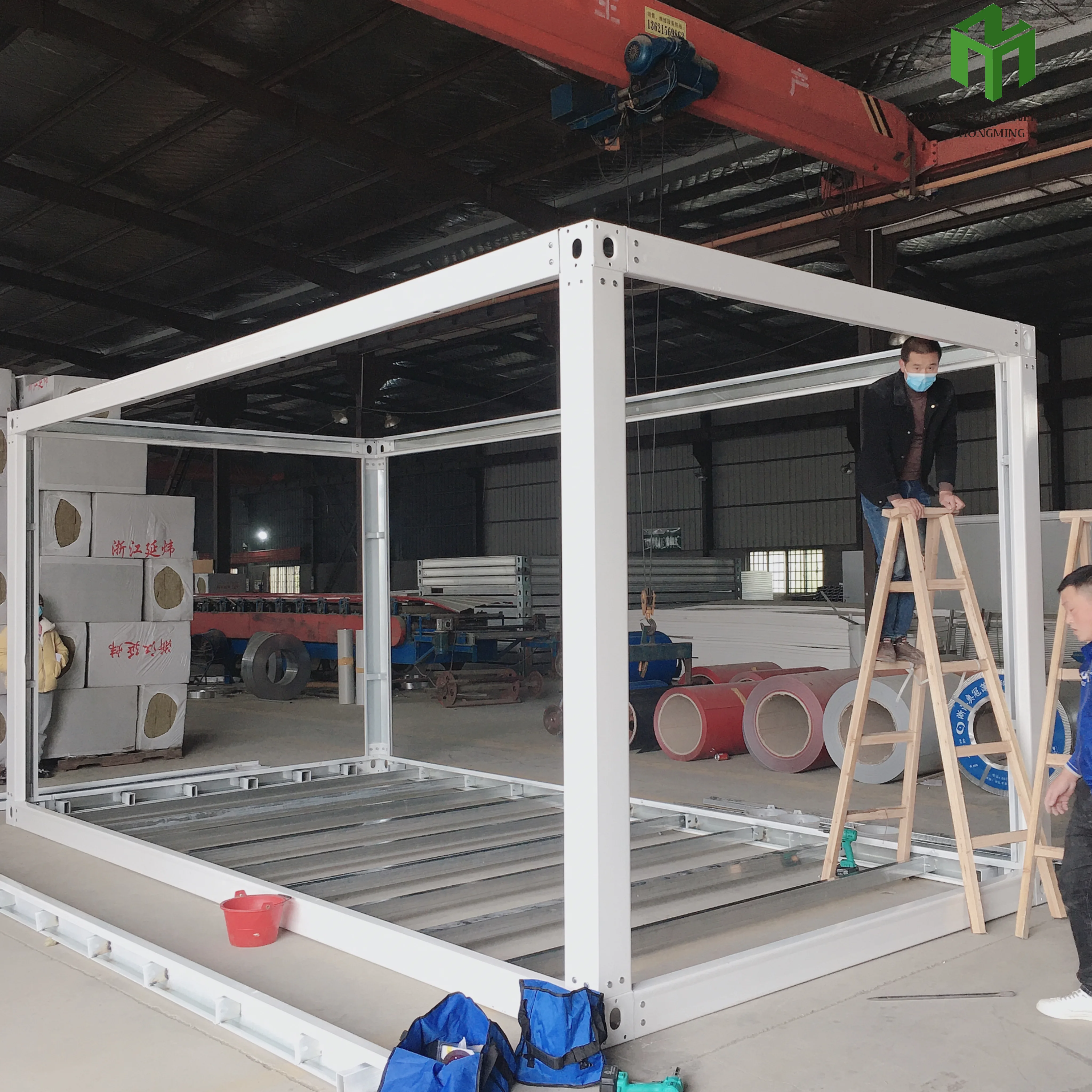
The comparison between imported container housing solutions and domestic alternatives involves multiple factors beyond initial cost considerations. Quality standards, delivery timelines, customization capabilities, and long-term durability all play crucial roles in determining overall value. Understanding these variables helps stakeholders make informed decisions that align with their specific project requirements and budget constraints.
This comprehensive analysis examines the key differentiators between china container house options and local alternatives, providing insights into manufacturing processes, material quality, pricing structures, and performance characteristics. By evaluating both short-term and long-term implications, decision-makers can better assess which solution delivers superior value for their particular circumstances.
Manufacturing Excellence and Quality Standards
Advanced Production Capabilities
Chinese container house manufacturers have established sophisticated production facilities that leverage economies of scale and advanced automation technologies. These facilities typically operate with standardized quality control systems that ensure consistent product specifications across large production runs. The manufacturing infrastructure supporting china container house production often includes specialized equipment for precision cutting, welding, and finishing processes that may not be readily available in smaller local markets.
The integration of modern manufacturing technologies allows Chinese producers to maintain tight tolerances and uniform quality standards throughout their product lines. Computer-controlled cutting systems ensure precise dimensions, while automated welding processes provide consistent joint quality that meets international structural standards. This level of manufacturing sophistication contributes significantly to the overall reliability and performance of the final product.
Quality assurance protocols implemented by leading Chinese manufacturers typically include multi-stage inspection processes, material certification procedures, and performance testing protocols. These comprehensive quality management systems help ensure that each china container house unit meets or exceeds specified requirements before shipment to international markets.
Material Selection and Sourcing
The material supply chain supporting Chinese container house production benefits from access to high-grade steel and other construction materials at competitive prices. Large-scale procurement capabilities enable manufacturers to secure premium materials while maintaining cost efficiency, often resulting in superior material quality compared to what might be available through local suppliers in smaller markets.
Steel grades used in china container house construction typically conform to international standards such as ASTM or ISO specifications, ensuring compatibility with global building codes and structural requirements. The consistent availability of certified materials through established supply chains reduces the risk of quality variations that might occur with local sourcing in markets with limited supplier options.
Advanced coating systems and corrosion protection treatments applied during manufacturing provide enhanced durability and weather resistance. These protective systems are often more sophisticated than those available through local suppliers, contributing to extended service life and reduced maintenance requirements over the structure's operational period.
Cost Analysis and Economic Considerations
Initial Investment Comparison
The upfront cost structure for china container house solutions typically includes the unit price, shipping expenses, and import duties, which must be weighed against local construction costs that encompass materials, labor, permits, and project management fees. While shipping costs can be significant for international purchases, the base unit pricing often provides substantial savings that offset transportation expenses, particularly for larger orders.
Local construction costs vary significantly by region but generally include premium pricing for skilled labor, extended project timelines, and potential cost overruns due to weather delays or material availability issues. The predictable pricing structure of manufactured container units helps eliminate many of the cost uncertainties associated with traditional construction projects.
Bulk purchasing opportunities available with chinese manufacturers can provide additional cost advantages for projects requiring multiple units. Volume discounts and standardized configurations help reduce per-unit costs significantly compared to custom local construction approaches that require individual design and building processes for each structure.
Long-term Value Proposition
The durability characteristics of properly manufactured container housing can provide superior long-term value through reduced maintenance requirements and extended service life. High-quality china container house units often incorporate advanced protective coatings and structural designs that resist environmental degradation better than some locally constructed alternatives using conventional materials.
Energy efficiency features integrated into modern container house designs can result in ongoing operational cost savings through reduced heating and cooling expenses. Insulation systems, window specifications, and thermal bridging solutions implemented during manufacturing often exceed the performance levels achieved through typical local construction practices.
The modular nature of container construction enables easier relocation, expansion, or reconfiguration compared to permanent local construction. This flexibility can provide significant economic advantages for businesses or applications where future modifications or relocations might be necessary, protecting the investment value over time.
Design Flexibility and Customization Options
Modular Configuration Capabilities
Modern china container house manufacturers offer extensive customization options that rival or exceed those available through local construction methods. Standardized connection systems enable multiple units to be combined into larger configurations, while interior layout modifications can accommodate diverse functional requirements ranging from residential to commercial applications.
The factory-controlled environment allows for precise installation of electrical systems, plumbing, HVAC equipment, and interior finishes before shipping. This level of pre-installation reduces on-site labor requirements and ensures consistent quality standards that might be difficult to achieve through field construction in some local markets.
Advanced design software and engineering capabilities employed by leading manufacturers enable custom solutions that address specific site conditions, climate requirements, and functional needs. These capabilities often match or exceed those available through local architects and contractors, particularly in markets with limited specialized container construction experience.
Aesthetic and Functional Integration
Contemporary china container house designs incorporate architectural elements and finish options that effectively address aesthetic concerns while maintaining the cost and efficiency advantages of modular construction. External cladding systems, window configurations, and roofing options can be tailored to complement local architectural styles and regulatory requirements.
Interior finish packages available from established manufacturers often include high-quality flooring, wall systems, fixtures, and appliances that create comfortable living or working environments. The coordination of these elements during manufacturing ensures proper integration and consistent quality throughout the completed structure.
Specialized applications such as healthcare facilities, educational buildings, or hospitality structures can be accommodated through custom design and engineering services. These specialized solutions leverage the cost efficiency of container construction while meeting the specific performance and regulatory requirements of different building types.
Installation and Project Timeline Advantages
Rapid Deployment Benefits
The pre-fabricated nature of china container house units enables dramatically reduced installation timelines compared to conventional local construction methods. Site preparation requirements are typically minimal, and foundation systems can often be simplified compared to traditional building approaches, further accelerating project completion schedules.
Weather independence during the manufacturing phase eliminates seasonal construction delays that commonly affect local building projects. Units arrive on-site essentially complete, requiring only final connections and minor finishing work to become operational. This predictable timeline provides significant advantages for time-sensitive applications or projects with fixed occupancy requirements.
The reduced on-site labor requirements minimize coordination challenges and potential skill availability issues that might delay local construction projects. Simple installation procedures can often be completed by general contractors without specialized container construction experience, reducing dependency on limited specialist trades.
Quality Control and Consistency
Factory-controlled manufacturing environments provide superior quality control compared to field construction conditions where weather, temperature, and site constraints can affect workmanship quality. Each china container house unit undergoes systematic inspection and testing procedures before shipment, ensuring consistent quality standards across all delivered units.
Standardized manufacturing processes eliminate the variability often associated with different local contractors, subcontractors, and craftsmen. This consistency ensures predictable performance characteristics and reduces the risk of quality-related issues that might require costly remediation after project completion.
Pre-installation testing of all systems and components verifies proper operation before site delivery, minimizing startup issues and ensuring immediate functionality upon installation. This level of pre-commissioning is rarely achievable with traditional construction methods where system integration occurs entirely in the field.
Regulatory Compliance and Building Standards
International Code Compatibility
Reputable china container house manufacturers design their products to comply with major international building codes and standards, including ICC, IBC, and various regional requirements. This proactive approach to code compliance often simplifies the permitting process compared to custom local designs that require individual engineering analysis and approval procedures.
Structural engineering documentation and certified test reports provided by established manufacturers facilitate regulatory approval processes in most jurisdictions. These comprehensive technical packages often exceed the documentation quality available from smaller local contractors or suppliers who may lack the resources for extensive testing and certification programs.
Fire safety systems, accessibility features, and environmental performance characteristics incorporated into modern container house designs address current regulatory requirements while providing flexibility for future code updates. This forward-looking approach helps protect long-term compliance and operational viability.
Local Adaptation Requirements
While china container house units are designed for broad code compliance, local adaptation may be required to address specific regional requirements such as seismic design criteria, wind load specifications, or climate-specific insulation standards. Leading manufacturers typically provide engineering support to facilitate these adaptations without compromising the core product advantages.
Foundation interface details and utility connection specifications can be customized to match local standards and practices while maintaining the efficiency advantages of prefabricated construction. This flexibility ensures compatibility with local infrastructure and construction practices without requiring extensive field modifications.
Ongoing technical support from manufacturers helps address regulatory questions or modification requirements that may arise during the permitting process. This support capability often exceeds what might be available from local suppliers or contractors with limited container construction experience.
FAQ
What are the typical shipping costs for importing a china container house
Shipping costs for china container house units vary based on destination, unit size, and current freight rates, typically ranging from $2,000 to $8,000 per unit for standard residential-sized containers. Ocean freight represents the most cost-effective shipping method for most destinations, while expedited air freight options are available for urgent projects at premium pricing. Multiple units can often share container space or be shipped together to reduce per-unit transportation costs significantly.
How do building permits work for imported container houses
Building permits for china container house installations generally follow the same procedures as conventional construction, requiring structural drawings, engineering calculations, and compliance documentation. Many established manufacturers provide comprehensive permit packages including certified engineering reports, code compliance documentation, and technical specifications that facilitate the approval process. Local building departments typically evaluate these prefabricated structures using standard residential or commercial building codes, with some jurisdictions having specific guidelines for modular construction.
What warranty coverage is available for chinese container houses
Warranty coverage for china container house units typically includes structural integrity guarantees ranging from 10 to 25 years, component warranties covering electrical, plumbing, and HVAC systems for 1 to 5 years, and surface finish warranties addressing paint and coating performance for 5 to 15 years. Reputable manufacturers often provide comprehensive warranty programs that match or exceed those available from local construction contractors. International warranty service may require coordination with local representatives or authorized service providers depending on the manufacturer and location.
Can container houses be financed like traditional homes
Financing options for china container house purchases have expanded significantly as lenders become more familiar with modular construction methods, with many institutions now offering conventional mortgage products for properly permitted and installed container homes. The key factors for financing approval include permanent foundation installation, compliance with local building codes, and proper classification as real property rather than personal property. Some specialized lenders focus specifically on alternative construction methods and may offer more flexible terms for container house projects than traditional mortgage providers.