
 EN
EN

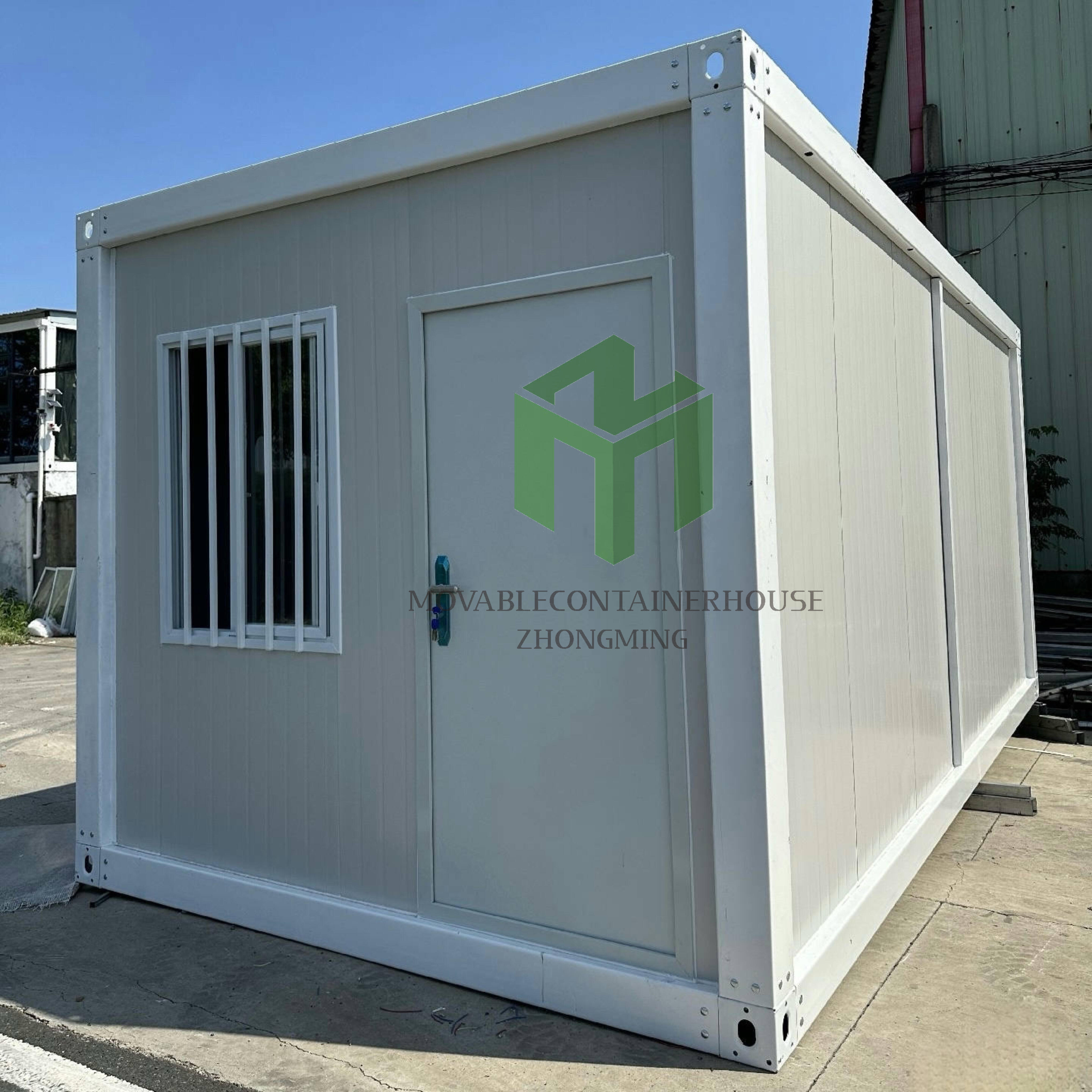
The resilience of modern housing solutions has become increasingly important as extreme weather events continue to rise globally. When considering alternative construction methods, many homeowners and developers wonder about the durability and weather resistance of innovative building designs. A container prefabricated house represents a revolutionary approach to construction that combines structural integrity with practical engineering solutions. These unique structures have gained significant attention for their ability to withstand various environmental challenges while maintaining comfort and functionality. Understanding the weather resistance capabilities of these homes is crucial for making informed decisions about sustainable and reliable housing options.
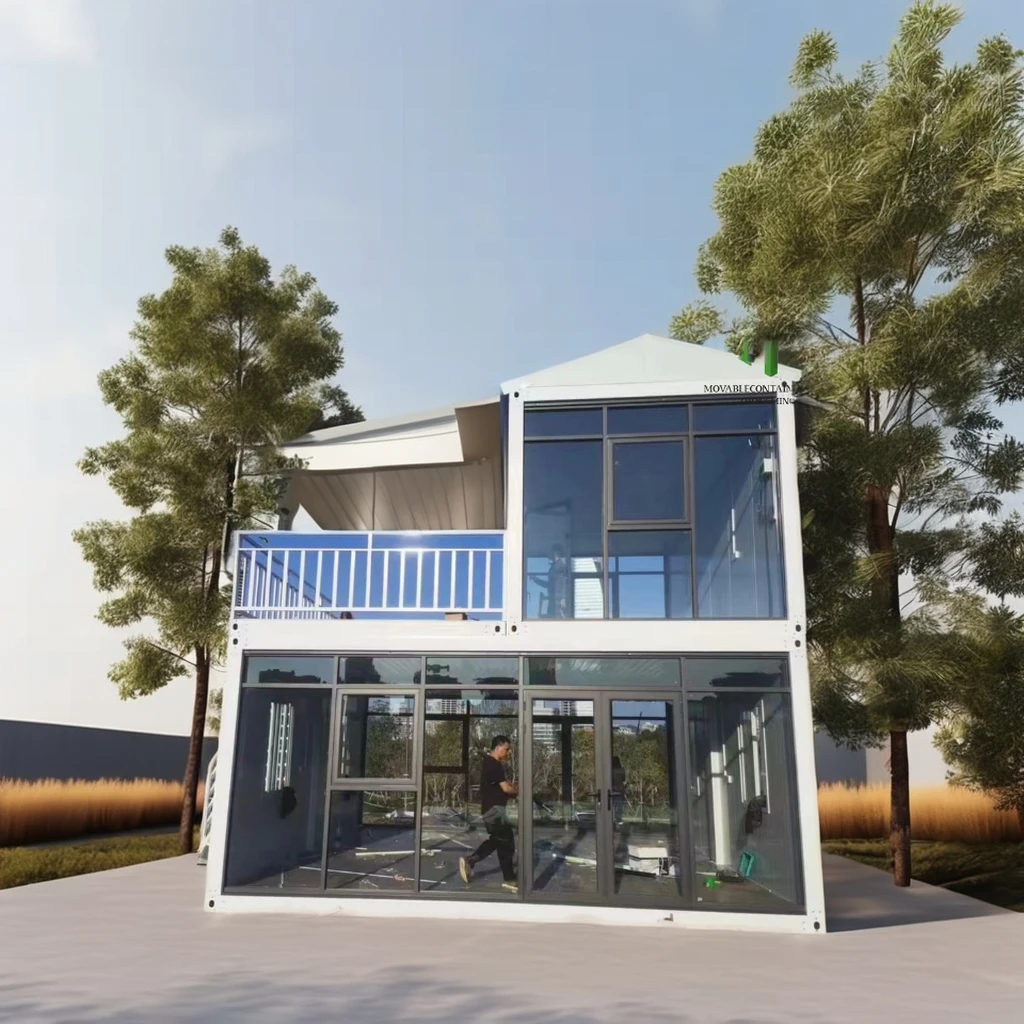
Structural Engineering and Weather Resistance Fundamentals
Steel Framework Advantages in Extreme Conditions
The foundation of any container prefabricated house lies in its robust steel framework, originally designed to withstand the harsh conditions of international shipping. These structures are engineered to handle substantial weight loads, lateral forces, and environmental stresses that far exceed typical residential requirements. The corrugated steel walls provide exceptional strength-to-weight ratios, creating a rigid box structure that can resist wind loads up to 100 miles per hour when properly anchored. The inherent design features that made shipping containers suitable for ocean transport translate directly into superior weather resistance for residential applications.
Modern container prefabricated house designs incorporate additional structural reinforcements that enhance their weather resistance capabilities. Engineers often add supplementary steel framing, reinforced connection points, and strategic bracing systems to optimize performance under extreme weather conditions. These modifications ensure that the structure maintains its integrity during severe storms, high winds, and other challenging environmental scenarios. The modular nature of container construction also allows for customized reinforcement based on specific regional climate requirements and local building codes.
Insulation and Weatherproofing Technologies
Advanced insulation systems play a critical role in the weather resistance of container prefabricated house structures. High-performance insulation materials, including spray foam, rigid board insulation, and reflective barriers, create comprehensive thermal envelopes that protect against temperature extremes. These systems not only maintain comfortable interior conditions but also prevent condensation issues that could compromise structural integrity over time. Proper insulation installation ensures consistent performance across various climate zones and seasonal weather patterns.
Weatherproofing technologies for container homes extend beyond basic insulation to include advanced moisture management systems. Vapor barriers, drainage planes, and breathable wall assemblies work together to prevent water infiltration while allowing necessary moisture transfer. Professional weatherization techniques ensure that seams, joints, and penetrations are properly sealed against wind-driven rain, snow, and humidity. These comprehensive weatherproofing approaches create durable building envelopes that maintain their protective qualities throughout extended exposure to harsh weather conditions.
Performance in Specific Weather Scenarios
Wind Resistance and Hurricane Preparedness
Wind resistance represents one of the most critical performance characteristics for any container prefabricated house in extreme weather conditions. The aerodynamic profile and structural design of container homes provide inherent advantages when facing high wind events. Proper foundation systems, including concrete footings, helical piers, or slab foundations, create secure anchoring points that prevent uplift and lateral movement during severe windstorms. Professional engineering calculations ensure that anchoring systems meet or exceed local wind load requirements for residential structures.
Hurricane-prone regions require specialized considerations for container home installations, including enhanced anchoring systems, impact-resistant windows, and reinforced entry points. The compact design of a container prefabricated house reduces wind exposure compared to traditional homes with complex rooflines and multiple projections. Strategic placement of ventilation openings, utility connections, and architectural features minimizes wind pressure differentials that could stress the structure. Many container homes in hurricane zones incorporate additional tie-down systems and storm shutters to provide maximum protection during severe weather events.
Snow Load Management and Cold Weather Performance
Snow load management becomes essential for container prefabricated house installations in regions experiencing heavy winter precipitation. The flat or low-slope roofing systems common in container designs require careful engineering to handle accumulated snow weights safely. Structural calculations consider factors such as regional snow load requirements, roof drainage systems, and thermal bridging prevention to ensure safe operation throughout winter months. Professional installation includes appropriate roof reinforcement and drainage solutions to prevent ice dam formation and excessive load accumulation.
Cold weather performance of container homes depends heavily on insulation quality, heating system design, and moisture control strategies. The steel construction of container structures creates potential thermal bridging issues that must be addressed through continuous insulation systems and thermal breaks. Proper vapor barrier installation prevents condensation problems that could lead to structural damage or indoor air quality issues. Advanced heating systems, including radiant floor heating and high-efficiency HVAC equipment, maintain comfortable temperatures while minimizing energy consumption during extended cold periods.
Advanced Weather Protection Features
Waterproofing and Flood Resistance
Comprehensive waterproofing systems protect container prefabricated house structures from water damage caused by heavy rainfall, flooding, and ground moisture. Multiple layers of protection, including foundation waterproofing, exterior wall coatings, and roof membrane systems, create redundant barriers against water infiltration. Proper grading and drainage systems direct water away from the structure while preventing pooling around the foundation. These integrated approaches ensure long-term durability even in areas prone to seasonal flooding or extended periods of heavy precipitation.
Flood-resistant design features can be incorporated into container prefabricated house installations through elevated foundations, flood vents, and water-resistant materials. Raised foundation systems lift living spaces above potential flood levels while maintaining structural stability. Strategic placement of utilities, electrical systems, and mechanical equipment above anticipated flood levels prevents costly damage and reduces recovery time after flood events. Emergency access features, including exterior stairs and elevated entry points, ensure safe evacuation routes during flood emergencies.
Fire Resistance and Heat Protection
Fire resistance capabilities of container homes depend on insulation materials, interior finishes, and defensive space management around the structure. Non-combustible steel construction provides inherent fire resistance compared to wood-frame buildings, but proper insulation selection remains critical for overall fire safety. Fire-rated insulation materials, including mineral wool and certain foam products, maintain their protective properties during fire exposure while preventing flame spread through building assemblies. Professional installation ensures that fire-stopping materials properly seal penetrations and maintain fire ratings throughout the structure.
Heat protection strategies for container prefabricated house designs include reflective roofing systems, exterior shading devices, and thermal mass management. Cool roofing materials and reflective coatings reduce solar heat gain while maintaining structural temperatures within acceptable ranges. Strategic window placement, overhangs, and landscaping features provide natural cooling and reduce mechanical cooling loads during extreme heat events. These integrated approaches create comfortable living environments while protecting structural components from thermal stress and degradation.
Installation and Maintenance Considerations
Professional Installation Standards
Professional installation standards ensure optimal weather resistance performance for container prefabricated house projects. Certified installers understand the specific requirements for foundation preparation, utility connections, and weatherproofing systems that maximize structural durability. Proper site preparation includes soil analysis, drainage evaluation, and wind exposure assessment to determine appropriate foundation and anchoring requirements. Quality control procedures during installation verify that all weather resistance features function as designed and meet manufacturer specifications.
Installation quality directly impacts long-term weather resistance performance and structural integrity. Professional contractors follow established protocols for sealing joints, installing insulation, and connecting modular components to ensure weather-tight assemblies. Comprehensive inspection procedures verify that all weatherproofing systems, drainage features, and structural connections meet engineering requirements. Documentation of installation procedures provides valuable reference information for future maintenance and warranty support.
Ongoing Maintenance Requirements
Regular maintenance schedules preserve the weather resistance capabilities of container prefabricated house structures throughout their service life. Routine inspections focus on sealing integrity, drainage function, and structural connections that could be affected by weather exposure. Preventive maintenance includes cleaning gutters, inspecting roof membranes, and checking foundation drainage systems to prevent water-related problems. Professional maintenance services can identify potential issues before they compromise weather resistance performance or require costly repairs.
Seasonal maintenance activities address specific weather-related challenges and prepare container homes for upcoming weather conditions. Pre-winter preparations include heating system servicing, insulation inspection, and snow removal equipment preparation. Spring maintenance focuses on drainage system cleaning, exterior coating inspection, and structural assessment after winter weather exposure. These proactive approaches ensure consistent weather resistance performance while extending the overall service life of container prefabricated house installations.
FAQ
How do container prefabricated houses perform during tornado events
Container prefabricated houses can withstand moderate tornado conditions when properly anchored and engineered for local wind loads. The steel construction and compact design provide superior resistance to wind forces compared to traditional wood-frame construction. However, direct tornado strikes with extreme wind speeds may still cause damage, making proper anchoring systems and storm shelters essential safety features in tornado-prone areas.
What temperature ranges can container homes handle effectively
With proper insulation and heating systems, container prefabricated houses can operate effectively in temperature ranges from -40°F to 120°F. The key factors include insulation quality, thermal bridging prevention, and appropriate HVAC system sizing. Cold climate installations require continuous insulation systems and vapor barriers, while hot climate applications benefit from reflective roofing and strategic ventilation design.
Do container homes require special foundations for weather resistance
Foundation requirements for container prefabricated houses depend on local soil conditions, climate factors, and wind load requirements. Standard options include concrete slab foundations, pier and beam systems, or helical pier installations. Proper foundation design ensures adequate load transfer, prevents frost heaving in cold climates, and provides necessary anchoring resistance for wind loads.
How long do weather protection systems last in container homes
Weather protection systems in container prefabricated houses typically last 15-25 years with proper maintenance, though individual components may have different service lives. Roof membranes may require replacement every 15-20 years, while exterior coatings need renewal every 10-15 years. Regular maintenance and quality initial installation significantly extend the service life of weather protection systems and ensure consistent performance throughout the structure's lifetime.