
 EN
EN

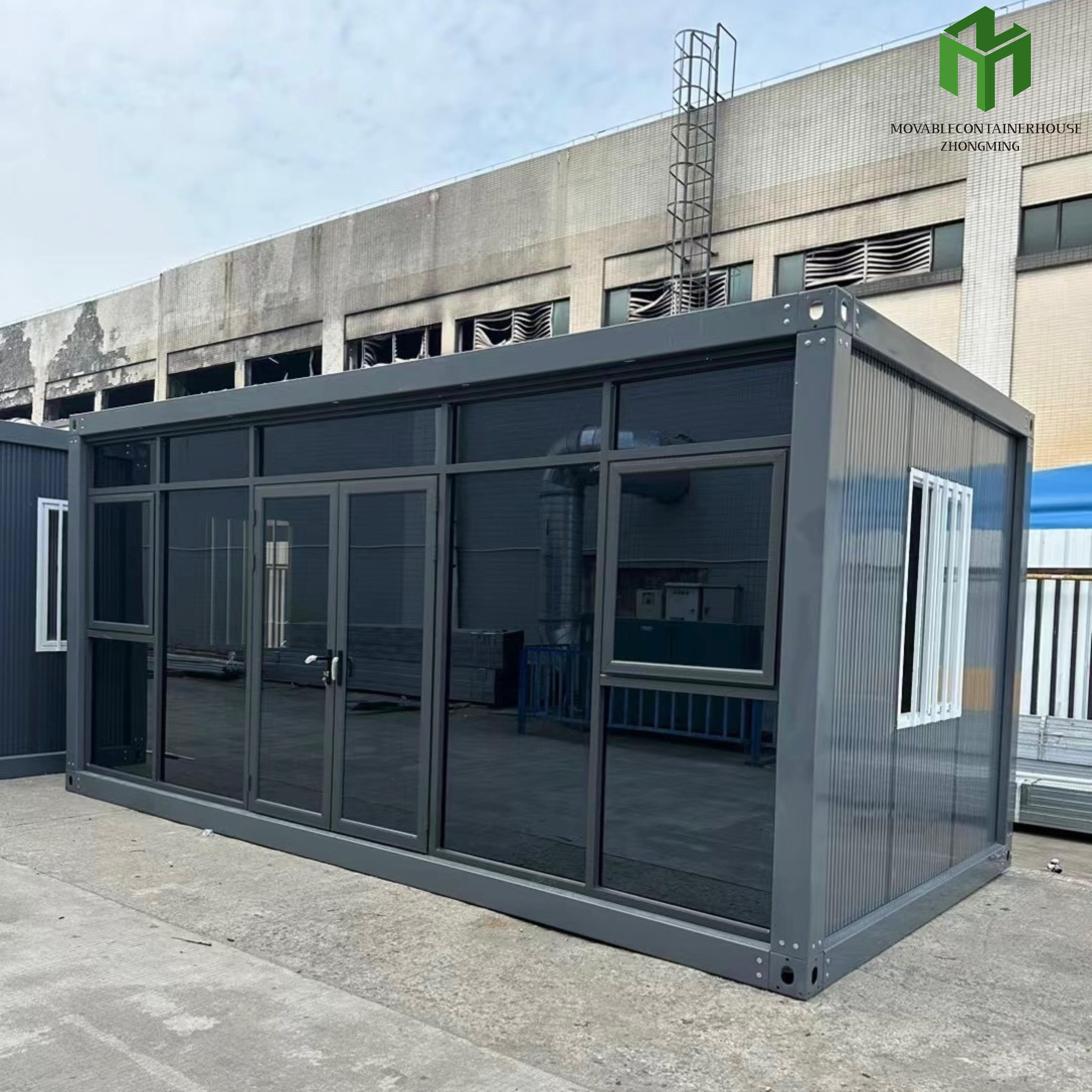
The construction industry is witnessing a remarkable transformation as innovative building solutions emerge to address housing shortages, environmental concerns, and evolving lifestyle preferences. Among these groundbreaking developments, the modular container house has emerged as a game-changing approach that combines sustainability, affordability, and design flexibility in ways traditional construction methods simply cannot match. This revolutionary housing concept is reshaping how we think about residential and commercial architecture, offering solutions that were once considered impossible within conventional building frameworks.
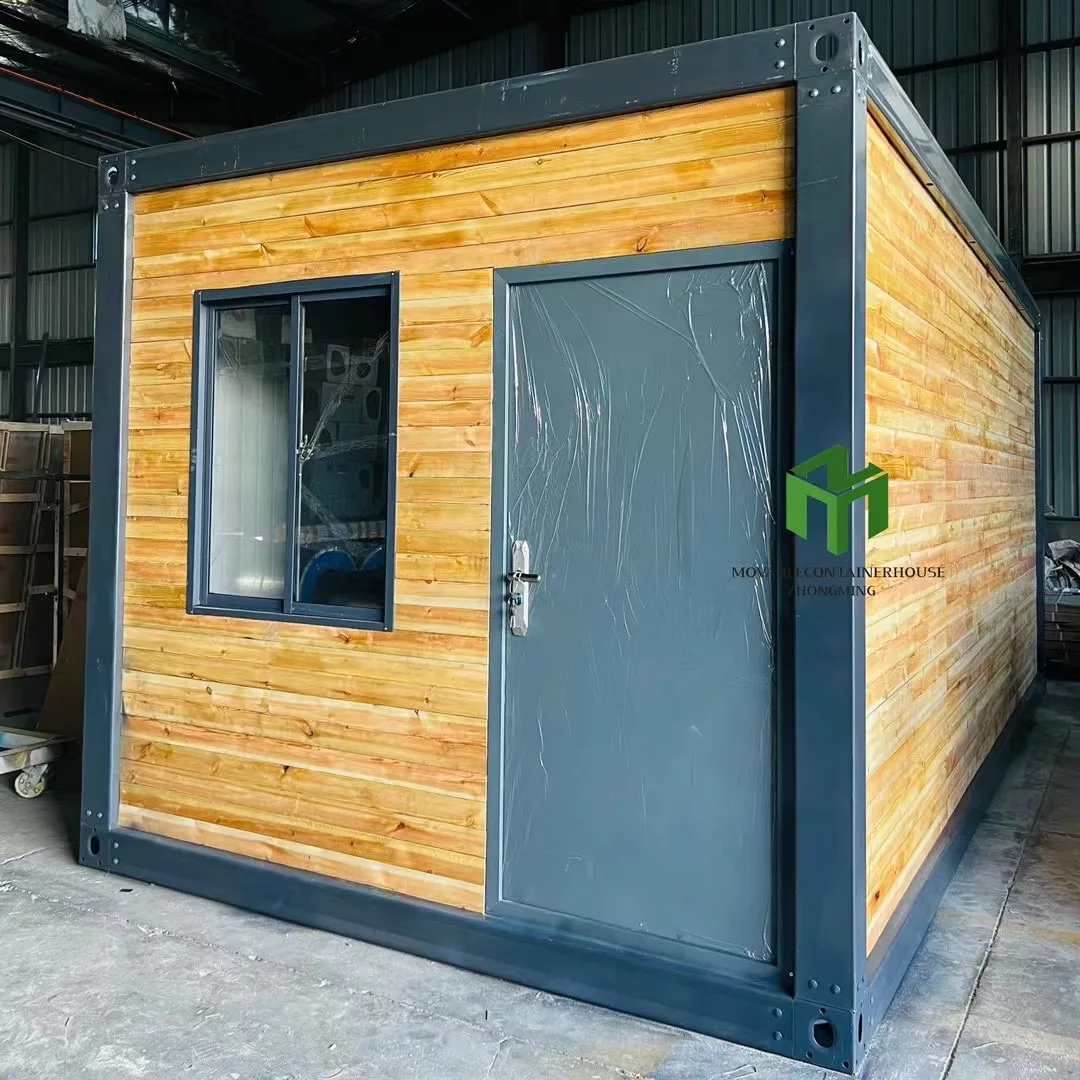
Modern housing challenges demand innovative solutions that can be deployed rapidly while maintaining quality, durability, and aesthetic appeal. The modular container house represents a paradigm shift from traditional brick-and-mortar construction, utilizing repurposed shipping containers as the foundation for sophisticated residential and commercial structures. These versatile building units offer unprecedented flexibility in design and functionality, allowing architects and builders to create customized living spaces that meet specific requirements while maintaining cost-effectiveness and environmental responsibility.
Architectural Innovation Through Container Engineering
Structural Design Capabilities
The engineering principles behind modular container house construction leverage the inherent strength and durability of shipping containers, which are originally designed to withstand extreme weather conditions and heavy cargo loads during ocean transport. These steel structures provide exceptional structural integrity, making them ideal building blocks for residential and commercial applications. Professional architects and engineers have developed sophisticated techniques to modify and combine containers while maintaining their load-bearing capacity and structural soundness.
Advanced welding techniques and reinforcement systems allow multiple containers to be connected seamlessly, creating expansive living spaces that can span multiple levels and configurations. The modular nature of container construction enables architects to experiment with creative layouts, including cantilevered sections, stacked arrangements, and interconnected modules that form complex architectural compositions. These design possibilities were previously limited by traditional construction methods and material constraints.
Customization and Flexibility Features
Contemporary modular container house designs incorporate extensive customization options that allow homeowners to personalize their living spaces according to individual preferences and functional requirements. Interior modifications can include full kitchen installations, bathroom facilities, bedroom configurations, and open-plan living areas that rival traditional homes in comfort and functionality. External modifications may feature decking systems, covered porches, and architectural elements that integrate seamlessly with existing landscapes and neighborhood aesthetics.
The flexibility inherent in container construction allows for future expansions and modifications without major structural renovations. Additional modules can be connected to existing structures, creating expanded living spaces as family needs change or business requirements grow. This adaptability represents a significant advantage over traditional construction methods, which often require extensive demolition and rebuilding to accommodate changes in spatial requirements.
Environmental Sustainability and Ecological Impact
Resource Conservation Benefits
The environmental benefits of modular container house construction extend far beyond simple recycling concepts, encompassing comprehensive resource conservation strategies that significantly reduce the ecological footprint of residential construction. By repurposing decommissioned shipping containers, builders prevent thousands of tons of steel from entering landfills while simultaneously reducing the demand for new construction materials. This circular economy approach represents a fundamental shift toward sustainable building practices.
Manufacturing a single modular container house typically requires 60-70% fewer raw materials compared to equivalent traditional construction projects. The reduced material requirements translate directly into lower carbon emissions throughout the construction process, from material extraction and processing to transportation and assembly. Additionally, the standardized dimensions of shipping containers minimize construction waste, as modifications are precisely planned and executed with minimal material spillage.
Energy Efficiency Integration
Modern modular container house designs incorporate advanced energy efficiency technologies that often surpass the performance of conventional residential construction. High-performance insulation systems, energy-efficient windows, and sophisticated HVAC solutions can be integrated seamlessly into container structures, creating living spaces that maintain comfortable temperatures year-round while minimizing energy consumption. Solar panel installations and renewable energy systems are particularly well-suited to container construction due to the simplified roof structures and electrical integration possibilities.
The compact nature of container-based living spaces naturally promotes energy conservation through reduced heating and cooling requirements. Strategic orientation and window placement can maximize natural lighting while minimizing unwanted heat gain, further reducing energy consumption. Many modular container house installations achieve net-zero energy performance through the combination of efficient design and renewable energy integration, representing a significant advancement in sustainable residential construction.
Economic Advantages and Cost-Effectiveness
Construction Cost Analysis
The financial benefits of modular container house construction become apparent when analyzing both initial investment requirements and long-term operational costs. Construction timelines are dramatically reduced compared to traditional building methods, with complete residential units often completed within weeks rather than months. This accelerated construction schedule translates into significant cost savings through reduced labor expenses, shorter equipment rental periods, and faster occupancy timelines.
Material costs for modular container house projects are typically 30-50% lower than equivalent traditional construction, primarily due to the standardized nature of container units and the reduced complexity of foundation requirements. The prefabricated nature of container construction eliminates many weather-related delays and quality control issues that commonly affect traditional building projects, resulting in more predictable cost outcomes and reduced financial risk for developers and homeowners.
Market Value and Investment Potential
The growing acceptance and popularity of modular container house designs have created new investment opportunities in residential and commercial real estate markets. Properties featuring innovative container construction often command premium prices due to their unique aesthetic appeal, environmental credentials, and modern amenities. The modularity of these structures also provides flexibility for investors to expand or reconfigure properties based on changing market demands.
Rental market performance for modular container house properties has exceeded expectations in many urban markets, particularly among environmentally conscious tenants and those seeking unique living experiences. The distinctive architectural character and sustainable features of container homes appeal to demographic segments that are willing to pay premium rents for properties that align with their values and lifestyle preferences.
Technical Implementation and Construction Processes
Foundation and Site Preparation
The foundation requirements for modular container house construction are significantly simplified compared to traditional building methods, yet they must be carefully engineered to ensure structural stability and longevity. Concrete pad foundations, pier systems, and basement installations can all accommodate container placement, with specific requirements determined by local building codes, soil conditions, and structural loads. The standardized dimensions of shipping containers facilitate precise foundation planning and reduce excavation requirements.
Site preparation for container installation involves careful consideration of access routes, utility connections, and local zoning requirements. Many jurisdictions have developed specific regulations governing container construction, and professional builders must ensure compliance with local building codes while maintaining the cost and time advantages inherent in modular construction methods. Proper site preparation also includes provisions for drainage, landscaping, and integration with existing infrastructure systems.
Utility Integration and Systems Installation
Modern modular container house installations require sophisticated utility integration that matches or exceeds the convenience and functionality of traditional residential construction. Electrical systems, plumbing, HVAC, and telecommunications infrastructure must be carefully planned and installed to provide reliable service while maintaining the structural integrity of the container units. Professional electricians and plumbers with container construction experience are essential for ensuring safe and code-compliant installations.
Advanced building management systems can be integrated into modular container house designs, providing automated control of lighting, temperature, security, and energy management functions. These smart home technologies are particularly well-suited to container construction due to the compact and well-defined spaces that facilitate comprehensive system integration. The result is often a more technologically advanced living environment than traditional construction methods can easily accommodate.
Design Trends and Aesthetic Possibilities
Contemporary Architectural Styles
The aesthetic potential of modular container house design has evolved dramatically as architects and designers have embraced the unique characteristics of container construction while addressing traditional concerns about industrial appearance. Contemporary designs successfully integrate container elements with conventional architectural materials, creating hybrid structures that combine the efficiency of modular construction with the visual appeal of traditional residential design. Wood cladding, stone veneer, and modern siding materials can be applied to container exteriors, creating seamless integration with surrounding architectural contexts.
Interior design possibilities for modular container house construction have expanded to include luxurious finishes, high-end appliances, and sophisticated spatial arrangements that rival traditional custom homes. Open-plan layouts maximize the sense of space within container dimensions, while strategic window placement and skylights create bright, airy living environments. The industrial aesthetic of exposed steel structure can be embraced as a design feature or completely concealed through interior finishing techniques.
Landscape Integration and Site Design
Successful modular container house installations require thoughtful landscape design that complements the architectural elements while providing functional outdoor living spaces. Deck systems, gardens, and hardscape features can be integrated seamlessly with container structures, creating cohesive residential environments that enhance both indoor and outdoor living experiences. The elevated nature of many container installations provides opportunities for creative landscape solutions, including green roofs, vertical gardens, and multi-level outdoor spaces.
Site planning for modular container house developments must consider the unique characteristics of container construction while addressing conventional residential planning concerns such as privacy, parking, utilities, and community integration. Successful projects often feature clustered arrangements that create private courtyards or shared community spaces while maintaining individual unit privacy and functionality.
Regulatory Compliance and Building Standards
Code Compliance Requirements
The regulatory landscape for modular container house construction continues to evolve as building officials and code enforcement agencies develop expertise with these innovative construction methods. Most jurisdictions require container structures to meet the same safety, structural, and habitability standards as conventional residential construction, which necessitates professional engineering review and building permit approval. Compliance with local zoning regulations, setback requirements, and architectural design standards must be carefully addressed during the planning process.
Professional architects and engineers specializing in container construction can navigate the regulatory approval process more efficiently than general contractors unfamiliar with the specific requirements of modular building systems. The standardized nature of container construction can actually simplify some aspects of code compliance, as structural calculations and safety systems can be more easily verified and approved by building officials familiar with container specifications.
Quality Assurance and Standards
Quality control for modular container house construction requires specialized knowledge of both container modification techniques and residential construction standards. Professional builders must ensure that structural modifications maintain the integrity of container units while providing the functionality required for residential occupancy. This includes proper insulation installation, moisture control systems, and structural reinforcement at connection points between multiple container units.
Industry standards for container construction continue to develop as the market matures and best practices become established through practical experience and professional collaboration. Certification programs and professional training opportunities are increasingly available for contractors, architects, and engineers interested in specializing in modular container house construction techniques.
FAQ
What are the typical costs associated with building a modular container house
The cost of a modular container house varies significantly based on size, customization level, and location, but typically ranges from $50,000 to $200,000 for a completed residential unit. Basic single-container conversions may cost as little as $30,000, while multi-container luxury homes can exceed $300,000. These costs generally represent 30-50% savings compared to equivalent traditional construction, with additional savings realized through reduced construction timelines and simplified foundation requirements.
How long does it take to construct a modular container house
Construction timelines for modular container house projects are dramatically shorter than traditional building methods, with single-container residential units often completed within 4-8 weeks from foundation preparation to occupancy. Multi-container developments may require 8-16 weeks depending on complexity and customization requirements. The prefabricated nature of container construction eliminates many weather delays and allows for simultaneous site preparation and container modification work.
Are modular container houses suitable for all climate conditions
Modern modular container house designs can be engineered for virtually any climate condition through proper insulation, weatherproofing, and HVAC system selection. Cold climate installations require additional insulation and heating systems, while hot climate applications benefit from reflective roofing, enhanced ventilation, and efficient cooling systems. Professional design consultation ensures that container homes meet local climate requirements while maintaining energy efficiency and occupant comfort.
What maintenance requirements are specific to modular container house construction
Maintenance requirements for modular container house structures are generally lower than traditional construction due to the durable steel construction of container units. Primary maintenance concerns include exterior paint or coating systems to prevent corrosion, regular inspection of structural connections between multiple containers, and standard residential maintenance of installed systems such as plumbing, electrical, and HVAC components. Proper initial preparation and quality construction techniques minimize long-term maintenance requirements and ensure decades of reliable performance.