
 EN
EN

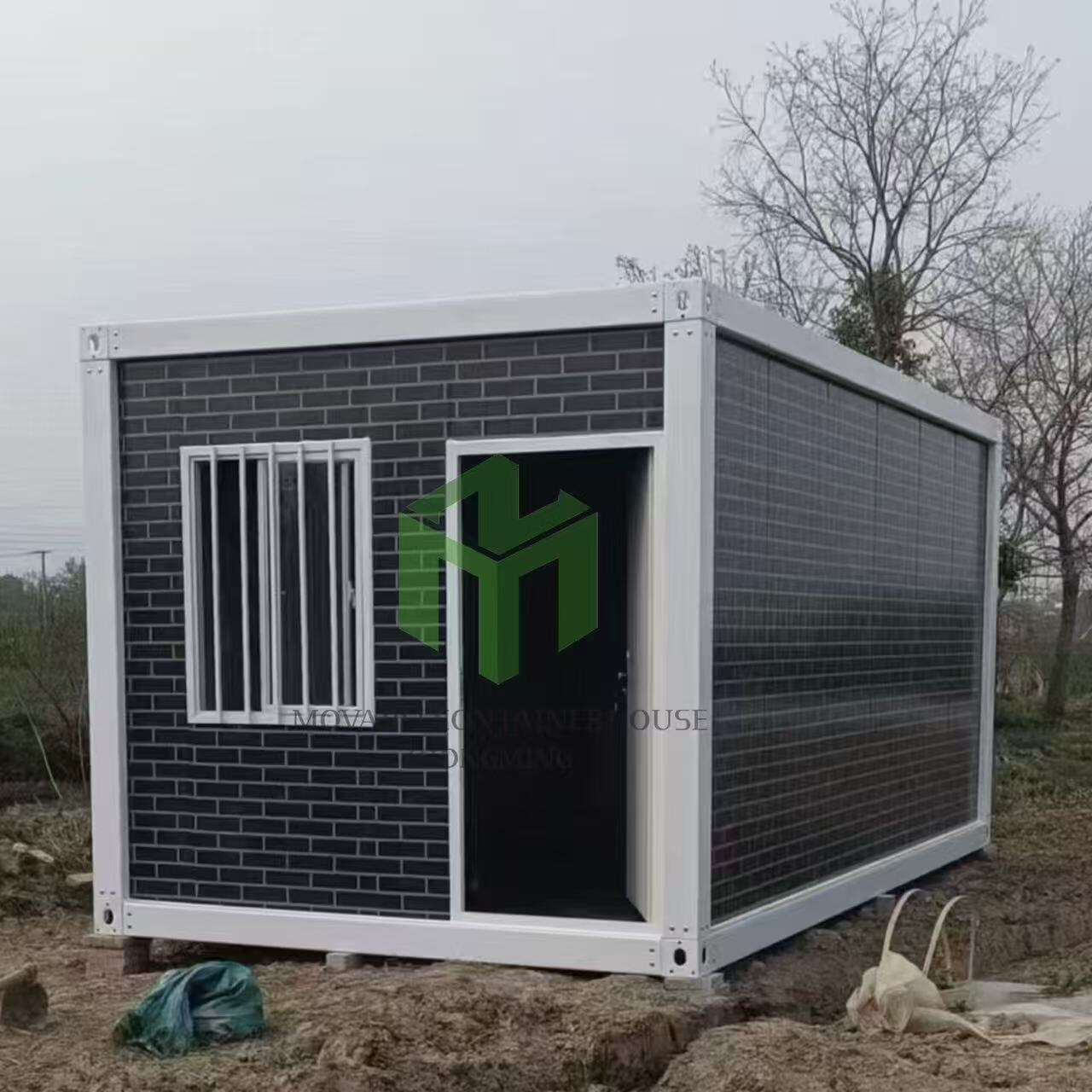
The global demand for affordable, sustainable housing solutions has driven significant interest in importing container-based structures from international markets. When considering a china container house, prospective buyers must navigate complex import regulations, quality standards, and logistical considerations. These modular structures represent an innovative approach to construction that combines cost-effectiveness with environmental responsibility. Understanding the essential factors before making this investment ensures successful project completion and long-term satisfaction with your housing solution.
Understanding Quality Standards and Certifications
International Building Code Compliance
Before importing a china container house, verifying compliance with local building codes represents a critical first step. International building standards vary significantly between countries, and structures manufactured in China must meet specific requirements for your destination market. The International Building Code establishes minimum standards for structural integrity, fire safety, and occupancy classifications that directly impact the viability of your container house project.
Most reputable manufacturers provide detailed engineering reports and certification documents that demonstrate compliance with relevant standards. These documents should include structural calculations, fire resistance ratings, and thermal performance data. Working with manufacturers who understand international code requirements helps ensure your china container house will pass local inspections and receive necessary occupancy permits.
Material Quality and Manufacturing Standards
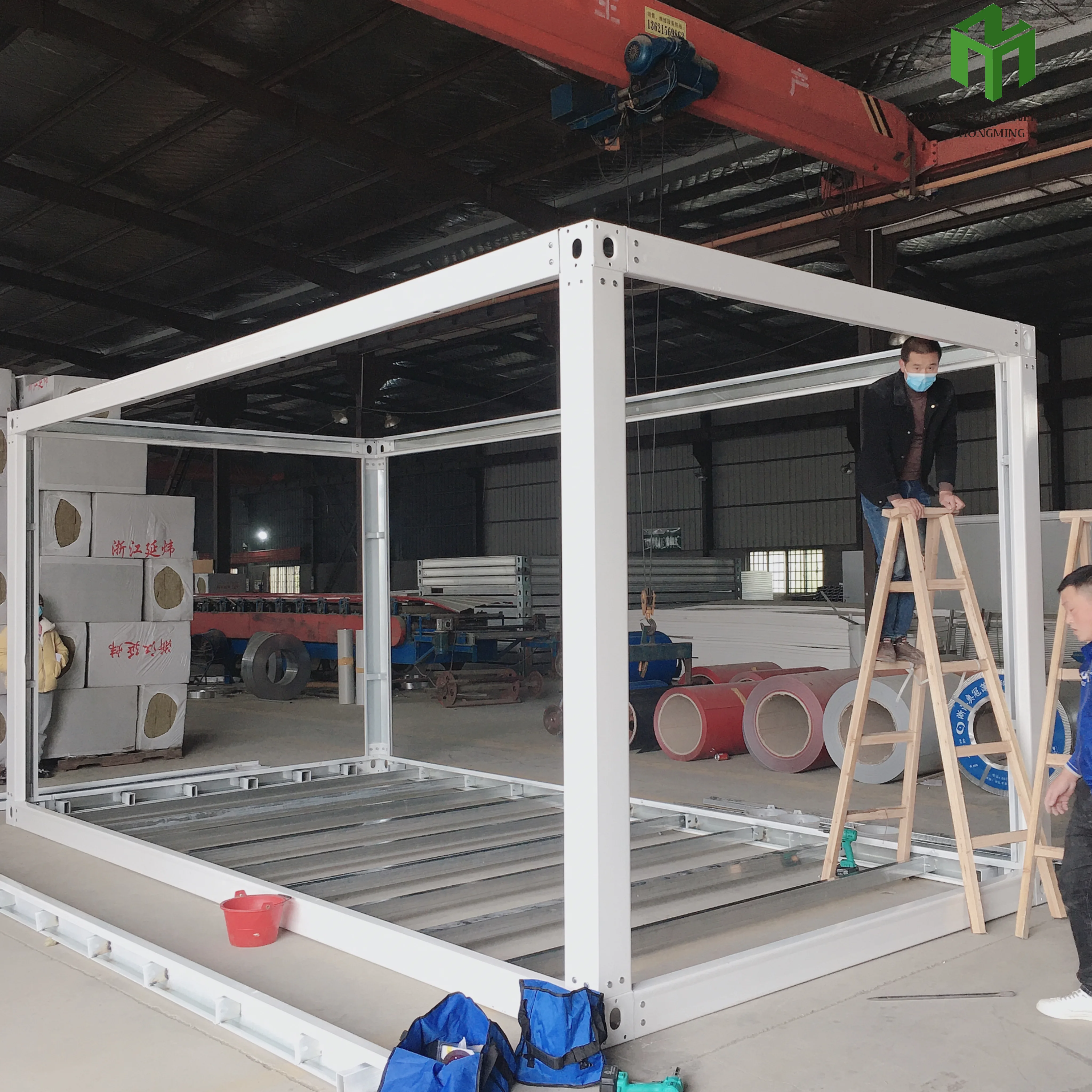
The quality of materials used in china container house construction directly impacts durability, safety, and long-term performance. High-grade steel frames, proper insulation materials, and weather-resistant exterior finishes are essential components that separate quality units from inferior alternatives. Reputable manufacturers use galvanized steel structures that resist corrosion and maintain structural integrity over decades of use.
Manufacturing facilities should maintain ISO certification and implement quality control procedures throughout the production process. Requesting detailed material specifications, including steel grades, insulation R-values, and finish warranties, provides insight into the overall quality of your china container house. Third-party inspection services can verify manufacturing standards and provide independent quality assessments before shipment.
Import Regulations and Documentation Requirements
Customs Classifications and Duty Rates
Importing a china container house requires proper classification under international customs codes, which determines applicable duty rates and regulatory requirements. Container houses typically fall under specific Harmonized System codes that classify them as prefabricated buildings or modular structures. Understanding the correct classification helps avoid delays and unexpected costs during the import process.
Duty rates for container houses vary by destination country and can significantly impact project costs. Many countries offer reduced duty rates for energy-efficient or sustainable building products, potentially reducing overall import expenses. Working with experienced customs brokers ensures proper classification and maximizes available duty reductions for your china container house import.
Required Documentation and Certifications
Successful importation of a china container house requires comprehensive documentation including commercial invoices, packing lists, and bills of lading. Additional certifications may include structural engineering reports, fire safety certificates, and environmental compliance documentation. These documents must be accurate, complete, and properly formatted to avoid customs delays or rejections.
Many countries require specific certifications for prefabricated structures, including energy efficiency ratings and accessibility compliance documentation. Coordinating with manufacturers to ensure all required certifications are obtained before shipment prevents costly delays and potential project cancellations. Legal review of documentation requirements helps identify jurisdiction-specific needs that may not be immediately apparent.
Logistics and Transportation Considerations
Shipping Methods and Timeline Planning
The logistics of transporting a china container house involve careful coordination of manufacturing schedules, shipping arrangements, and delivery timelines. Ocean freight represents the most cost-effective shipping method for container houses, though transit times typically range from three to six weeks depending on destination ports. Planning for extended delivery schedules ensures realistic project timelines and prevents costly rushing of other project components.
Container houses are typically shipped as complete units or in modular sections that require assembly at the destination site. Understanding shipping configurations helps plan for appropriate unloading equipment and site access requirements. Coordinating with freight forwarders experienced in oversized cargo ensures proper handling and reduces risk of transit damage to your china container house.
Site Preparation and Installation Requirements
Proper site preparation is essential for successful installation of any china container house. Foundation requirements vary depending on local soil conditions, climate factors, and building code specifications. Most container houses require concrete pad foundations or pier systems that provide adequate support and drainage for the structure.
Installation typically requires crane services or heavy equipment to position the container house on its foundation. Site access must accommodate delivery trucks and installation equipment, which may require temporary road improvements or utility relocations. Planning these logistics in advance prevents delays and additional costs during the installation phase of your china container house project.
Cost Analysis and Budget Planning
Total Cost of Ownership Calculations
Calculating the true cost of importing a china container house extends beyond the initial purchase price to include shipping, duties, installation, and site preparation expenses. Shipping costs typically represent fifteen to twenty-five percent of the total project budget, depending on destination distance and shipping method selected. Import duties and taxes vary by country but generally range from five to fifteen percent of the declared value.
Installation costs include foundation work, utility connections, and crane services required to position your china container house. Site preparation expenses vary significantly based on terrain, accessibility, and local labor costs. Creating comprehensive budgets that account for all project phases prevents financial surprises and ensures adequate funding for project completion.
Financing Options and Payment Terms
Many manufacturers offer flexible payment terms for china container house purchases, including deposit arrangements and staged payment schedules. Letter of credit financing provides security for both buyers and sellers in international transactions. Understanding available financing options helps optimize cash flow and reduces financial risk throughout the import process.
Some financial institutions offer specialized lending products for alternative housing projects, including container house imports. These programs may provide favorable interest rates or extended repayment terms compared to traditional construction loans. Exploring financing options early in the planning process ensures adequate funding availability when needed for your china container house project.
Supplier Selection and Due Diligence
Manufacturer Evaluation Criteria
Selecting a reputable manufacturer is crucial for successful china container house importation. Established manufacturers typically have extensive portfolios of completed projects, international certifications, and positive customer references. Factory visits or virtual tours provide insight into manufacturing capabilities and quality control procedures.
Manufacturer evaluation should include assessment of technical capabilities, financial stability, and customer service quality. Companies with international experience understand export documentation requirements and can provide necessary certifications for your destination market. Requesting references from previous customers provides valuable insights into manufacturer reliability and product quality for china container house projects.
Contract Terms and Quality Guarantees
Comprehensive contracts should clearly define product specifications, delivery schedules, and quality guarantees for your china container house. Payment terms, shipping responsibilities, and warranty coverage require careful negotiation to protect buyer interests. International contracts should specify dispute resolution procedures and applicable legal jurisdictions.
Quality guarantees typically cover structural integrity, weather resistance, and material defects for specified warranty periods. Understanding warranty terms and claim procedures ensures protection against manufacturing defects or performance issues. Some manufacturers offer extended warranties or performance guarantees that provide additional peace of mind for china container house investments.
Regulatory Compliance and Permitting
Local Building Permit Requirements
Obtaining building permits for a china container house requires submission of detailed plans and engineering documentation to local building authorities. Permit requirements vary by jurisdiction and may include structural drawings, electrical plans, and plumbing layouts. Some areas have specific regulations governing prefabricated structures that may impact permit approval processes.
Working with local architects or engineers familiar with container house regulations helps navigate permit requirements efficiently. Professional design services can modify standard plans to meet local code requirements and improve permit approval chances. Early consultation with building officials helps identify potential issues before formal permit submission for your china container house project.
Zoning and Land Use Considerations
Zoning regulations may restrict or prohibit container house installations in certain areas. Residential zoning typically allows container houses as primary residences, while agricultural or commercial zones may have different requirements. Understanding zoning restrictions before purchasing land or importing your china container house prevents costly compliance issues.
Some jurisdictions require special use permits or variances for alternative housing types including container structures. These approvals may involve public hearings or neighbor notification requirements that extend project timelines. Researching zoning compliance early in project planning helps identify suitable locations and avoid regulatory complications with your china container house installation.
Maintenance and Long-Term Performance
Preventive Maintenance Programs
Establishing preventive maintenance schedules helps ensure long-term performance and durability of your china container house. Regular inspections of exterior finishes, sealing systems, and structural connections prevent minor issues from developing into major problems. Maintenance requirements vary based on climate conditions and usage patterns but typically include annual inspections and periodic refinishing.
Proper ventilation and moisture control are essential for preventing condensation issues common in steel structures. Installing adequate ventilation systems and maintaining proper insulation helps prevent moisture-related problems that could compromise the structural integrity of your china container house. Manufacturer maintenance guidelines provide specific recommendations for optimal performance and warranty compliance.
Performance Optimization and Upgrades
Many china container house owners implement performance upgrades to improve energy efficiency and comfort levels. Adding solar panels, upgrading insulation, or installing high-efficiency HVAC systems can significantly reduce operating costs and environmental impact. These modifications should be planned carefully to maintain structural integrity and warranty coverage.
Technology integration opportunities include smart home systems, energy monitoring, and automated climate control. These upgrades can enhance the functionality and value of your china container house while reducing maintenance requirements. Planning for future upgrades during initial design phases ensures adequate electrical capacity and structural support for desired modifications.
FAQ
What are the typical lead times for importing a china container house?
Manufacturing lead times for china container house units typically range from four to eight weeks, depending on customization requirements and production schedules. Additional time is required for shipping, customs clearance, and delivery to the final destination. Total project timelines from order placement to installation completion usually span three to five months, including all logistics and preparation phases.
How do import duties and taxes affect the total cost of a china container house?
Import duties for china container house products vary by destination country but typically range from five to fifteen percent of the declared value. Additional taxes may include value-added tax or sales tax depending on local regulations. These costs should be factored into project budgets early in the planning process, as they can represent a significant portion of total project expenses.
What foundation requirements are needed for china container house installation?
Foundation requirements for china container house structures depend on local soil conditions, climate factors, and building code specifications. Most installations require concrete pad foundations or engineered pier systems that provide adequate support and drainage. Foundation costs typically represent ten to twenty percent of total project budgets and should be planned in coordination with local contractors familiar with container house installations.
Are financing options available for china container house imports?
Various financing options exist for china container house projects, including manufacturer payment plans, letters of credit, and specialized alternative housing loans. Some financial institutions offer programs specifically designed for prefabricated or modular housing projects. Exploring financing options early in the planning process helps ensure adequate funding availability and may provide favorable terms compared to traditional construction financing.