
 EN
EN

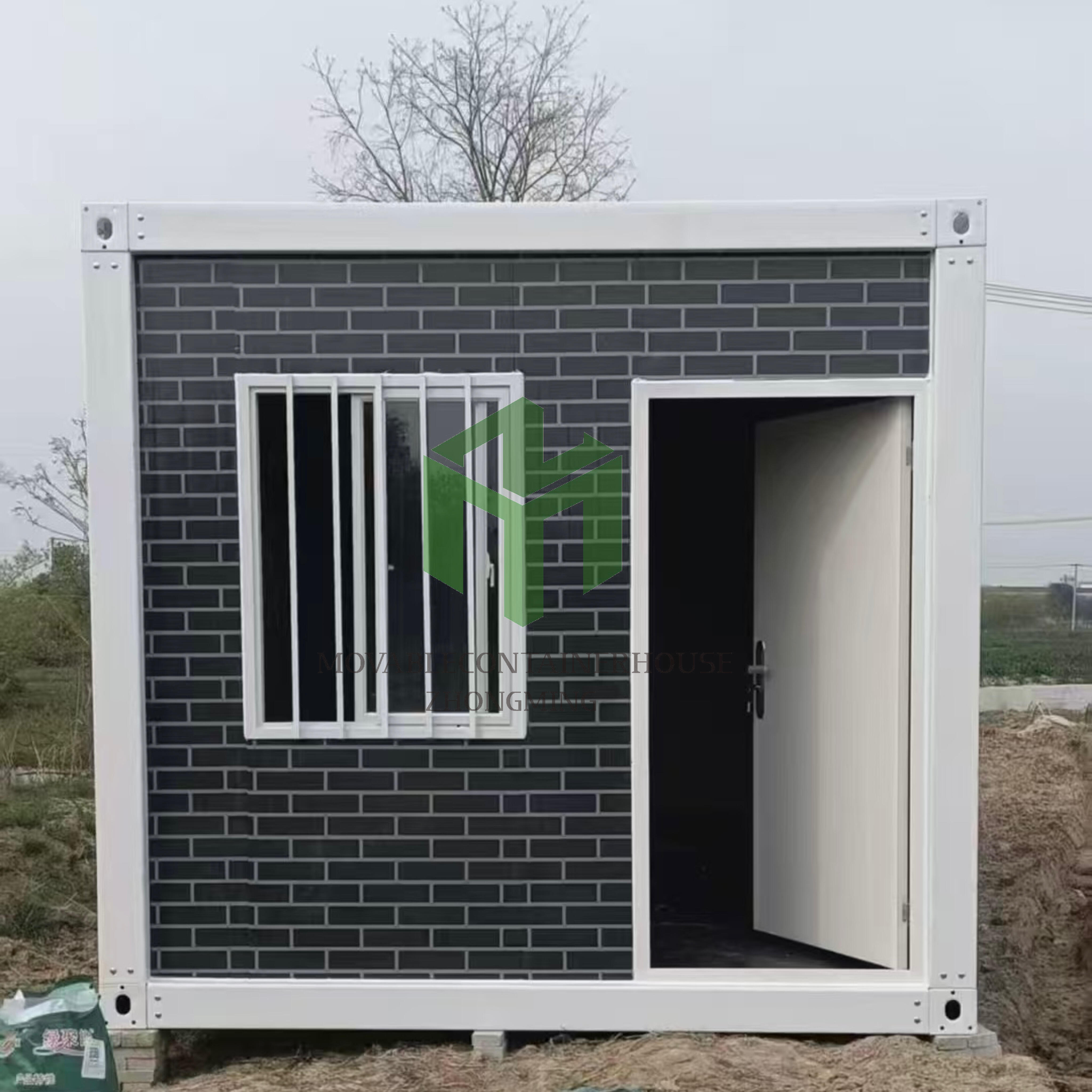
Emergency situations demand rapid response solutions, and finding suitable temporary housing for displaced populations remains one of the most critical challenges during natural disasters, humanitarian crises, and emergency relief operations. Traditional construction methods prove inadequate when time is of the essence, leading relief organizations and government agencies to seek innovative alternatives. The mobile container house has emerged as a revolutionary solution that addresses the urgent need for immediate, safe, and functional emergency housing while offering unprecedented flexibility in deployment and configuration.

The concept of utilizing shipping containers for emergency housing has transformed the landscape of disaster response and humanitarian aid. These structures represent a perfect convergence of durability, mobility, and rapid deployment capabilities that traditional emergency shelters cannot match. Unlike conventional temporary housing solutions that require extensive on-site construction, a mobile container house arrives pre-fabricated and ready for immediate occupancy, dramatically reducing the time between disaster occurrence and housing availability.
Modern emergency response strategies increasingly rely on solutions that can be deployed swiftly while maintaining high standards of safety and comfort for displaced individuals and families. The mobile container house technology has evolved significantly from basic shelter concepts to sophisticated living spaces equipped with essential amenities, making them particularly suitable for extended emergency housing scenarios where occupants may need accommodation for weeks or months rather than days.
Rapid Deployment Advantages
Transportation and Logistics Benefits
The transportation efficiency of a mobile container house represents one of its most significant advantages in emergency situations. Standard shipping containers are designed to integrate seamlessly with existing global logistics infrastructure, enabling rapid movement via truck, rail, or ship to virtually any accessible location worldwide. This compatibility with established transportation networks eliminates the need for specialized hauling equipment or complex logistics coordination that often delays traditional emergency housing deployment.
Emergency response teams can pre-position multiple mobile container house units in strategic locations, creating regional stockpiles that enable immediate response to disasters within specific geographical areas. This proactive approach significantly reduces response time compared to manufacturing or assembling emergency housing after a disaster occurs. The standardized dimensions of container-based housing also facilitate efficient shipping calculations and cargo optimization, allowing relief organizations to maximize the number of housing units transported per shipment.
The modular nature of mobile container house systems enables scalable deployment based on the magnitude of emergency situations. Small-scale incidents may require only a few units, while large disasters can be addressed by deploying dozens or hundreds of units simultaneously. This scalability ensures that response efforts can be proportionate to actual needs while maintaining cost-effectiveness and resource efficiency.
Setup Speed and Operational Readiness
Time-critical emergency situations demand housing solutions that can become operational within hours rather than days or weeks. A properly designed mobile container house can be fully operational within 30 minutes to 2 hours of arrival at the deployment site, depending on utility connections and site preparation requirements. This rapid setup capability stems from the pre-fabricated nature of container housing, which arrives with electrical systems, plumbing rough-ins, insulation, and interior finishes already installed.
The setup process typically involves basic site preparation, positioning the container unit using standard construction equipment, and connecting utilities if available. Many mobile container house designs incorporate self-contained systems for power generation, water storage, and waste management, enabling completely autonomous operation in areas where infrastructure has been damaged or is unavailable. This independence from local utilities makes container housing particularly valuable in disaster zones where traditional infrastructure may be compromised for extended periods.
Site preparation requirements for mobile container house deployment are minimal compared to traditional construction projects. The structural integrity of container units eliminates the need for extensive foundation work, and many designs can be deployed on relatively uneven terrain with simple leveling adjustments. This flexibility proves crucial in emergency situations where ideal construction sites may not be available and housing must be established in sub-optimal locations.
Structural Integrity and Safety Features
Weather Resistance and Durability
The inherent strength of shipping container construction provides exceptional protection against extreme weather conditions commonly encountered during emergency situations. Steel construction with reinforced corner castings and corrugated wall panels creates a structure capable of withstanding high winds, heavy rain, snow loads, and even seismic activity. This durability ensures that a mobile container house can provide reliable shelter even in challenging environmental conditions that might compromise other temporary housing solutions.
Modern container house modifications incorporate additional weatherproofing measures including specialized sealants, weather stripping, and protective coatings that enhance the natural weather resistance of shipping containers. Proper insulation systems prevent condensation issues while maintaining comfortable interior temperatures across a wide range of external conditions. These enhancements ensure that occupants remain safe and comfortable regardless of weather conditions during extended emergency housing situations.
The corrosion-resistant properties of properly maintained shipping containers contribute to long-term durability even in harsh environmental conditions. Coastal deployments, high-humidity environments, and areas with significant temperature fluctuations pose challenges for many temporary housing solutions, but a well-designed mobile container house maintains structural integrity and habitability under these demanding conditions.
Fire Safety and Security Considerations
Fire safety represents a critical concern in emergency housing situations, where occupants may be using portable heating devices, cooking equipment, and temporary electrical connections. Mobile container house designs incorporate multiple fire safety features including fire-resistant materials, proper ventilation systems, and strategic placement of exits to ensure occupant safety. Steel construction provides inherent fire resistance compared to wood-frame temporary structures, and proper insulation materials further enhance fire safety characteristics.
Security concerns in emergency housing situations often involve protecting displaced populations from theft, assault, and unauthorized entry. The robust construction of a mobile container house provides superior security compared to tents or lightweight temporary structures. Reinforced doors, secure window systems, and the ability to add additional security measures make container housing particularly suitable for situations where personal safety and security are primary concerns.
Emergency lighting systems, smoke detection capabilities, and clear evacuation procedures can be integrated into mobile container house designs to ensure occupant safety during nighttime hours and emergency situations. These safety features provide peace of mind for both occupants and relief organization personnel responsible for emergency housing operations.
Cost-Effectiveness and Resource Efficiency
Initial Investment and Long-Term Value
The economics of emergency housing deployment favor solutions that provide maximum value per dollar invested while maintaining operational flexibility for multiple deployment scenarios. A mobile container house represents significant cost advantages compared to constructing temporary buildings or providing long-term hotel accommodations for displaced populations. The initial investment in container housing units can be amortized across multiple emergency deployments, creating long-term value for relief organizations and government agencies.
Comparative cost analysis demonstrates that mobile container house solutions become increasingly cost-effective as deployment duration extends beyond several weeks. While tents and basic shelters may have lower initial costs, the superior durability, comfort, and functionality of container housing justify the investment for medium to long-term emergency housing needs. The ability to relocate and redeploy container units for different emergencies further enhances their economic value proposition.
Maintenance costs for properly constructed mobile container house units remain relatively low due to the durable nature of steel construction and quality building materials. Regular maintenance requirements typically involve basic cleaning, minor repairs, and periodic inspection of mechanical systems rather than major structural work. This low maintenance profile reduces ongoing operational costs and ensures that emergency housing resources remain available for deployment when needed.
Resource Optimization and Sustainability
Environmental sustainability considerations increasingly influence emergency response planning, driving demand for housing solutions that minimize environmental impact while providing necessary functionality. The repurposing of shipping containers for emergency housing represents an excellent example of sustainable resource utilization, giving new life to containers that might otherwise be scrapped or underutilized.
Energy efficiency features incorporated into modern mobile container house designs reduce operational costs and environmental impact during deployment. LED lighting systems, efficient HVAC equipment, and superior insulation minimize energy consumption while maintaining comfortable living conditions. Solar power integration capabilities enable completely off-grid operation, reducing dependence on fuel-powered generators and minimizing the environmental footprint of emergency housing operations.
The reusable nature of mobile container house units supports circular economy principles by maximizing the utility extracted from construction materials and manufacturing investments. Units can be reconfigured, upgraded, and redeployed multiple times throughout their service life, creating exceptional resource efficiency compared to single-use emergency housing solutions.
Customization and Adaptability Options
Interior Configuration Flexibility
The standardized exterior dimensions of shipping containers provide a consistent framework for developing diverse interior configurations tailored to specific emergency housing needs. A mobile container house can be configured as single-family units, multi-bedroom accommodations, dormitory-style housing, or specialized facilities such as medical stations or administrative offices. This flexibility enables emergency response teams to deploy appropriate housing configurations based on the demographic characteristics and specific needs of displaced populations.
Modular interior systems allow rapid reconfiguration of mobile container house units to accommodate changing requirements during extended emergency housing operations. Removable partitions, convertible furniture, and flexible storage solutions enable the same physical unit to serve different functions or accommodate different family sizes as circumstances evolve. This adaptability proves particularly valuable in fluid emergency situations where housing needs may change as the crisis develops.
Accessibility features can be integrated into mobile container house designs to accommodate elderly occupants, individuals with disabilities, and families with special needs. Wheelchair accessibility, modified bathroom facilities, and specialized equipment mounting points ensure that emergency housing solutions can serve diverse populations with varying physical requirements and mobility limitations.
System Integration and Technology Features
Modern emergency housing requirements often include technology infrastructure to support communication, information access, and coordination with relief organizations. Mobile container house units can be equipped with internet connectivity, charging stations for personal devices, and communication equipment to keep displaced populations connected with family members and support services. These technology features prove particularly important for maintaining morale and facilitating recovery planning during extended displacement periods.
Climate control systems tailored to specific deployment regions ensure occupant comfort across diverse geographical and seasonal conditions. HVAC equipment, ventilation systems, and humidity control capabilities can be customized based on expected deployment locations and climate conditions. This customization ensures that a mobile container house provides comfortable living conditions whether deployed in hot, humid coastal areas or cold, dry mountain regions.
Utility integration options enable mobile container house units to connect to available infrastructure when present while maintaining autonomous operation capabilities when necessary. Flexible electrical, plumbing, and communication connections allow units to take advantage of restored infrastructure services as they become available while providing independent operation during initial deployment phases.
Deployment Case Studies and Applications
Natural Disaster Response Scenarios
Hurricane response operations demonstrate the effectiveness of mobile container house deployments in providing immediate housing for displaced populations. Following major hurricanes, traditional housing stock may be severely damaged or destroyed, creating urgent need for temporary housing that can withstand continued severe weather conditions. Container housing units deployed in post-hurricane scenarios have proven their ability to provide safe, comfortable accommodation while permanent housing repairs and reconstruction take place.
Earthquake response situations present unique challenges including damaged transportation infrastructure, compromised utility systems, and ongoing aftershock concerns. The structural integrity of mobile container house units provides reassurance to occupants concerned about building safety, while the mobility of container units enables deployment in areas where traditional construction would be impossible or unsafe. Multiple successful earthquake response deployments have validated the effectiveness of container housing in seismic zones.
Wildfire evacuations often require rapid establishment of temporary housing for large numbers of displaced residents from rural and suburban communities. The speed of mobile container house deployment enables emergency management agencies to establish substantial housing capacity quickly, providing evacuees with dignified accommodations during extended evacuation periods. The fire-resistant properties of steel construction provide additional peace of mind for occupants who have experienced fire-related trauma.
Humanitarian Relief Operations
Refugee camp applications showcase the versatility of mobile container house solutions in addressing large-scale humanitarian crises. Traditional refugee accommodations often involve tents or basic shelters that provide minimal protection and dignity for displaced populations. Container housing upgrades refugee accommodation standards significantly while maintaining the flexibility necessary for large-scale humanitarian operations.
Medical facility applications demonstrate the adaptability of mobile container house platforms for specialized emergency functions. Container units can be quickly configured as medical clinics, isolation facilities, or mobile hospitals to support emergency medical response in disaster zones. The clean, secure environment provided by container construction proves particularly valuable for medical applications where sanitation and patient safety are critical concerns.
International deployment scenarios highlight the logistical advantages of mobile container house solutions for global humanitarian operations. The standardized nature of shipping containers enables efficient international transport and deployment, allowing relief organizations to maintain strategic stockpiles of emergency housing that can be rapidly deployed to crisis locations worldwide.
FAQ
How quickly can a mobile container house be deployed and made operational
A mobile container house can typically be fully operational within 30 minutes to 2 hours of arrival at the deployment site, depending on site conditions and utility connections. The rapid deployment capability stems from pre-fabricated construction that includes electrical systems, plumbing, insulation, and interior finishes installed during manufacturing. Setup involves basic site preparation, positioning the unit, and connecting utilities if available, with many units capable of autonomous operation using self-contained power, water, and waste management systems.
What weather conditions can mobile container house units withstand during emergency deployments
Mobile container house units are engineered to withstand extreme weather conditions including high winds exceeding 100 mph, heavy snow loads, torrential rain, and temperature variations from -20°F to 120°F. The steel construction with reinforced corner castings and corrugated panels provides exceptional structural strength, while specialized weatherproofing, insulation, and protective coatings enhance durability. These units have successfully operated in hurricane zones, earthquake regions, desert climates, and arctic conditions while maintaining occupant safety and comfort.
How cost-effective are mobile container house solutions compared to other emergency housing options
Mobile container house solutions become increasingly cost-effective as deployment duration extends beyond several weeks, with break-even points typically occurring within 30-60 days compared to hotel accommodations or tent facilities. The initial investment can be amortized across multiple emergency deployments, and low maintenance requirements reduce ongoing operational costs. When factoring in durability, reusability, and the ability to provide dignified long-term housing, container solutions often prove more economical than constructing temporary buildings or maintaining tent cities for extended periods.
Can mobile container house units be customized for different family sizes and special needs
Mobile container house units offer extensive customization options including single-family configurations, multi-bedroom layouts, dormitory-style arrangements, and accessibility features for elderly or disabled occupants. Interior systems can be rapidly reconfigured using modular components, removable partitions, and convertible furniture to accommodate changing family sizes or special requirements. Units can be equipped with wheelchair accessibility, modified bathroom facilities, specialized medical equipment mounting points, and assistive technology to serve diverse populations with varying needs during emergency housing situations.
Table of Contents
- Rapid Deployment Advantages
- Structural Integrity and Safety Features
- Cost-Effectiveness and Resource Efficiency
- Customization and Adaptability Options
- Deployment Case Studies and Applications
-
FAQ
- How quickly can a mobile container house be deployed and made operational
- What weather conditions can mobile container house units withstand during emergency deployments
- How cost-effective are mobile container house solutions compared to other emergency housing options
- Can mobile container house units be customized for different family sizes and special needs