
 EN
EN

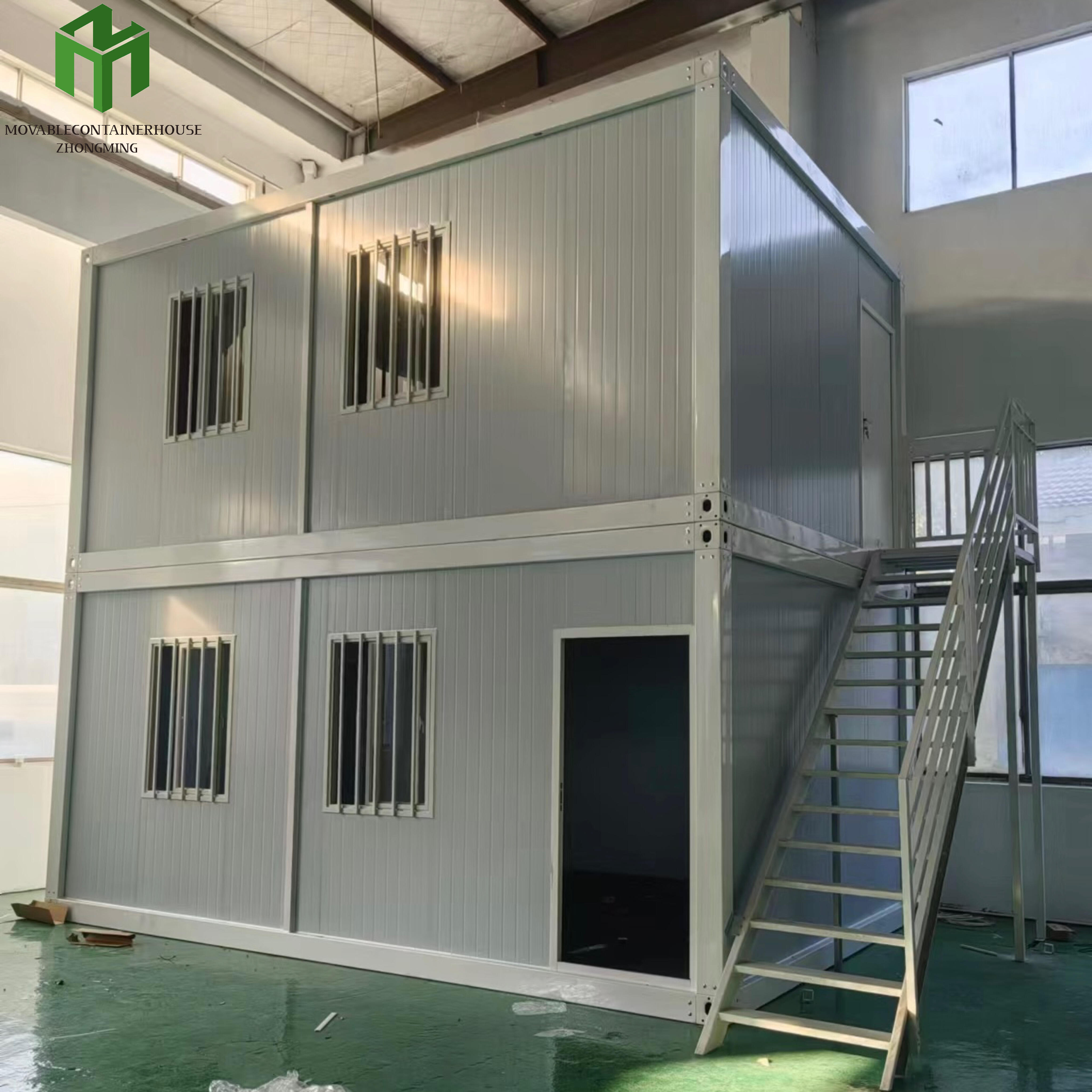
Contemporary architecture is experiencing a revolutionary shift toward sustainable and cost-effective building solutions, with prefab container houses emerging as a dominant force in modern construction. These innovative dwellings combine industrial aesthetics with residential comfort, offering homeowners and developers an environmentally conscious alternative to traditional construction methods. The growing popularity of prefab container houses stems from their versatility, reduced construction timelines, and ability to adapt to various design preferences while maintaining structural integrity and energy efficiency.

Minimalist Aesthetic Integration
Clean Lines and Open Floor Plans
Modern prefab container houses embrace minimalist design principles through clean geometric lines and uncluttered interior spaces. Architects are maximizing the inherent rectangular structure of shipping containers to create flowing, open-concept living areas that eliminate unnecessary walls and partitions. This approach allows natural light to penetrate deeper into the living space while creating a sense of spaciousness that transcends the container's original dimensions. The emphasis on simplicity extends to material choices, with designers favoring neutral color palettes and natural textures that complement the industrial foundation.
Contemporary prefab container houses often feature floor-to-ceiling windows and sliding glass doors that blur the boundaries between indoor and outdoor living. These expansive glazing systems not only enhance the minimalist aesthetic but also improve energy efficiency through passive solar heating and natural ventilation. The strategic placement of openings creates visual connections with surrounding landscapes while maintaining privacy and security. Interior designers are incorporating built-in storage solutions and multi-functional furniture to maintain the clean, uncluttered appearance that defines modern minimalist living.
Material Harmony and Texture Balance
The integration of complementary materials plays a crucial role in contemporary prefab container houses design trends. Architects are skillfully combining the raw steel structure of containers with warm wood cladding, natural stone accents, and smooth concrete surfaces to create visual interest and tactile variety. This material juxtaposition softens the industrial character while maintaining the authentic container aesthetic that appeals to modern homeowners. The careful selection of finishes ensures durability and weather resistance while contributing to the overall design coherence.
Texture variation within prefab container houses extends beyond exterior cladding to interior finishes, where designers are incorporating exposed brick walls, polished concrete floors, and reclaimed wood elements. These natural materials create warmth and character while complementing the container's industrial heritage. The trend toward material authenticity means avoiding synthetic finishes in favor of genuine materials that age gracefully and develop patina over time, adding to the structure's long-term aesthetic appeal.
Smart Technology Integration
Home Automation Systems
Modern prefab container houses are increasingly incorporating sophisticated smart home technology that enhances comfort, security, and energy efficiency. Integrated automation systems allow residents to control lighting, climate, security, and entertainment systems through centralized digital interfaces or smartphone applications. These technological solutions are particularly well-suited to container-based construction due to the pre-engineered nature of the structures, which allows for easier integration of wiring and control systems during the manufacturing process.
The compact nature of prefab container houses makes them ideal candidates for comprehensive smart technology implementation without the complexity and expense associated with larger traditional homes. Automated climate control systems can optimize energy consumption by monitoring occupancy patterns and adjusting heating and cooling accordingly. Smart security systems provide remote monitoring capabilities and automated emergency responses, while integrated entertainment systems can transform the limited space into immersive environments for relaxation and socializing.
Energy Management and Monitoring
Advanced energy management systems are becoming standard features in contemporary prefab container houses, allowing residents to monitor and optimize their energy consumption in real-time. These systems integrate with solar panels, battery storage, and grid connections to provide comprehensive energy independence and cost management. Smart meters and monitoring applications provide detailed insights into energy usage patterns, enabling residents to make informed decisions about their consumption habits and identify opportunities for additional efficiency improvements.
The integration of renewable energy systems with intelligent monitoring creates opportunities for prefab container houses to achieve net-zero or even net-positive energy performance. Battery management systems can store excess solar energy for use during peak demand periods or power outages, while smart inverters optimize the conversion and distribution of renewable energy throughout the home. These technological advances make container-based housing increasingly attractive to environmentally conscious consumers seeking energy independence and reduced utility costs.
Sustainable Material Innovation
Recycled and Upcycled Components
The sustainable construction movement has significantly influenced modern prefab container houses design, with architects and manufacturers prioritizing recycled and upcycled materials throughout the building process. Beyond the obvious environmental benefit of repurposing shipping containers, designers are incorporating reclaimed wood, recycled steel, and salvaged architectural elements to create unique and environmentally responsible living spaces. This approach reduces construction waste while adding character and historical significance to contemporary container homes.
Innovative prefab container houses projects are showcasing creative applications of industrial waste materials, including recycled glass countertops, reclaimed brick features, and repurposed metal fixtures. These materials not only reduce environmental impact but also contribute to the authentic industrial aesthetic that defines container architecture. The use of locally sourced recycled materials can significantly reduce transportation costs and environmental impact while supporting regional sustainability initiatives and circular economy principles.
Bio-Based and Low-Impact Materials
Contemporary prefab container houses are increasingly incorporating bio-based materials and low-impact alternatives to traditional construction products. Bamboo flooring, hemp insulation, and cork wall coverings are gaining popularity due to their renewable nature and superior performance characteristics. These materials offer excellent thermal and acoustic properties while maintaining the aesthetic appeal that modern homeowners expect from container-based construction.
The integration of bio-based materials in prefab container houses extends to structural components, with engineered lumber products and bio-composite panels providing sustainable alternatives to traditional framing materials. These innovations allow designers to maintain structural integrity while reducing the carbon footprint of the construction process. The trend toward low-impact materials also includes non-toxic finishes and adhesives that improve indoor air quality and create healthier living environments for occupants.
Modular Flexibility and Expansion
Scalable Design Solutions
Modern prefab container houses are designed with inherent flexibility that allows for future expansion and reconfiguration based on changing needs and circumstances. Modular design principles enable homeowners to add additional container modules, create multi-level structures, or reconfigure interior layouts without major structural modifications. This adaptability makes container housing particularly appealing to growing families, remote workers, and individuals seeking investment properties with flexible usage options.
The standardized dimensions of shipping containers create natural compatibility for expansion projects, with architects developing connection systems and structural solutions that seamlessly integrate additional modules. These expandable prefab container houses can evolve from single-unit starter homes to complex multi-container compounds that accommodate changing lifestyle requirements. The modular approach also enables phased construction, allowing property owners to spread construction costs over time while maintaining functional living spaces throughout the expansion process.
Multi-Functional Space Design
Contemporary prefab container houses maximize limited square footage through innovative multi-functional design strategies that transform spaces based on time of day and activity requirements. Convertible furniture systems, sliding partitions, and retractable elements allow single rooms to serve multiple purposes, from home offices during the day to entertainment spaces in the evening. This flexible approach to space utilization is essential for making container living comfortable and practical for modern lifestyles.
The trend toward multi-functional design in prefab container houses includes innovative storage solutions that integrate seamlessly with living spaces while maintaining the clean aesthetic that defines contemporary container architecture. Hidden storage compartments, built-in workstations, and transformable sleeping areas maximize functionality without cluttering the visual environment. These design solutions demonstrate that compact living can be both comfortable and stylish when properly planned and executed.
Outdoor Living Integration
Seamless Indoor-Outdoor Connections
Modern prefab container houses prioritize the integration of outdoor living spaces through thoughtful design strategies that extend the functional living area beyond the container's physical boundaries. Large sliding doors, fold-away window walls, and covered outdoor areas create seamless transitions between interior and exterior spaces. This design approach is particularly important for container homes, where maximizing the perceived living space enhances comfort and livability for occupants.
The emphasis on outdoor living in prefab container houses includes the development of integrated deck systems, rooftop gardens, and outdoor kitchens that complement the indoor living areas. These exterior spaces are designed with the same attention to detail and material quality as interior areas, ensuring cohesive design language throughout the property. Weather-resistant materials and proper drainage systems ensure that outdoor living areas remain functional and attractive throughout all seasons while requiring minimal maintenance.
Landscape Architecture and Site Integration
Contemporary prefab container houses increasingly emphasize thoughtful landscape design and site integration that enhances both the aesthetic appeal and environmental performance of the structure. Strategic placement of native vegetation, permeable paving systems, and water management features create harmonious relationships between the built and natural environments. This holistic approach to site design recognizes that container homes are most successful when they respond sensitively to local climate conditions and ecological systems.
The integration of sustainable landscape practices with prefab container houses includes rain gardens, green roofs, and food production areas that contribute to the overall sustainability goals of the project. These landscape elements can provide natural cooling, stormwater management, and food security while creating attractive outdoor environments for recreation and relaxation. The careful coordination of architecture and landscape design ensures that container homes contribute positively to their surrounding communities and natural environments.
FAQ
How do modern prefab container houses compare to traditional construction in terms of cost and timeline
Modern prefab container houses typically cost 20-50% less than equivalent traditional construction and can be completed in 2-6 months compared to 8-12 months for conventional homes. The controlled factory environment allows for precise construction management and eliminates weather-related delays, while bulk purchasing of materials reduces overall costs. However, site preparation, foundation work, and utility connections still require traditional construction timelines and may represent significant additional expenses depending on location and local building requirements.
What are the main design limitations when working with prefab container houses
The primary design limitations of prefab container houses include the fixed 8-foot width and standard length options of shipping containers, which can constrain room layouts and ceiling heights. Structural modifications requiring removal of container walls must be carefully engineered to maintain integrity, and the metal construction requires proper insulation and vapor barriers to prevent condensation issues. Additionally, local building codes may impose restrictions on container construction that limit design flexibility and require additional engineering or architectural modifications.
How do prefab container houses perform in different climate conditions
Prefab container houses can perform well in various climate conditions when properly designed with appropriate insulation, ventilation, and weatherproofing systems. In cold climates, continuous insulation and vapor barriers prevent thermal bridging and condensation, while in hot climates, reflective roofing and strategic ventilation manage heat gain. Coastal installations require additional corrosion protection, and areas with extreme weather may need reinforced foundations and structural modifications to meet local wind and seismic requirements.
What maintenance considerations are unique to prefab container houses
Maintenance of prefab container houses focuses primarily on preventing corrosion through regular inspection and treatment of the steel structure, particularly at connection points and areas where protective coatings may be damaged. Proper drainage around the foundation prevents moisture infiltration, while regular inspection of insulation systems ensures continued thermal performance. The modular nature of container construction can actually simplify some maintenance tasks, as individual systems and components are often more accessible than in traditional construction, though specialized knowledge of container-specific details may be required for major repairs.
Table of Contents
- Minimalist Aesthetic Integration
- Smart Technology Integration
- Sustainable Material Innovation
- Modular Flexibility and Expansion
- Outdoor Living Integration
-
FAQ
- How do modern prefab container houses compare to traditional construction in terms of cost and timeline
- What are the main design limitations when working with prefab container houses
- How do prefab container houses perform in different climate conditions
- What maintenance considerations are unique to prefab container houses